
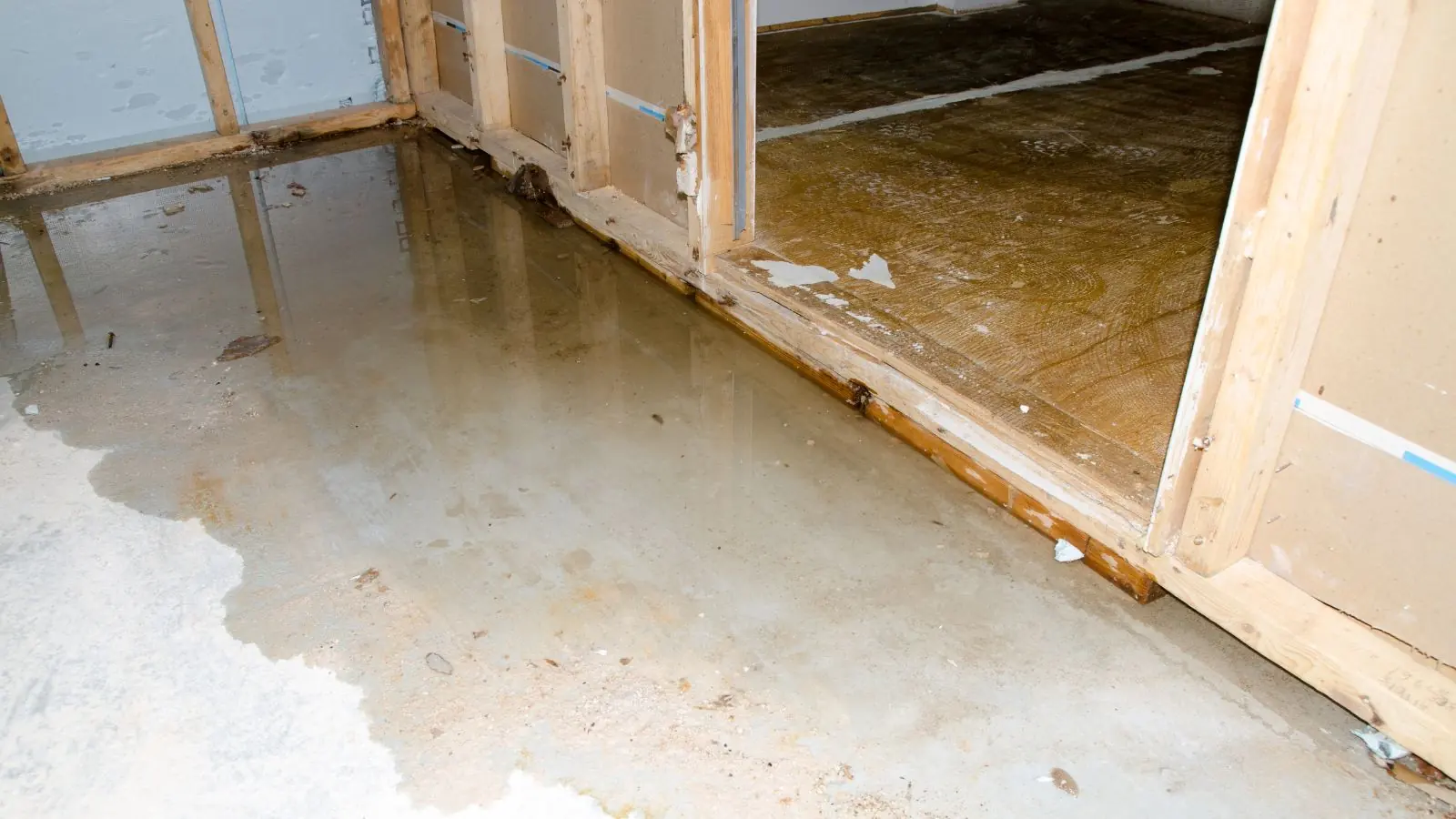
A wet basement is a whole-house problem
Basement water damage cleanup is the removal of standing water, wet materials and humidity from a lower level, along with the drying of its walls, slab and framing. In Libertyville, basements are the first place water shows up after a sump pump failure, heavy rain or a pipe break. Left alone, they push damp air through the entire house.
Call (847) 368-7353, tell us how deep the water is and whether the sump runs, and a crew is arranged.
How water gets into Libertyville basements
Basements take water from several directions. The Des Plaines River corridor sits within the village, and the National Weather Service recorded record crests on the river in 2013 and 2017. Libertyville High School lost class days in 2013 when a subbasement flooded. Homes in neighborhoods the Village studied for storm sewer limits, such as the Highlands, can also see rain water enter.
Sump failure
Power loss, a stuck float or an overwhelmed pump lets groundwater rise.
Foundation seepage
Cracks and floor joints let in groundwater during long wet spells.
Sewer backup
Heavy rain can send water up floor drains. See sewage backup cleanup.
Interior plumbing
Water heaters, washers and burst pipes flood from inside.
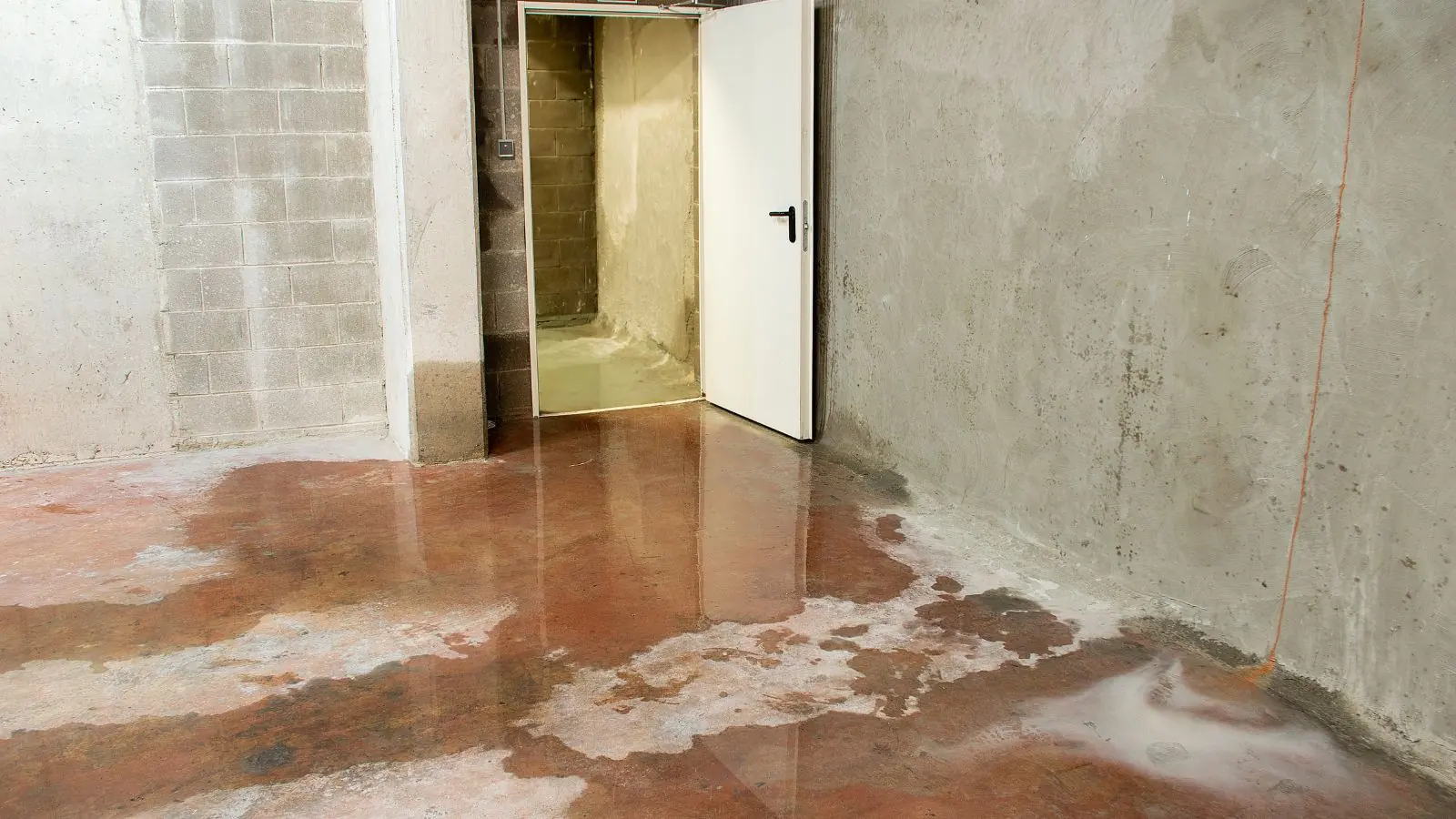
Signs of basement trouble
- Water at the base of walls after rain.
- Efflorescence, a white powder, on concrete or block.
- Musty smell and condensation on pipes.
- Warped paneling or peeling paint on lower walls.
- Carpet that stays damp or smells.
- Rust at the bottom of the furnace or water heater.
Basement recovery steps
Pump and extract
Submersible pumps and extractors remove water in stages so the walls are not stressed.
Remove soaked materials
Carpet, pad, drywall and insulation that cannot dry are removed.
Clean and sanitize
Walls and slab are cleaned. Antimicrobials are used where water was contaminated.
Dry
Dehumidifiers and air movers run until concrete and framing reach goal readings.
Protect against the next storm
We advise on sump backup, drainage and sealing, performed by qualified trades.
Finished versus unfinished basements
| Basement type | Priority | Typical outcome |
|---|---|---|
| Unfinished. | Remove water, dry slab. | Often returns to service fast. |
| Carpeted finished. | Extract and test the pad. | Pad often replaced. |
| Drywalled walls. | Check the wall bottoms. | Lower 2 feet often cut out. |
| Walkout or garden level. | Check window wells. | More wall area at risk. |
See structural drying for how we prove the slab is dry.
What affects basement cleanup price
- Water depth and cause.
- Finished area and materials.
- Whether the water is contaminated.
- Drying time for concrete.
- Contents to move or discard.
Insurance and basement claims
Standard policies may not cover groundwater or sewer backup. Sudden plumbing failures often are covered. Look for sump overflow and water backup endorsements, and consider flood insurance if you live near the river. We provide documentation to support your claim.
A sump pump check before the next storm
The sump pump is the quiet hero of most Libertyville basements, and it is easy to forget until the day it fails. Test it before a forecast of heavy rain, not after. Pour a bucket of water into the pit and watch the float rise, the pump start and the water discharge outside.
- Confirm the pit is clean and free of gravel or debris that can jam the float.
- Make sure the discharge pipe ends away from the foundation and is not frozen or clogged.
- Check that the pump is plugged into a working outlet and not shared with a freezer.
- Add a battery backup or a water-powered backup so an outage does not stop the pump.
- Replace pumps that are many years old before they fail.
A pump that runs constantly or never runs are both clues. Ask a plumber or waterproofing specialist to check it. We handle the water that already got in, and they handle the system that keeps it out.
What to do before help arrives
These steps apply to most wet-area losses. If you smell gas, see sparking or hear buzzing from wet outlets, leave the area and call emergency services first.
- Turn off power to wet circuits at the breaker only if the panel is dry and you can reach it safely.
- Stay out of rooms with standing water if outlets, cords or appliances are submerged.
- Stop the water source if you can do it safely, then move valuables up and out of the wet area.
- Take dated photos and video before anything is moved.
- Do not use a household vacuum on standing water or run fans through wet electrical cords.
- Keep children and pets out of the wet area until the crew gives guidance.
Questions we hear
Do you handle basement flooding emergencies at night or on weekends in Libertyville?
Call (847) 368-7353 and describe what is happening. The line tells you what response to expect for your address and conditions, including at night or on weekends.
Should I use a wet vacuum?
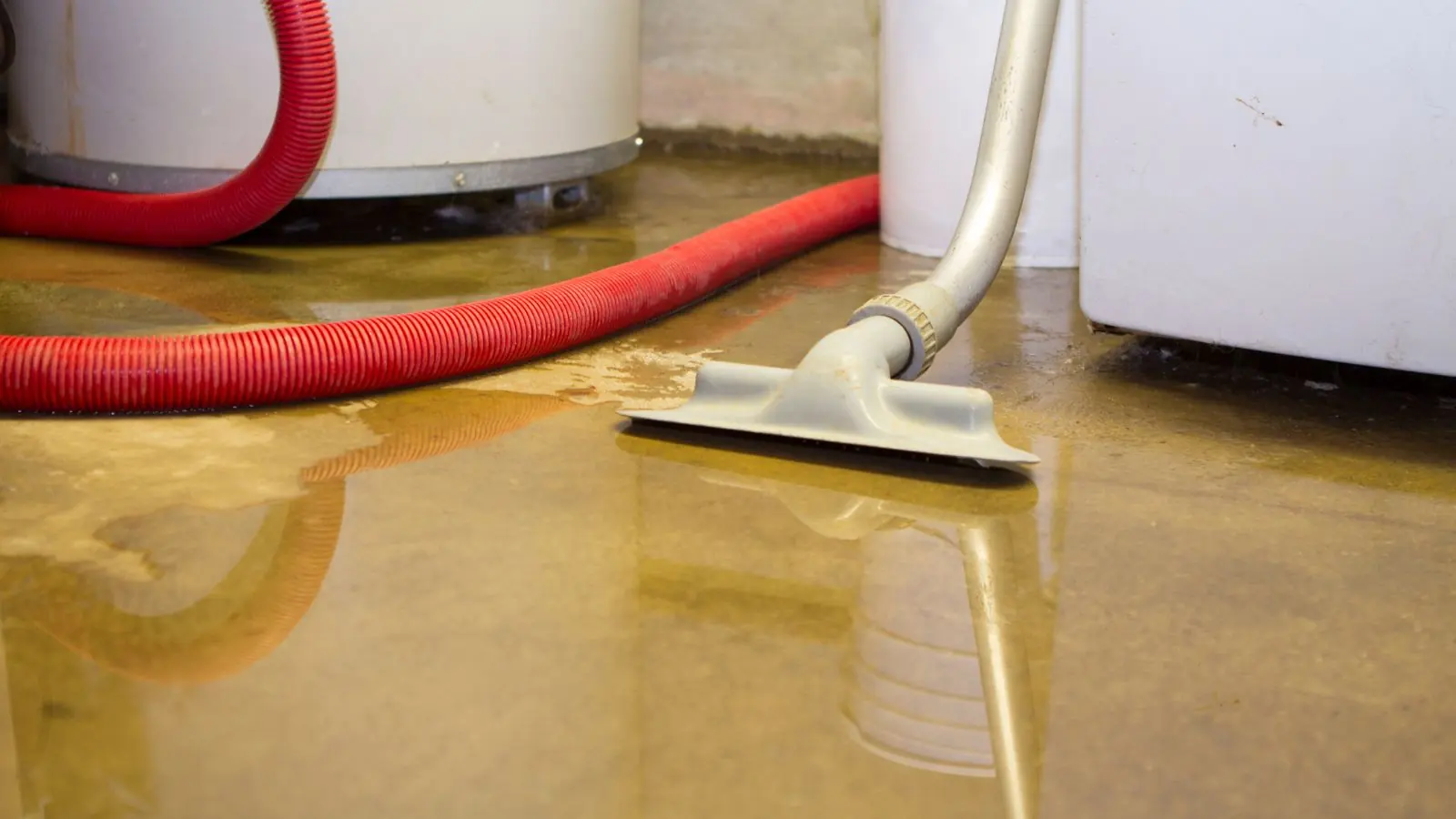
For a small clean spill, yes. For deep or spreading water, call. For sewage, avoid.
How long does a basement take to dry?
Three to seven days is common, longer for concrete. We follow readings.
Do I need to remove the drywall?
If it wicked water above the baseboard or has odor, yes. Otherwise it can sometimes be dried.
Can you fix the cause?
We dry and repair. Waterproofing, grading and sump work are done by other trades, and we can point you to the right specialist.
Will mold grow?
Mold can begin within days if materials stay wet. Fast drying lowers the risk.