
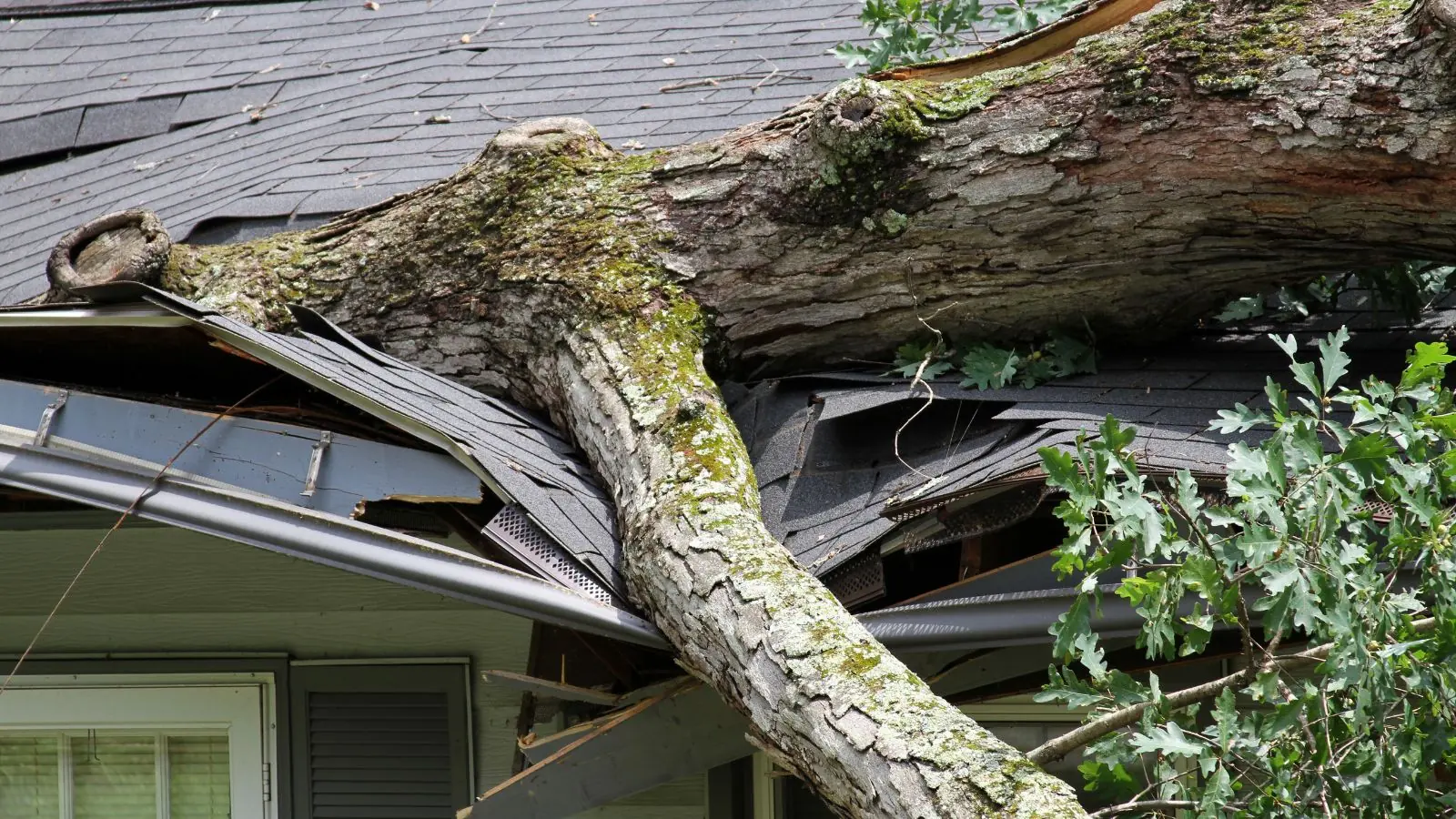
After the storm passes, the water keeps working
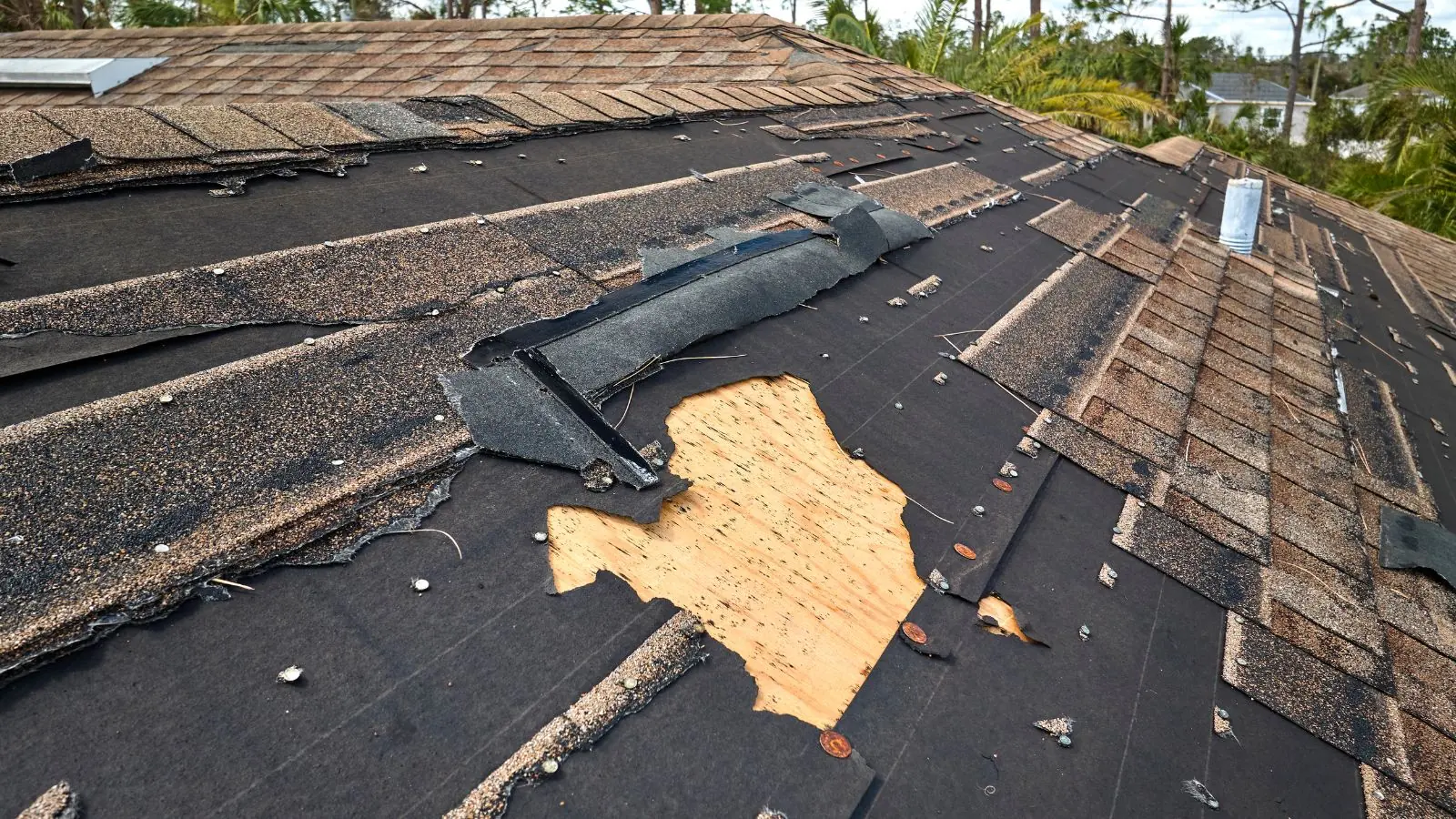
Storm water damage cleanup is the removal and drying of water brought by wind-driven rain, hail, roof damage, window failure and overwhelmed drainage. In Lake County, heavy storms can strip shingles, push rain under flashing and overload sump pumps in a single night. Emergency response reduces the secondary damage that follows.
Call (847) 368-7353, and if the roof is damaged, call a roofer for a tarp as well. We coordinate.
How storms get water into a Libertyville house
Roof and flashing
Wind lifts shingles and rain follows the opening into the attic and ceiling.
Windows and doors
Wind-driven rain overcomes seals and soaks sills, trim and floors.
Sump overflow
Power outages stop the pump just when groundwater rises. See basement water damage.
Surface drainage
Overloaded storm drains push water toward foundation walls and window wells.
River floods are a different event. Our flood damage page covers rising water.
Safety before cleanup
- Stay away from downed power lines and wet panels.
- Do not use ceiling fixtures under a wet ceiling.
- Wear boots and gloves if storm water entered at floor level.
- Look for hail or wind damage to gutters and flashing from the ground.
- Photograph everything before touching it.
Storm response, in order
Protect the structure
Tarping and board-up are done by roofers or carpenters. We coordinate so the interior can start drying.
Extract
We remove standing water and drain ceiling bulges.
Remove saturated insulation
Wet attic insulation is bagged so the ceiling can dry.
Dry
Dehumidifiers and air movers dry framing and floors.
Document
You receive photos, moisture logs and a written scope.
Typical storm damage outcomes
| Damage | Our action | Outside our scope |
|---|---|---|
| Wet attic insulation. | Remove and dry cavity. | Roof repair. |
| Ceiling drip. | Drain, dry, scope repair. | Shingle replacement. |
| Window leak. | Dry sill and wall. | Window sealing. |
| Sump overflow. | Extract, dry basement. | Sump pump replacement. |
We work alongside roofers and plumbers. For ceilings, see ceiling water damage repair.
What drives storm cleanup cost
- Number of leak points and floors affected.
- Amount of wet insulation and drywall.
- Drying time.
- Emergency access and after-hours work.
- Coordination with roofing and plumbing trades.
Insurance and storm claims
Windstorm and hail damage is commonly covered under homeowners policies, while flood and groundwater are different. Document the storm date, photograph damage and keep temporary repair receipts. Your insurer decides coverage. We supply the interior moisture documentation.

Before the next storm arrives
A few small jobs reduce the damage a storm can do. None require a contractor.
- Clean gutters and extend downspouts several feet from the foundation.
- Check attic insulation and the ceiling below for old stains.
- Test the sump pump and keep a backup power source.
- Move valuables off basement floors.
- Clear window wells and check the covers.
- Photograph the exterior and roof so you have a baseline.
How we work with roofers, plumbers and electricians
Storm damage often needs several trades. A roofer stops the source, a plumber or waterproofing specialist addresses drainage, and an electrician checks wet circuits. We schedule the water removal and drying so it does not wait on the other trades, and we share moisture readings so they can see what we see.
Document the storm for a stronger claim
Storm claims depend on date and cause. Save a weather record or a news report showing the storm. Photograph the roof, gutters, windows and siding from the ground. Keep a log of when water entered and what you did. These records help the insurer link the damage to the event.
The standard behind the drying plan
Industry reference: the IICRC S500 standard is the published reference for professional water damage restoration. It defines water categories and drying classes, which is why a good scope names both and why moisture readings, not guesses, decide when drying is finished.
Questions we hear
Do you handle storm water emergencies at night or on weekends in Libertyville?
Call (847) 368-7353 and describe what is happening. The line tells you what response to expect for your address and conditions, including at night or on weekends.
Do you tarp roofs?
We coordinate with roofers for tarps. We handle the interior water removal and drying.
Is sump overflow covered by insurance?
Often not unless you have an endorsement. Ask your agent about water backup and sump overflow coverage.
How soon should I call?
As soon as it is safe. Attic insulation and ceilings start to fail within hours.
What should I photograph?
The source of water, ceilings, floors, damaged contents and the outside of the house.
Will storm leaks cause mold?
They can if materials stay damp for days. Drying quickly reduces the risk.