
What a burst pipe does to a house in the first hour
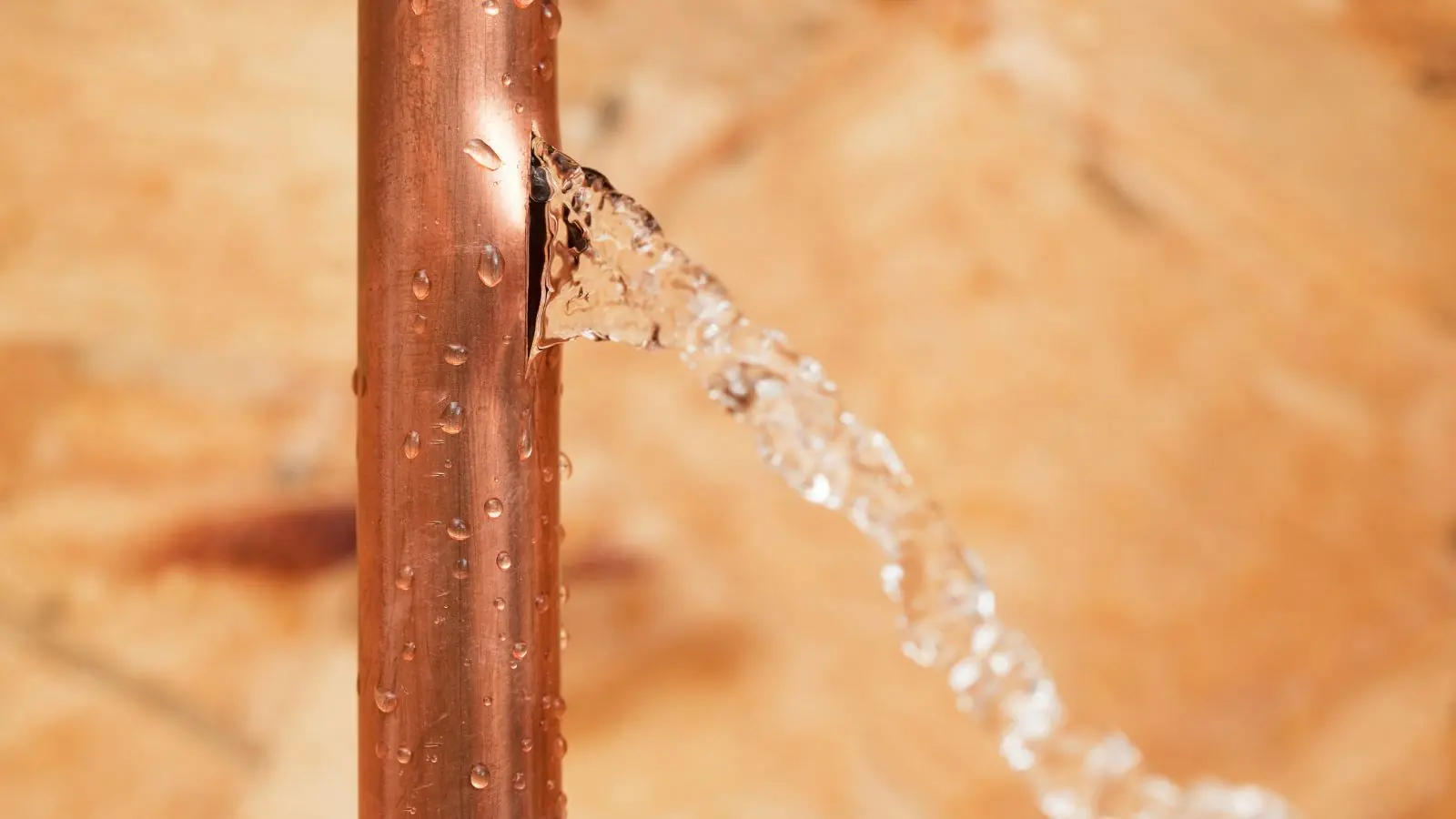
A burst pipe is a split or separated section of supply line that releases water under full household pressure. In a Libertyville home, that pressure pushes water through ceilings, down wall cavities and across finished floors long before anyone finds the valve. Emergency burst pipe cleanup means finding the water, removing it and drying what the water touched.
Call (847) 368-7353 as soon as the main valve is off. We ask which floor the pipe is on, whether the ceiling below is wet and whether any outlets or light fixtures got soaked, then send a crew with extraction and drying gear.
Where pipes fail in older and newer homes
Libertyville mixes older houses near downtown with subdivisions built across later decades. Copper that has aged, galvanized lines with pinhole corrosion and plastic fittings that were overtightened all fail in different ways. A pinhole can drip for weeks, while a split joint can release a flood.
Pressure matters too. Homes on Lake Michigan water supplied through the Central Lake County Joint Action Water Agency run at steady municipal pressure, so a failing fitting is more likely to release a steady stream than a trickle. Washers, water heaters and ice makers add fittings that deserve a look. See water heater leaks and appliance leaks for those cases.
Signs a pipe has failed behind a wall
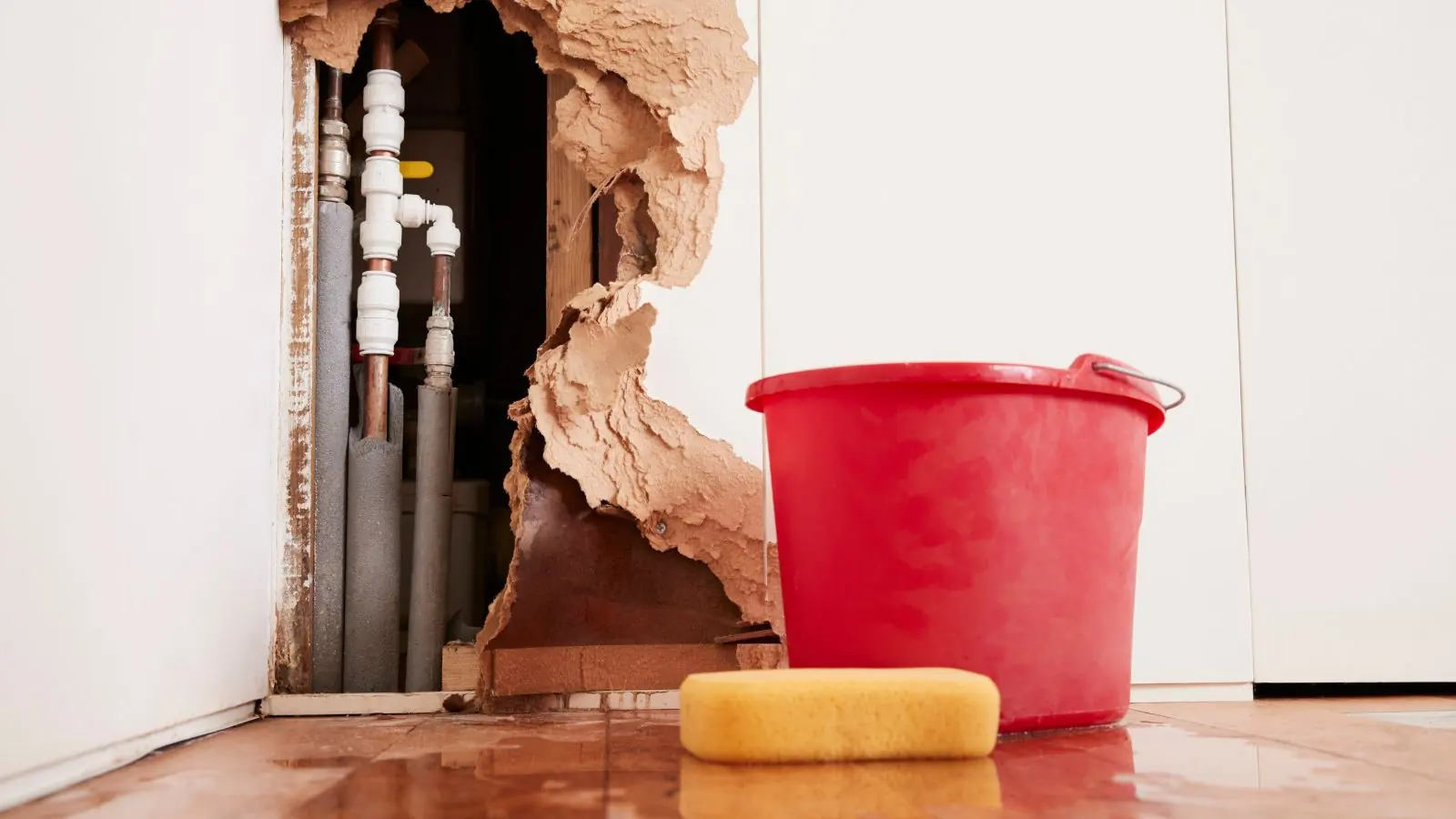
- Water stains that spread across a ceiling or wall without rain outside.
- Sound of running water when every fixture is off.
- A sudden spike or a steady climb on your water bill.
- Warm patches on a floor, which can signal a hot supply line leak.
- Bubbling paint or peeling wallpaper near plumbing walls.
- Low water pressure at upstairs fixtures.
Hidden leaks are the costly ones. Restoration crews use moisture meters and thermal imaging to follow the dampness to its edge instead of guessing. If the leak is under a slab, see slab leak water damage.
Our burst pipe response, step by step
Control and confirm
We walk you through the shutoff and ask a plumber or technician to confirm the line is isolated.
Remove the water
Extractors lift standing water. Wet carpet and pad are lifted where they cannot be saved.
Open what must open
Where water is trapped, we cut small access holes in drywall and baseboards so air can reach the cavity.
Dry with equipment
Air movers, LGR dehumidifiers and wall cavity drying systems run on a logged schedule.
Document and hand over
You receive photographs, moisture logs and a written repair scope.
We bring in your plumber or recommend one for the pipe repair itself. Restoration begins the moment the water is stopped, and does not wait for the plumbing invoice.
Clean-up choices after a pipe break
Not every wet material has to go. These are the usual trade-offs.
| Material | Often saved if | Often replaced if |
|---|---|---|
| Drywall. | Wet less than a day and still firm. | Sagging, stained through or wet for several days. |
| Carpet. | Extracted fast with clean water. | Pad is old or water was gray. |
| Hardwood. | Dried promptly with subfloor drying. | Cupped or buckled and not responding to drying. |
| Insulation. | Dry batts above the wet area. | Soaked and compressed in the cavity. |
| Cabinetry. | Solid wood with a dry back panel. | Particleboard that swelled. |
Our wall and drywall page covers the repair side in more detail.
What shapes the cost of burst pipe cleanup
- How long the pipe ran before the shutoff.
- How many floors the water traveled through.
- Materials that must be removed, such as ceiling drywall or insulation.
- Number of drying days and equipment pieces required.
- Whether plumbing repair, drywall and paint are included in the same scope.
We give you the scope in writing before work starts, and we explain which items are drying versus repair so you can compare it with your insurance estimate.
Burst pipes and your homeowners policy
Sudden and accidental pipe breaks are commonly covered by standard homeowners policies, while slow leaks and maintenance failures are often excluded. Your own policy decides. Report the loss quickly, keep the failed section of pipe if the plumber removes it, and hold on to receipts for emergency measures. We supply photographs, readings and the equipment log.
Questions we hear
Do you handle burst pipe emergencies at night or on weekends in Libertyville?
Call (847) 368-7353 and describe what is happening. The line tells you what response to expect for your address and conditions, including at night or on weekends.
What should I do first when a pipe bursts?
Close the main water shutoff, then open a low faucet to drain the line. Stay away from wet electrical items, lift valuables out of the water and photograph the damage before it is moved. Then call us.
Can burst pipe damage show up days later?
Yes. Water can stay inside wall cavities and under flooring. Staining, odor and warped trim may appear after the visible mess is cleaned, which is why we check with meters and thermal imaging.
Do I need a plumber before you start?
A plumber must repair the pipe, but we can begin extraction as soon as the water is shut off. Often both visits happen on the same day.
How long will drying take after a pipe break?
Many pipe breaks dry in three to five days with steady equipment. Hardwood, plaster and wet insulation can take longer, and we adjust the plan based on daily readings.
Will my ceiling need to be replaced?
Not always. A ceiling that is stained but firm may dry in place, while sagging or saturated drywall should come down. A restoration crew checks before deciding and shows you the readings.