
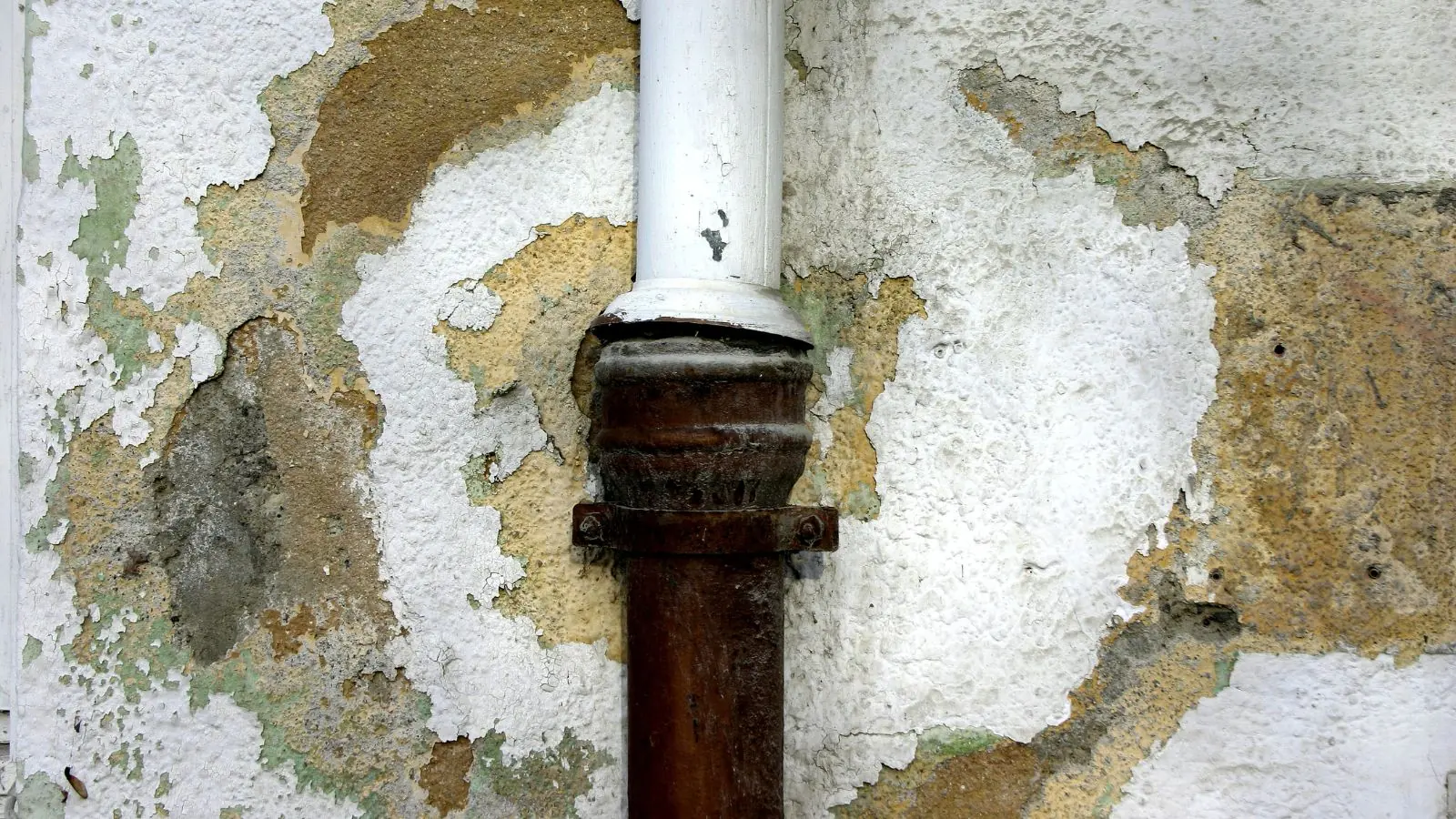
What water does inside a wall
Wall and drywall water damage repair is the drying and replacement of gypsum board, insulation and framing after a leak. Drywall wicks water upward like a candle wick, so a puddle at the baseboard can soak a wall to knee height. In Libertyville homes, the cause is often a pipe in the wall, a window leak or water from the floor above.
Call (847) 368-7353 when you see staining, bubbling or softness so we can check the cavity before the board fails.
Signs the wall is wet inside
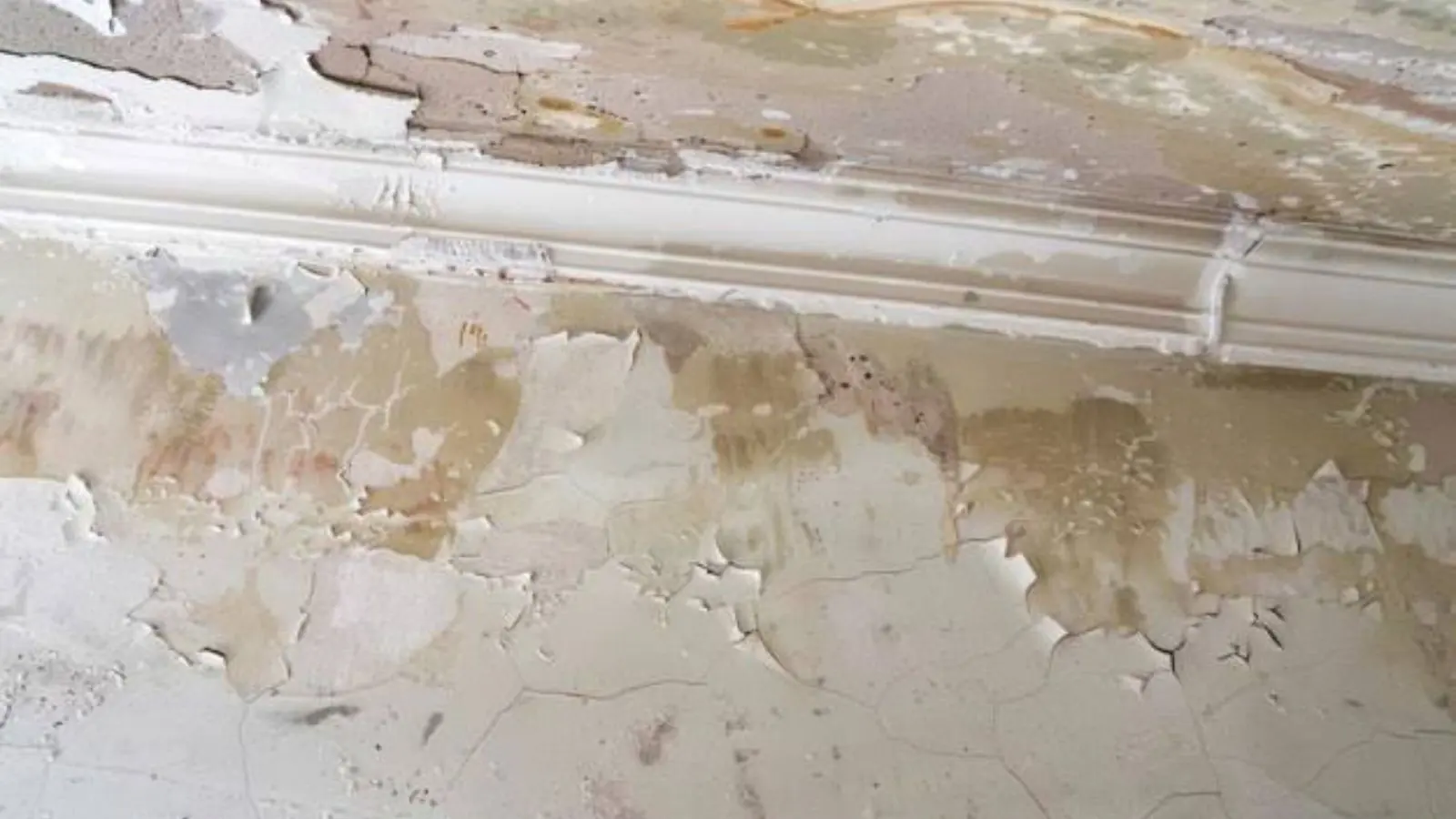
- Yellow or brown stains that spread.
- Paint bubbles or peeling tape at seams.
- Soft or crumbly drywall.
- Musty smell near an outlet or baseboard.
- Wall that feels cool and damp to the touch.
- Baseboard that separates from the wall.
Chasing the source matters. See burst pipe water damage for hidden supply leaks.
Cut it out or dry it in place
| Condition | Typical choice | Why |
|---|---|---|
| Firm, slightly stained. | Dry in place. | Cavity drying can work. |
| Soft or crumbling. | Cut out. | Gypsum loses strength. |
| Wet insulation behind. | Remove both. | Insulation holds water. |
| Contaminated water. | Cut out. | Cannot be sanitized. |
| Mold present. | Contain and remove. | See mold remediation. |
Mold on a wall is covered by our mold remediation page.
Our repair sequence
Map the wet area
Meters and thermal imaging find the edges of the damage.
Open the wall
Cut a clean line above the wet zone, usually 12 to 24 inches over the highest reading.
Dry the cavity
Warm dry air and dehumidification dry studs and plates.
Replace and finish
New board, tape, mud, primer and paint.
Check the match
Texture and paint blending finish the job.
Ceiling, wall and trim together
A wet wall often means a wet ceiling or baseboard. Restoration crews check all three so you do not repaint a dry spot beside a wet one. For overhead leaks, see ceiling water damage repair.
What affects the cost
- Linear feet of wall and height of the cut.
- Insulation replacement.
- Texture type.
- Paint matching.
- Trim and baseboard replacement.
Insurance and wall repair
Sudden leaks are often covered. Take photographs before cutting and keep a log of readings. We provide a written scope with each wall listed so the adjuster can see what is replaced.
Drywall, plaster and paneling are not the same job
| Wall type | Water response | Typical approach |
|---|---|---|
| Standard gypsum drywall. | Wicks water, softens and stains. | Cut out damaged section, dry the cavity, patch. |
| Moisture resistant board. | Slightly more tolerant. | Dry and test, replace if soft. |
| Plaster on lath. | Slow to absorb, slow to dry. | Dry in place when sound, repair cracks and bulges. |
| Wood paneling. | Back side hides moisture. | Remove panels to check the wall behind. |
| Tile backer board. | Depends on the material. | Test and replace if soft. |
Older Libertyville homes may have plaster, while newer ones use drywall. If you are not sure, a quick look at the edge of an outlet cover can tell us.
Matching texture and paint
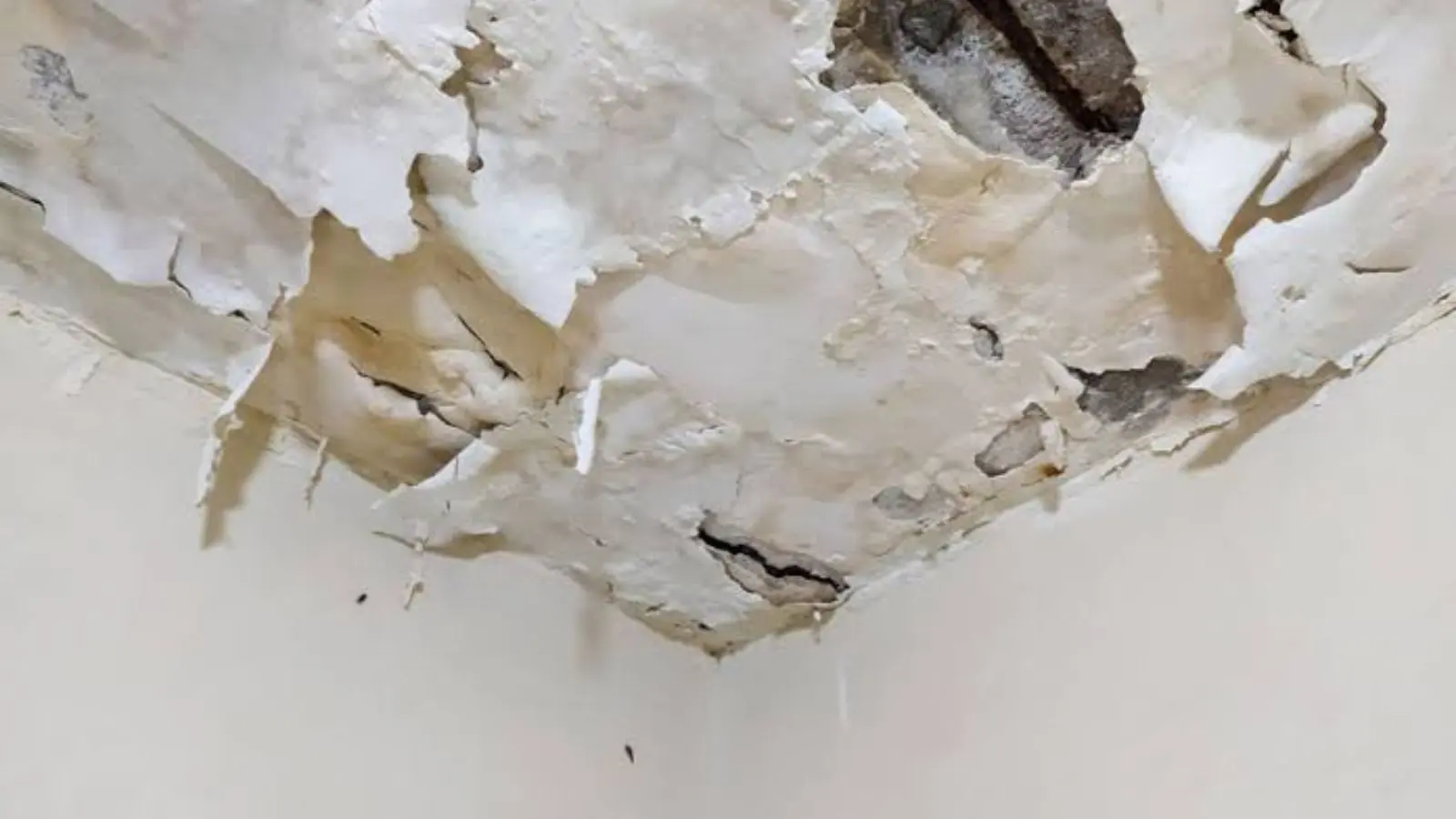
A repair only looks right when the texture and sheen match. Orange peel, knockdown and smooth finishes each need a different technique. Paint is trickier than texture because a new coat beside an old one can show a flash. Most painters repaint the whole wall or ceiling to hide the seam. We list that in the scope so you are not surprised.
When the wall is part of a larger loss
Walls are rarely the only damage. Wet baseboards, flooring and ceilings usually accompany them. See carpet water damage restoration and hardwood floor water damage repair for the floor side of the same job.
A note on lead paint and older finishes
Homes built before 1978 may have lead paint under newer coats. Cutting, sanding or demolishing painted surfaces can release dust. If your Libertyville home is that old, tell the crew before work starts so they can use proper containment and cleanup. We follow safe work practices and tell you if testing is advisable.
What to do before help arrives
These steps apply to most wet-area losses. If you smell gas, see sparking or hear buzzing from wet outlets, leave the area and call emergency services first.
- Turn off power to wet circuits at the breaker only if the panel is dry and you can reach it safely.
- Stay out of rooms with standing water if outlets, cords or appliances are submerged.
- Stop the water source if you can do it safely, then move valuables up and out of the wet area.
- Take dated photos and video before anything is moved.
- Do not use a household vacuum on standing water or run fans through wet electrical cords.
- Keep children and pets out of the wet area until the crew gives guidance.
Questions we hear
Can I just paint over a water stain?
No. Paint hides the clue and traps moisture. Check the cavity first.
How high does water travel in drywall?
Water can wick a foot or more above the wet line. We cut above the highest reading.
Does insulation have to go?
Wet fiberglass compresses and holds water, so it is usually replaced.
How long until the wall is repaired?
After drying is confirmed, patching, taping and paint usually take a few days.
Will the repair show?
Good blending hides it. Older textures and sheen differences can show, and we tell you in advance.
Is mold likely?
It can grow in a wet cavity. Early drying prevents it.