
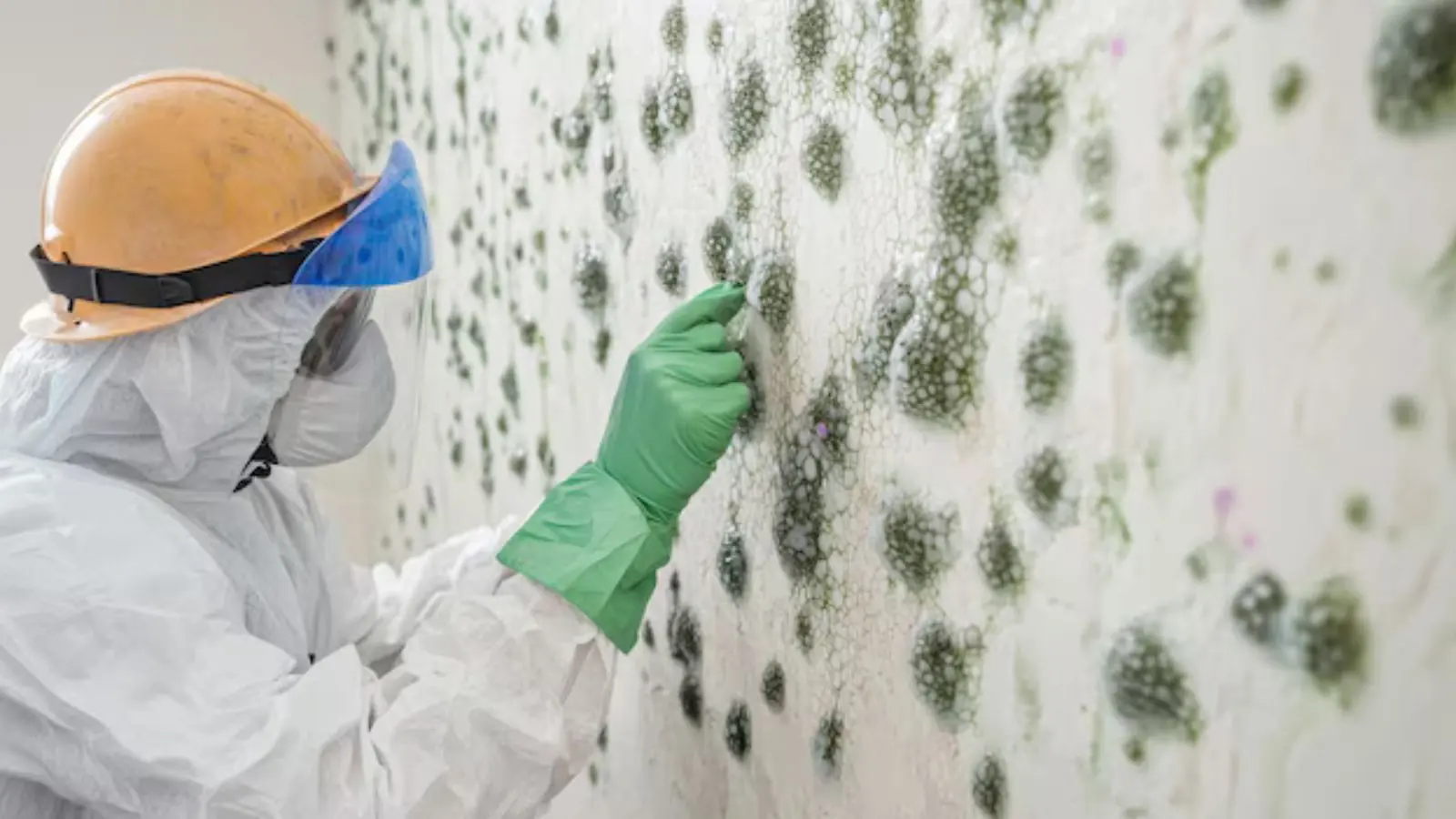
Fuzzy spots, a musty smell or black stains on a wall?
If you see dark spots on drywall, smell a damp basement odor or have a stained ceiling that keeps returning, mold may be growing where moisture lingers. The trade term for the fix is mold remediation. It means controlling the moisture, containing the area, removing contaminated materials and cleaning surfaces, then confirming the area is ready for repair.
What mold remediation involves
Mold remediation is a controlled process that removes mold-contaminated materials and cleans the space while preventing spread. It follows the logic of IICRC S520, the industry standard for mold remediation. The first step is always fixing the water problem, since mold returns wherever moisture stays.
If water is still present, start with water extraction and structural drying.
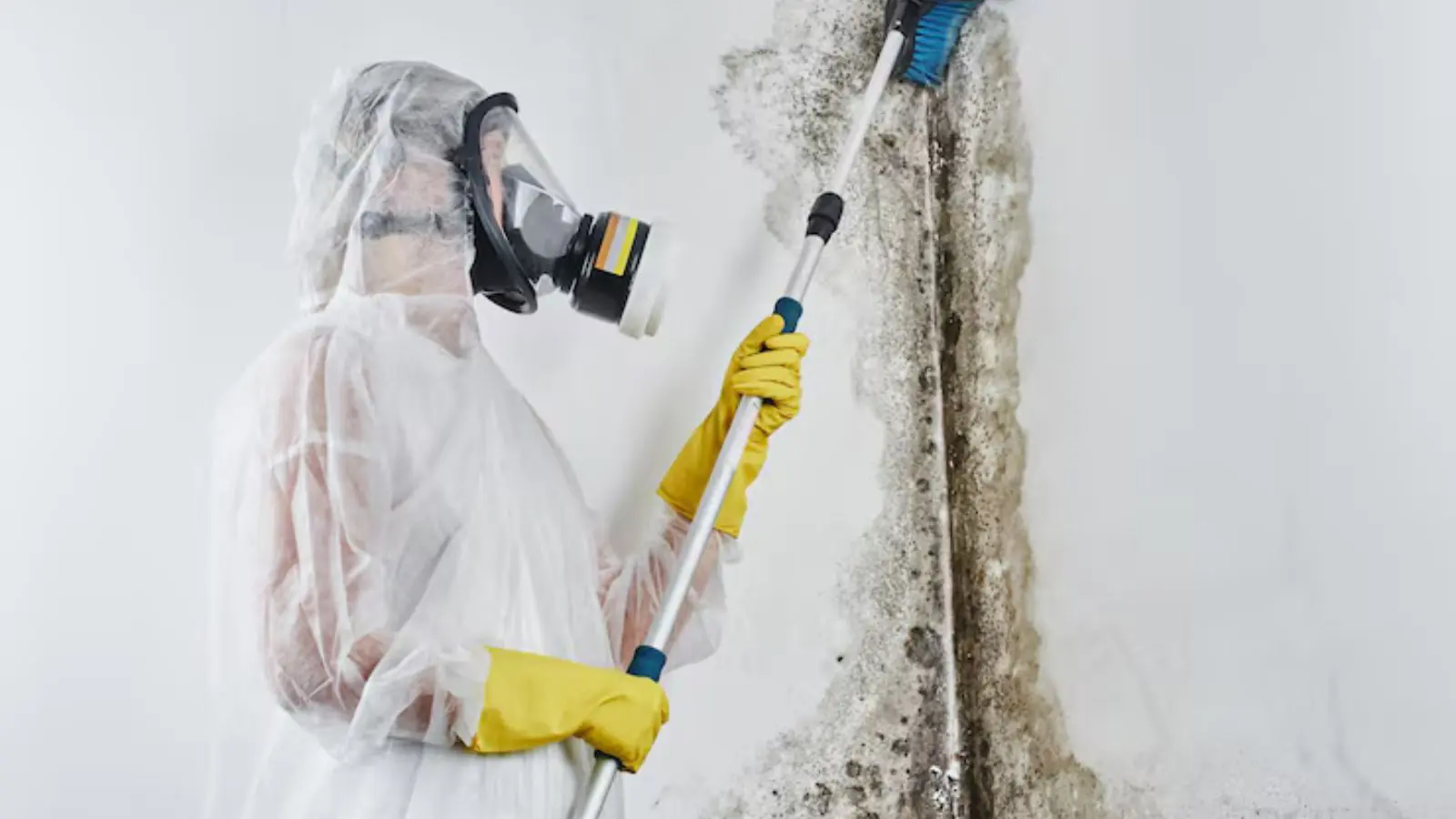
Where mold appears after a Libertyville leak
- Basement walls and cold corners.
- Behind kitchen cabinets and under sinks.
- Attic decking after a roof or ice dam leak.
- Closets against exterior walls.
- Crawl space joists and insulation.
- Ceilings below bathrooms.
We do not make health claims about mold. If you have health concerns, talk to your doctor. Our work focuses on the building and moisture.
The remediation process
Assess
We check moisture and visible growth, and identify the water source.
Contain
Plastic barriers and negative air keep spores from moving through the house.
Remove
Contaminated porous materials are cut out and bagged.
Clean
HEPA vacuums and damp wiping clean framing and surfaces.
Verify
We confirm moisture is normal, and you can request third-party clearance testing.
Clean, remove or both
| Material | Typical action | Reason |
|---|---|---|
| Drywall with growth. | Remove. | Porous and hard to clean. |
| Framing. | Clean and dry. | Solid wood can often be cleaned. |
| Insulation. | Remove. | Cannot be cleaned. |
| Concrete. | Clean and dry. | Non porous surface. |
| Carpet and pad. | Remove. | Holds moisture. |
See our wall and drywall page for rebuild decisions after removal.
State requirements in Illinois
Illinois enacted the Mold Remediation Registration Act as Public Act 103-0893. The Illinois Department of Public Health states that the registration requirements are not in effect until its pending rules are adopted, and that until then mold remediation professionals are not required to register. Check the IDPH website for the current status.
Cost drivers and insurance
- Area of growth and moisture involved.
- Containment and air filtration needs.
- Material removal and disposal.
- Clearance testing, if requested.
- Related rebuild work.
Mold coverage in homeowners policies is often limited and depends on the cause. Ask your agent, and keep records of the water event.
Containment, explained in plain language
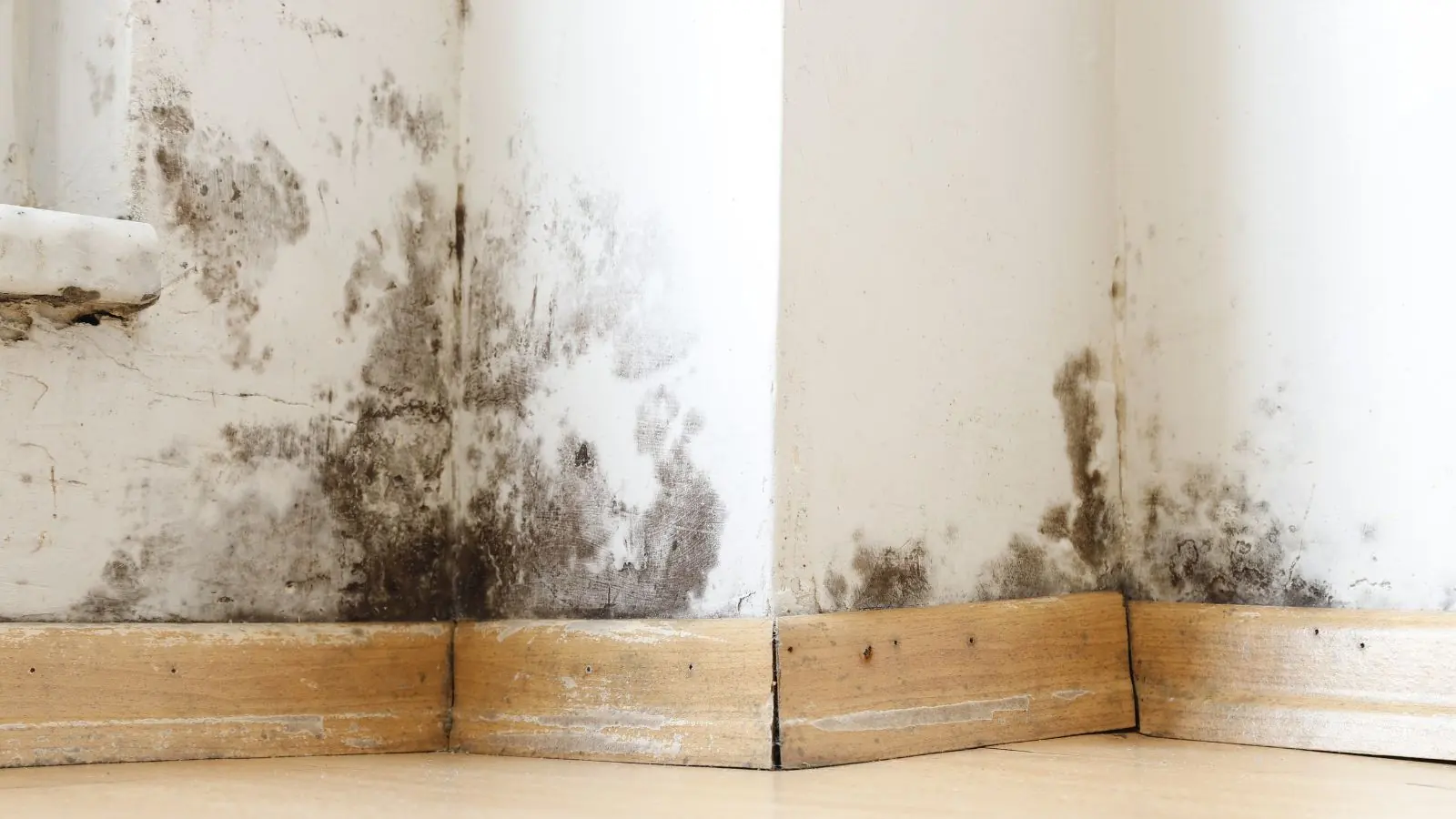
Containment keeps the work area separate from the rest of the home. Crews hang plastic sheeting, seal seams with tape and use a HEPA air scrubber to hold the area under negative pressure, so air moves into the work zone and not out of it. Workers wear protective suits and respirators, and materials leave the area in sealed bags.
Without containment, the act of removing moldy material can send dust through the house. That is why scrubbing or ripping out a moldy wall on your own can make a small problem bigger.
Questions to ask before you hire a mold company
- How will you contain the work area and keep air from moving into the rest of the house?
- Which standard do you follow, and can you describe the steps?
- What materials will you remove and what will you clean?
- How will you verify that moisture and growth are resolved?
- Who fixes the moisture source, and who rebuilds?
Be cautious about anyone who recommends fogging or painting a sealer over mold without removal and drying. Our water extraction page explains the work that should come first when water is still present.
What happens after the mold is gone
Once the area is clean and readings are normal, the rebuild can start. New drywall, insulation and finishes go in over a dry, clean structure. We recommend keeping the moisture log and the remediation scope together, since both help if questions arise later. Run a dehumidifier in damp areas for the first season, and watch for new stains.
When to treat it as an emergency
Treat the loss as an emergency when water is still entering, when it has touched electrical outlets or appliances, or when the water may be contaminated. Stop the source if it is safe to do so, keep people and pets out of the wet area, and call for help before the materials start to dry out unevenly.
Questions we hear
What do I do if I see black spots on the wall?
Fix the moisture source, avoid disturbing the area and call us. We assess the spread and plan containment.
Do I need mold testing?
Not always. Visible growth and moisture often tell the story. Testing can help in unclear cases or for clearance after remediation.
Will bleach solve it?
Bleach does not penetrate porous material and is not a substitute for removal.
How long does it take?
Small jobs take a day or two. Larger jobs take longer, depending on the area and drying.
Does Illinois license mold remediation?
IDPH states that registration is not required until its rules are adopted. Check the current status on the IDPH site.
Will it come back?
Only if moisture returns. Fixing the leak and drying the structure are essential.