
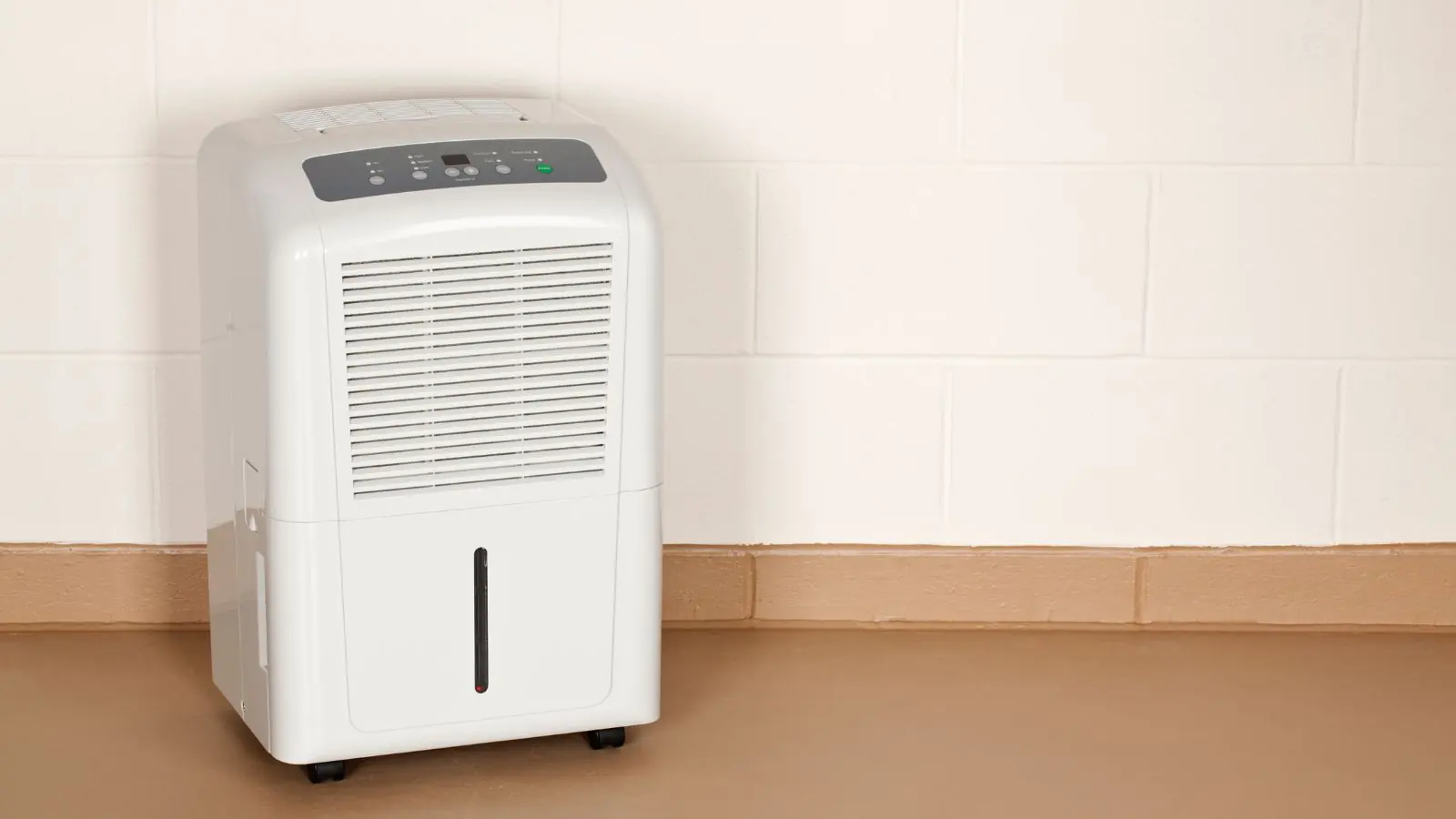
Walls still feel damp, or the room smells musty after cleanup?
If you mopped up a leak but the baseboards are cold, the drywall feels soft or the room smells damp days later, water is still inside the structure. The trade name for the fix is structural drying and dehumidification. It is the controlled removal of moisture from framing, subfloors and wall cavities using air movers and dehumidifiers, with readings that prove the job is finished.
What structural drying actually does
Structural drying is the science of moving water out of building materials. Wet drywall, studs, plywood and concrete release moisture into the air as vapor. Dehumidifiers pull that vapor out so the materials can release more. Without that second step, humidity rises and the water goes back into the structure.
In Libertyville, drying work often follows a pipe break, a storm or a sump failure. Start with water extraction if standing water is still present.
The equipment and what it is for
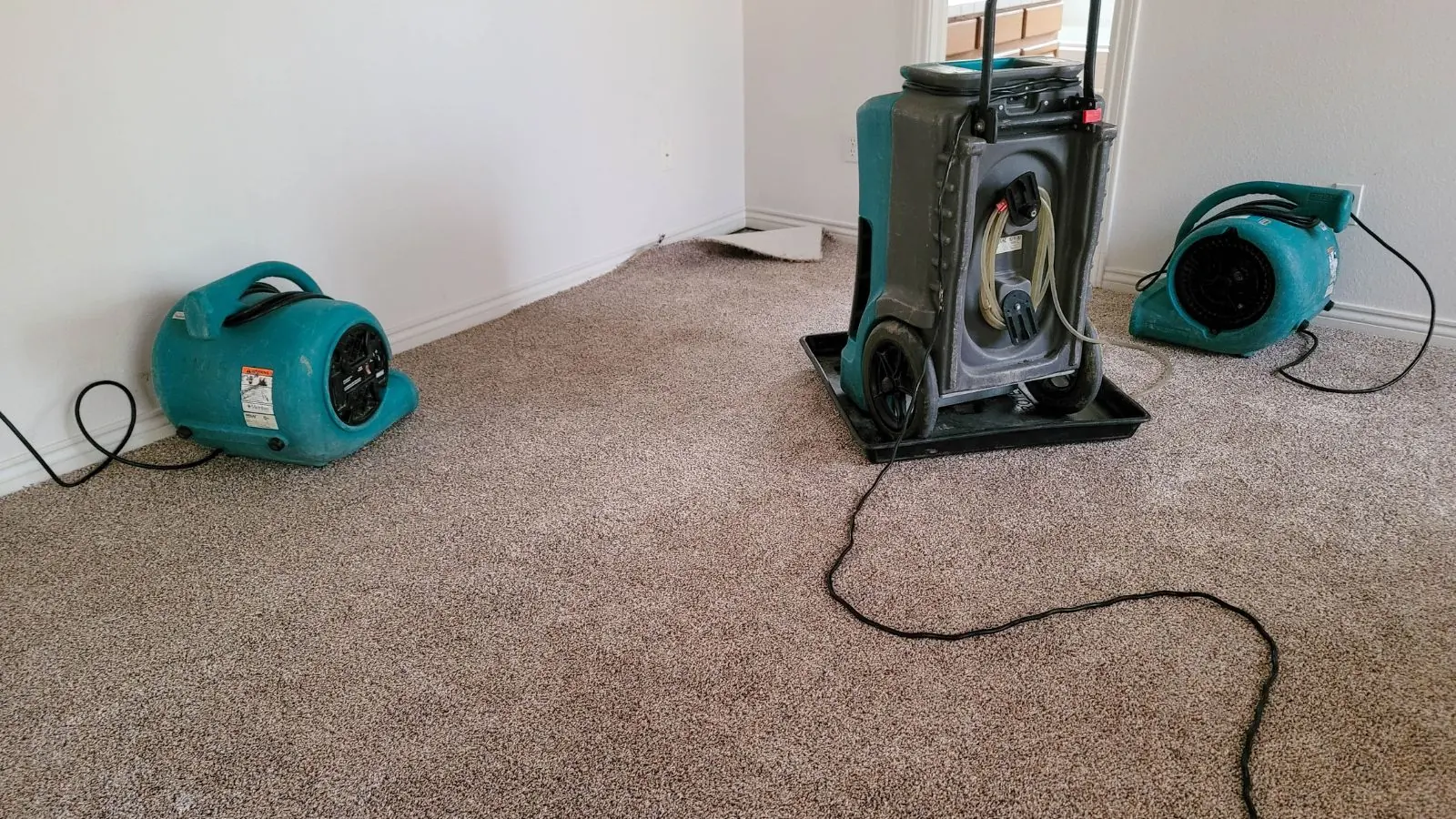
LGR dehumidifiers
Low grain refrigerant units pull moisture from cool, damp air in basements and mechanical rooms.
Desiccant dehumidifiers
Used in cold conditions or very wet jobs where refrigerant units lose efficiency.
Air movers
Axial and centrifugal fans scrub the surface of floors and walls to speed evaporation.
Wall cavity systems
Directed air pushes warm dry air into wall bays through small drilled ports.
Floor drying mats
Pull moisture from hardwood and subfloors with low-pressure suction.
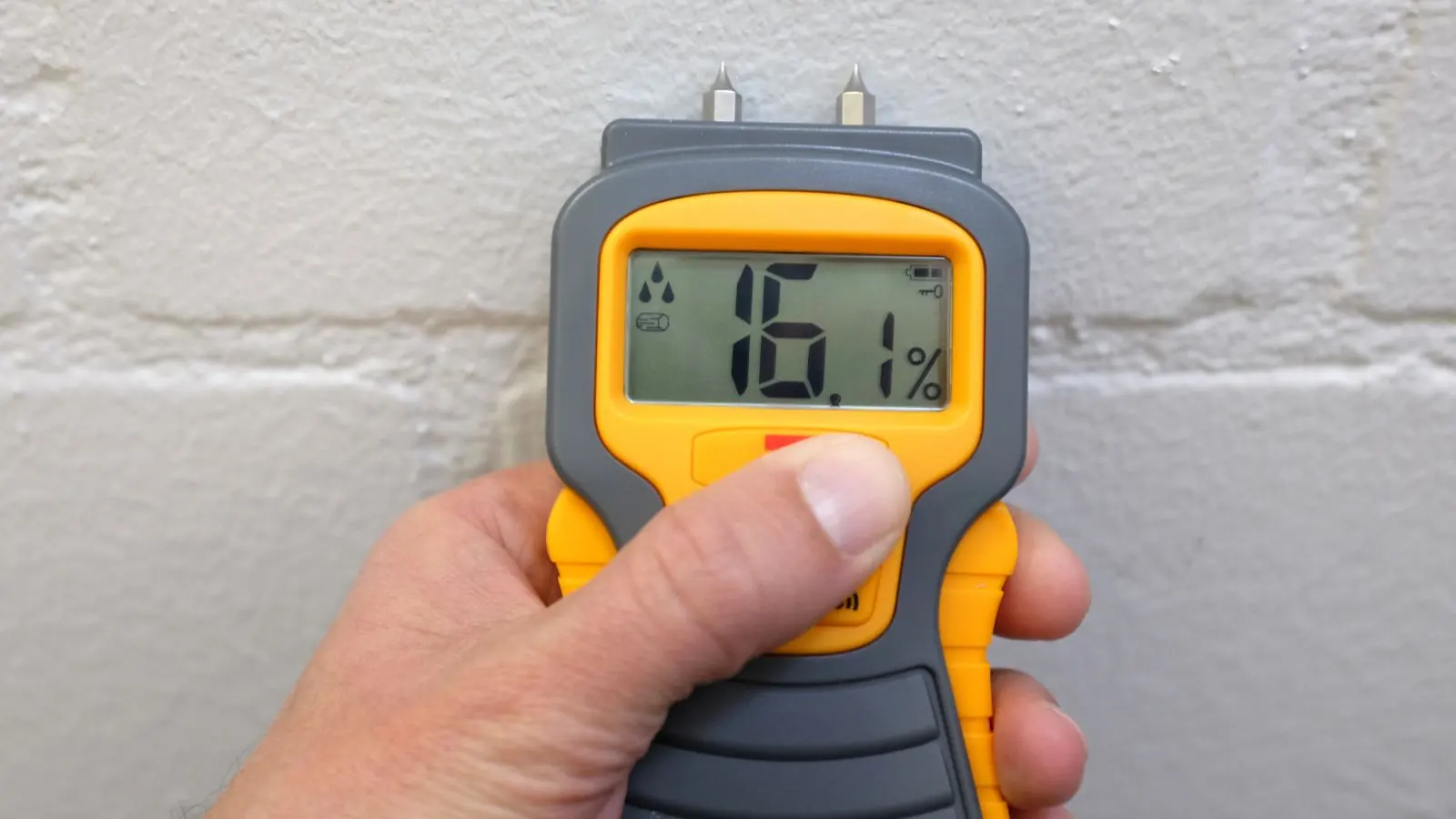
Moisture meters and thermal cameras
Find water we cannot see and track progress each visit.
Water mitigation in practice
Water mitigation is the early phase that limits damage, and structural drying is the finishing phase that proves it. We measure a dry reference point on unaffected material, set a drying goal for each wet material and check readings every day. The equipment comes out only when the numbers reach goal.
Moisture map
Mark the wet boundary on walls, floors and ceilings.
Set the goal
Compare to dry reference readings of the same material.
Place equipment
Dehumidifiers and air movers are placed by the size of the affected volume.
Monitor daily
Temperature, relative humidity and moisture content are logged.
Release
Equipment is removed after goal readings are met.
Drying approaches compared
| Method | Good for | Trade-off |
|---|---|---|
| Open drying with fans. | Surfaces with minor moisture. | Does not dry wall cavities or subfloors. |
| Closed system with dehumidifier. | Basements and finished rooms. | Needs doors closed and steady power. |
| Cavity drying. | Insulated or finished walls. | Requires small access ports. |
| Injectidry floor drying. | Hardwood and subfloors. | Needs seals and monitoring. |
| Demolition and rebuild. | Saturated drywall or insulation. | Costs more, needed when drying cannot succeed. |
More about floors is on our hardwood floor and carpet pages.
How long drying should take
Most residential dry-outs take three to five days, longer for hardwood, plaster and concrete. Cold or humid weather slows the process. We tell you the expected range once we see readings, and we update it daily.
- Material type and thickness.
- Number of rooms affected.
- Temperature and humidity inside the house.
- Whether wet materials had to be removed.
- Your ability to leave the equipment running.
Cost drivers and paperwork
Equipment count and days on site are the main drivers. We provide a written scope and daily logs. Insurance adjusters often ask for drying logs to confirm that the job followed an industry standard such as IICRC S500. Moisture logs show start, daily and final readings for each room.
When to treat it as an emergency
Treat the loss as an emergency when water is still entering, when it has touched electrical outlets or appliances, or when the water may be contaminated. Stop the source if it is safe to do so, keep people and pets out of the wet area, and call for help before the materials start to dry out unevenly.
Questions we hear
Why are my walls still damp after I dried the floor?
Wall cavities and the bottom plate hold water that a fan on the floor will not reach. Cavity drying and dehumidification are needed.
How do you know the structure is dry?
We compare readings with a dry reference of the same material and log daily moisture, temperature and humidity. Equipment stays until goals are met.
Can I run a household dehumidifier instead?
A household unit helps with humidity but is too small for a wet structure. It will not dry cavities or move enough air.
Will the equipment be loud?
Yes, it is noticeable. Air movers and dehumidifiers run day and night. Most customers find the noise tolerable for the few days required.
Do I need to leave the house?
Not usually. You can stay unless the area is contaminated or the equipment blocks access.
Is drying covered by insurance?
Often, when the water source is covered. Drying logs support the claim. Check your policy for the cause of loss.