
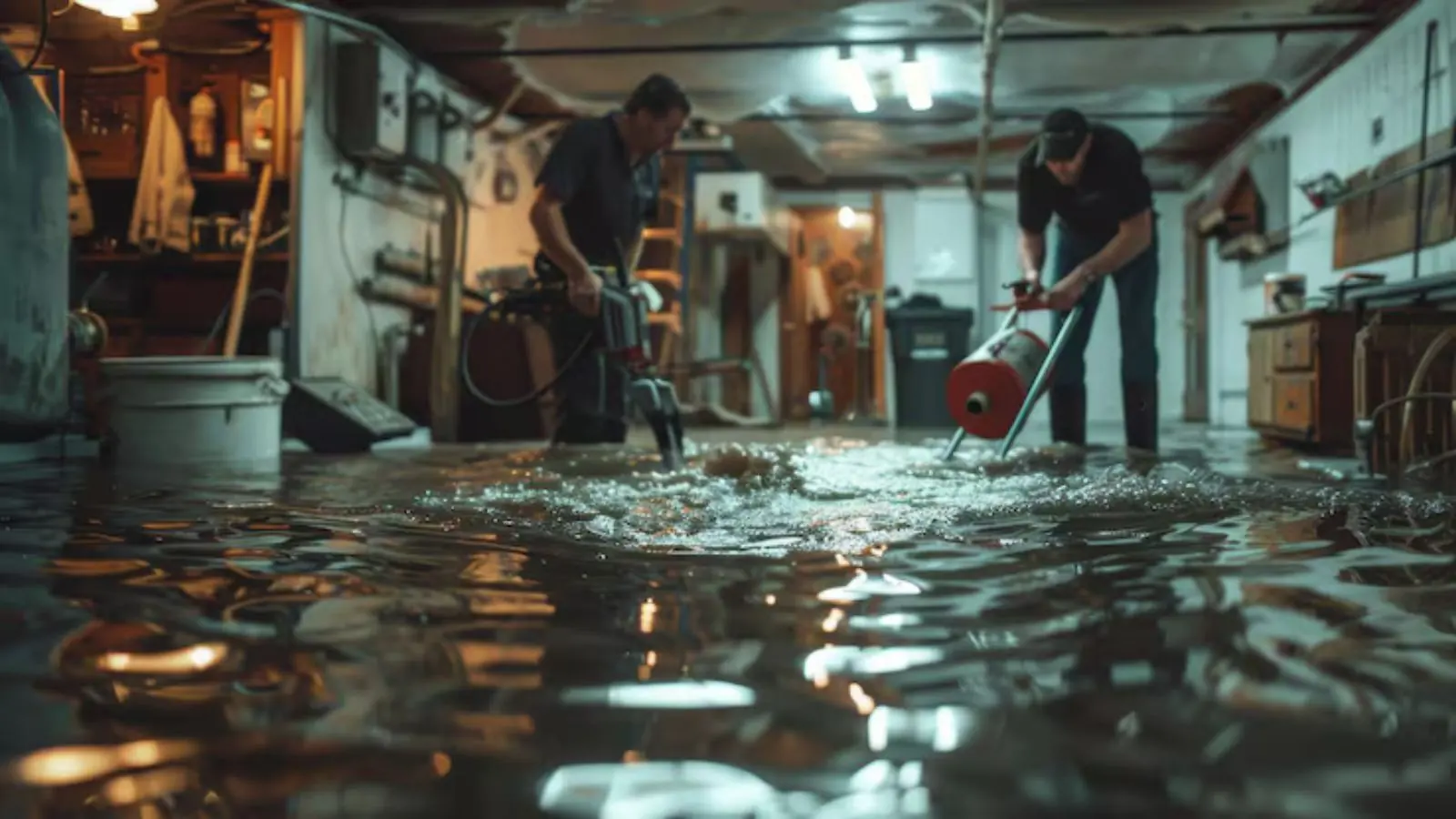
When standing water needs to come out now
Emergency water extraction is the removal of standing and trapped water from a building using vacuum and pump equipment, before drying begins. In Libertyville, it is the first real step after a pipe break, a sump failure, a storm or a flooded lower level. Every hour matters because water wicks upward into drywall and sideways under flooring.
We do not wait for the water to level off. A crew is arranged with equipment matched to depth and volume, and the person who answers helps you cut the source and protect belongings while you wait. After extraction, the same team moves into structural drying so the building does not trap moisture.
Why Libertyville lower levels collect water so quickly
The Des Plaines River winds through the village, and the National Weather Service recorded record river crests along the Lake County stretch in April 2013 and July 2017. In April 2013 even a subbasement at Libertyville High School flooded and shut classes for days. Basements near the river corridor sit low in the landscape and rely on sump pumps that can stall during storms.
The Village's master stormwater plan lists flood-reduction projects, including new storm sewer lines along Rockland Road and Glendale Road, because heavy rain can exceed the capacity of older drainage. When street drains back up or a pump loses power, water has nowhere to go but into a basement.
Indoors, a supply line, water heater or washer hose can release gallons per minute into a finished room. See our pages on burst pipes and basement cleanup for causes that start inside the home.
Signs extraction cannot wait
Some situations are obvious. Others only look manageable. If you see any of the following, treat the water as an emergency.
- Water above the baseboards or covering more than a few square feet of carpet.
- A squishy feel underfoot, or carpet that ripples when walked on.
- Drywall that is wicking water upward or has begun to sag.
- Water running from a ceiling light or fixture.
- A musty smell within a day of the leak, which signals trapped moisture.
- Dark or cloudy water, which may be contaminated and needs special handling.
If the water came from a drain, toilet or outside flooding, avoid contact and wait for the crew. Our sewage backup page explains how contaminated water is handled differently.
How a crew removes the water
Stop or slow the source
We help you shut off the supply or isolate the leak. Extraction is pointless if water keeps arriving.
Classify the water
The crew checks the source and appearance to decide whether it is clean, gray or contaminated, because that sets the PPE and the method.
Extract the bulk
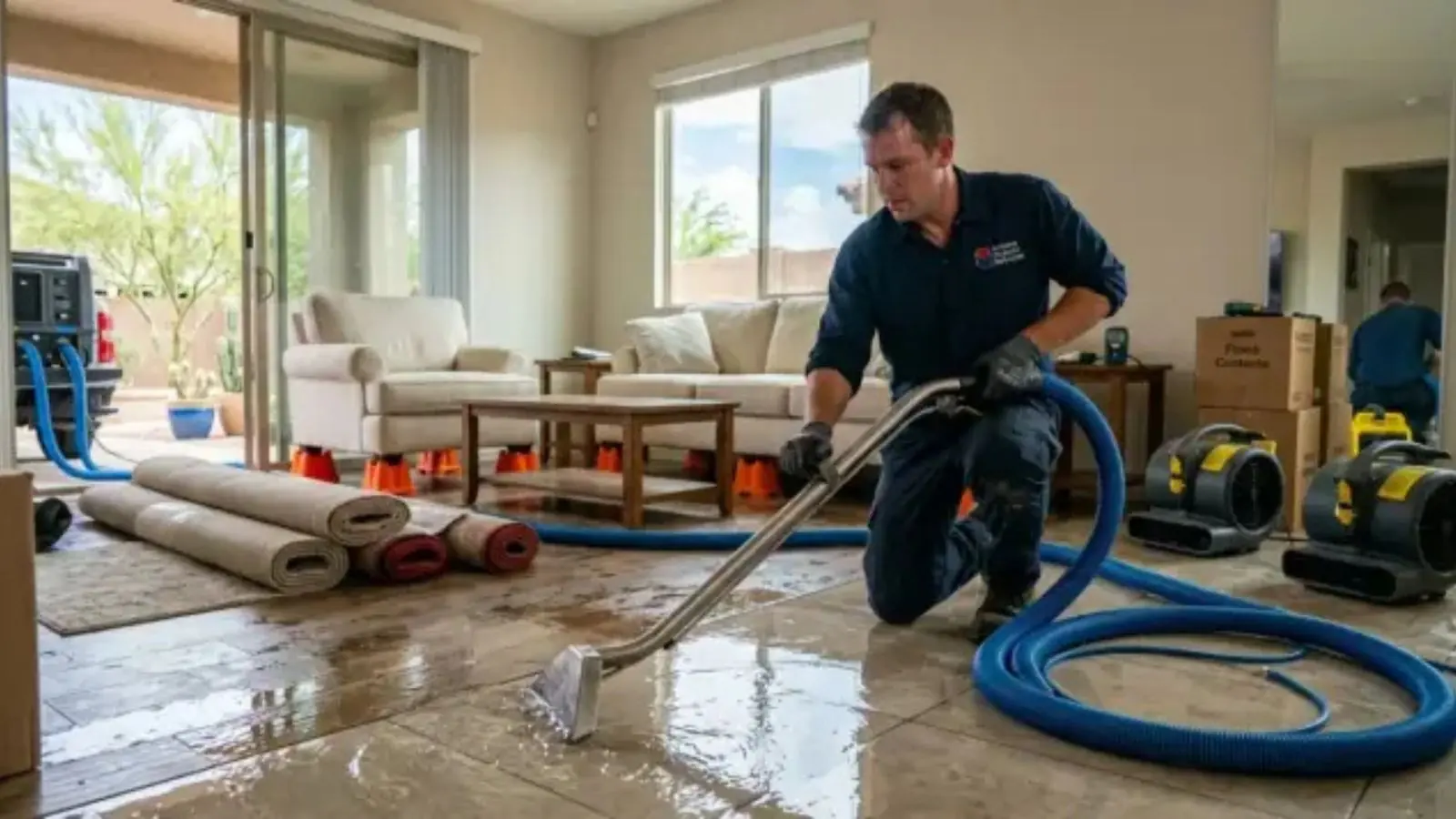
Truck-mounted or portable extractors pull standing water. Weighted wands lift water out of carpet and pad.
Check what is still wet
Moisture meters and thermal imaging find water that stayed behind in subfloors, walls and cabinet bases.
Hand off to drying
Air movers and low grain refrigerant dehumidifiers go in, and the crew records the starting readings.
IICRC S500 is the published industry reference for water damage, and each step should be documented, because the photographs and readings are what your insurer asks to see.
Extraction methods compared
| Method | Best for | Limits |
|---|---|---|
| Truck-mounted extractor. | Deep standing water and large rooms with a long hose run. | Needs curbside access and a clear path for hoses. |
| Portable extractor. | Upper floors, apartments and tight stairways. | Smaller tank means more trips on deep water. |
| Submersible pump. | Flooded basements with several inches of water. | Leaves a thin film that still needs extraction. |
| Weighted wand on carpet. | Soaked carpet and pad that can be saved. | Pad may still need removal if contaminated or old. |
| Subfloor injection drying. | Water trapped under hardwood or tile. | Used after bulk extraction, not instead of it. |
Choosing the right tool matters less than choosing the right order. Bulk water first, then trapped water, then controlled drying.
What affects the price of extraction
Extraction is priced by the work required, not a flat figure, and we explain the scope before work starts. These are the factors that move the total.
- Depth and volume of water, and how much of the building it reached.
- Whether the water is clean, gray or contaminated.
- Number of floors and how far hoses must travel.
- Time of day, since after-hours calls use on-call crews.
- Materials that must be removed rather than dried, such as soaked pad or insulation.
A written scope lists each room and the equipment planned, so there are no surprises when the job moves from removal into drying and repair.
Insurance and extraction records
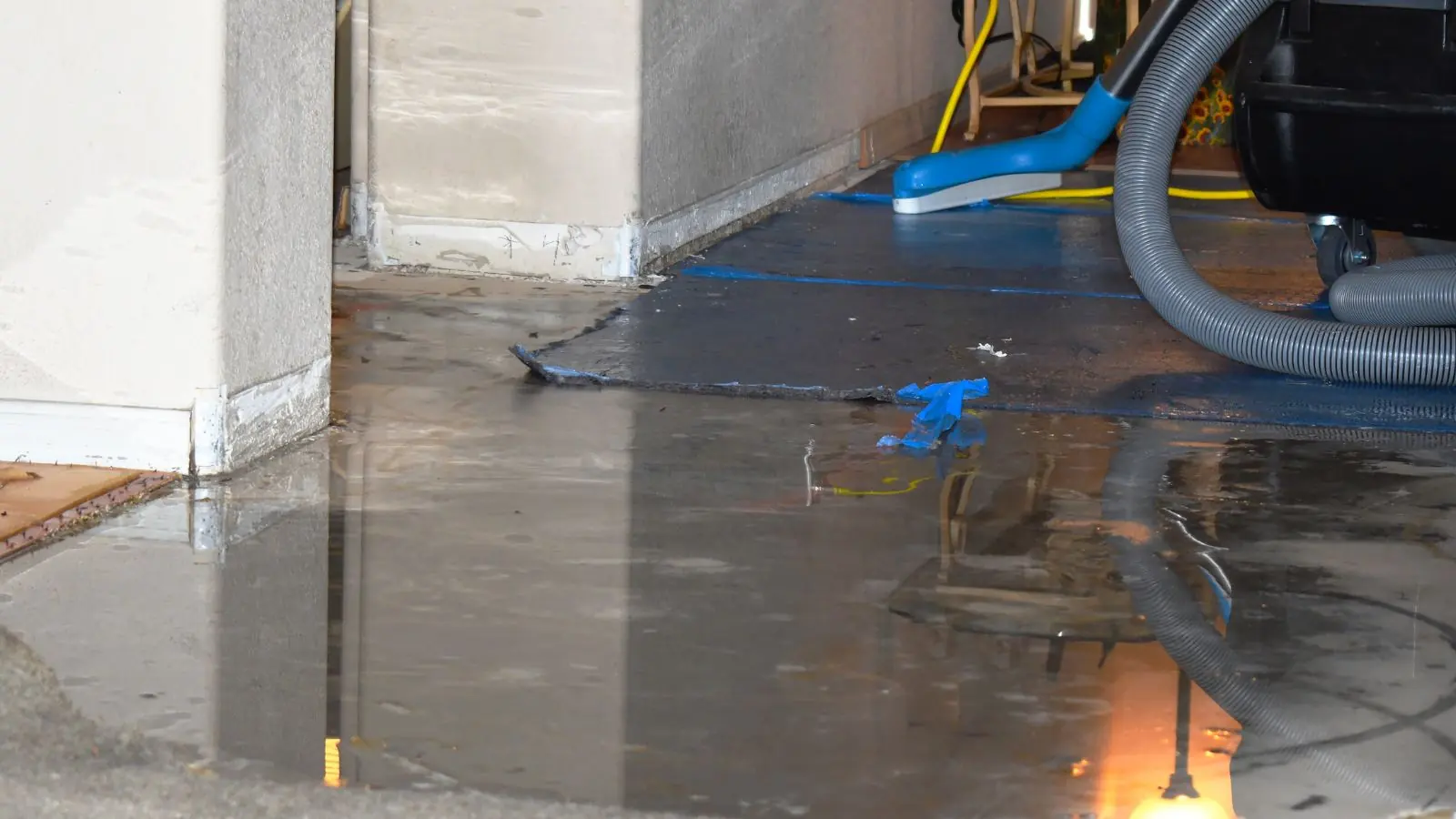
Most claims turn on speed and documentation. We photograph the water before extraction, log moisture readings and note equipment times. Whether your policy covers the loss depends on the cause, so check your declarations page and ask your agent about sewer backup and sump overflow endorsements. We provide the paperwork and leave coverage decisions to your insurer.
For help with nearby towns, see our Lake Bluff and Lincolnshire pages.
What to do before help arrives
These steps apply to most wet-area losses. If you smell gas, see sparking or hear buzzing from wet outlets, leave the area and call emergency services first.
- Turn off power to wet circuits at the breaker only if the panel is dry and you can reach it safely.
- Stay out of rooms with standing water if outlets, cords or appliances are submerged.
- Stop the water source if you can do it safely, then move valuables up and out of the wet area.
- Take dated photos and video before anything is moved.
- Do not use a household vacuum on standing water or run fans through wet electrical cords.
- Keep children and pets out of the wet area until the crew gives guidance.
Questions we hear
Do you handle water extraction emergencies at night or on weekends in Libertyville?
Call (847) 368-7353 and describe what is happening. The line tells you what response to expect for your address and conditions, including at night or on weekends.
How fast should standing water be removed?
As fast as possible. Drywall begins wicking within hours, and carpet pad holds water that feeds mold if it stays wet for days. Faster extraction usually means more materials can be dried instead of replaced.
Can I use a shop vacuum myself?
For a small spill of clean water, yes. For deep or spreading water, a household vacuum cannot reach trapped moisture, and using one on gray or contaminated water can spread bacteria. Call us if you are unsure of the source.
Will extraction alone fix a wet basement?
No. Extraction removes the bulk, but moisture remains in concrete, framing and drywall. Controlled drying with dehumidifiers and air movers is the second half of the job.
Is the carpet pad always thrown away?
Not always. Clean water caught early can allow carpet to be extracted and dried in place. Contaminated water, old pad or long wet times usually push the decision toward removal.
How do I know the water is gone from the walls?
We scan with moisture meters and thermal imaging and record numbers at set points each day. We stop equipment only after the readings meet the drying goal for each material.