
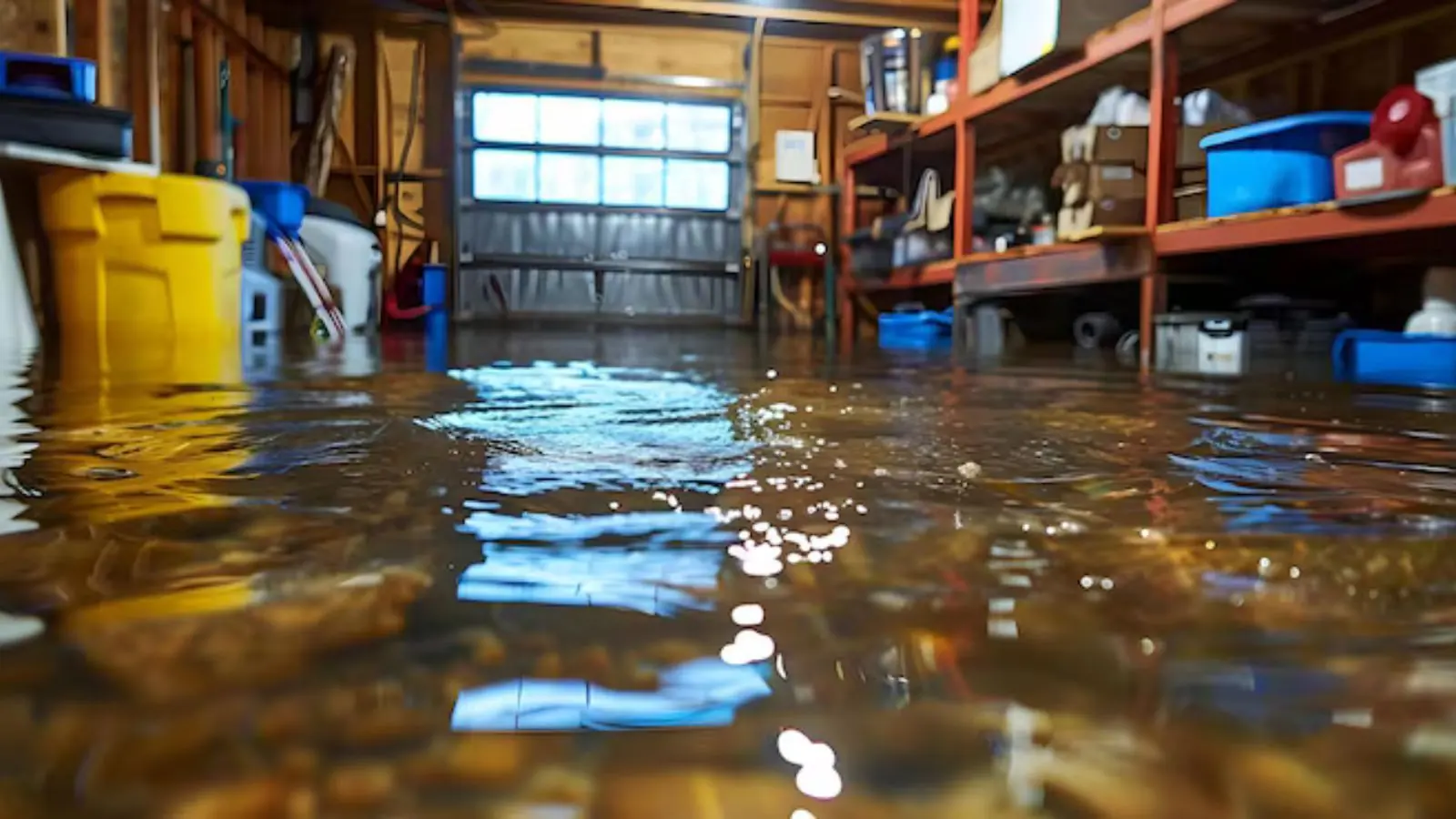
Water damage help in the Highlands neighborhood
The Highlands is a Libertyville neighborhood south of Route 176, between Butterfield Road and Garfield Avenue, near the western end of Rockland Road. Streets that the Village and local news reports name in the area include Drake, Dawes, Carter, Burdick and Ames streets and Crane Boulevard.
If water is inside a home here, treat it as an emergency, call (847) 368-7353 and describe what happened. Water damage restoration means removing the water, drying the structure and planning the repair. The water damage restoration page explains the full process for Libertyville.
What public records say about water in the Highlands
The Village of Libertyville adopted a master stormwater plan in 2019 that lists twelve study areas. One of them is the Highlands subdivision around Nicholas Dowden Park. The Village describes low sewer capacity there and a reservoir whose high water level sits above some roadway low points.
Local news coverage reported that the area was developed several decades before modern stormwater design standards. It also reported that heavy flooding at Crane Boulevard and Dawes Road in July 2017 forced several residents out, and that hundreds of homes flooded after a historic rain.
The Village then built a large dry-bottom detention basin in the southern part of Nicholas Dowden Park, reported as substantially complete in November 2022, and planned new storm sewers along Rockland Road and nearby streets. These public works address street drainage. They do not stop a failed sump pump or a leaking supply line inside a house.
Flood-zone status
Neighborhood-specific FEMA flood-zone status not verified.
To see how your own address is mapped, search it in the FEMA Flood Map Service Center.
How water usually gets into a house here
Water enters a home from several directions. Heavy rain can pond in streets and yards and push into window wells, basement walls and floor drains. A sump pump can fail during a storm. Indoors, a supply line, water heater or washer hose can release water at any time.
The source matters because it decides how the water is handled. Rain and ground water are treated as possibly contaminated. A clean supply-line leak is handled differently. Say which you have when you call.
First steps before help arrives
Safety comes before cleanup. These steps apply to most wet-basement and wet-floor losses.
- Stay out of standing water if outlets, cords, appliances or the panel could be touching it.
- Do not switch breakers while standing in or near water. Call the utility or an electrician if the panel is wet.
- Close the main water valve only if you can reach it without walking through water.
- Keep children and pets out of the wet area.
- Photograph the water line, the damaged items and the source before anything is moved.
- Move valuables up and out of the wet area only if the floor is safe to walk on.
Extraction and drying after rain water
A crew first removes standing water with pumps or extraction units, then lifts or removes materials that cannot be dried in place. Wet carpet pad and soaked drywall are common examples. Moisture meters guide the work so material is not removed or kept by guesswork.
Drying then runs on dehumidifiers and air movers until readings return to the target. This can take several days. Ordinary household fans and a shop vacuum are not enough for storm or sewer water, because they can spread contamination.
Documenting the loss for your insurer
Coverage depends on the cause of the water and on your policy terms, and rain, ground water and sewer backup are often treated differently from a sudden pipe break. Ask your insurer which applies. This site cannot tell you whether a claim will be paid.
What you can do is keep a record. Dated photographs, moisture readings, a list of damaged items and a written scope of work give you and your insurer a clear account of what happened and what was done.
Related services for Highlands homes
- Basement water damage cleanup for rain and ground water.
- Flood damage cleanup for larger losses.
- Water extraction for standing water.
- Structural drying and dehumidification after the water is out.
- Sewage backup cleanup if the water is dark or smells of sewage.
The Village also names Copeland Manor and Interlaken as study areas in the same stormwater plan.
Questions we hear
Does a flooded basement after heavy rain count as a flood for insurance?
It depends on the cause and on your policy. Rain, ground water and sewer backup are often handled differently from a burst pipe. Ask your insurer in writing and keep photographs.
Can I clean up storm water myself?
Small amounts of clean water, yes. Storm and sewer water can carry contamination, so wear protection, keep children away and call for help with anything beyond a small area.
How long does drying take?
Often several days. Moisture readings decide when it is done, not the calendar. Ask for the starting, daily and final readings.
Will drying and rebuilding be quoted together?
They are different phases. Ask for a written scope that separates water removal and drying from drywall, flooring and paint.
Is a new storm sewer or detention basin a reason to skip a sump pump check?
No. Public drainage work addresses streets and yards. A sump pump, backflow protection and indoor plumbing are still the homeowner's to maintain.