
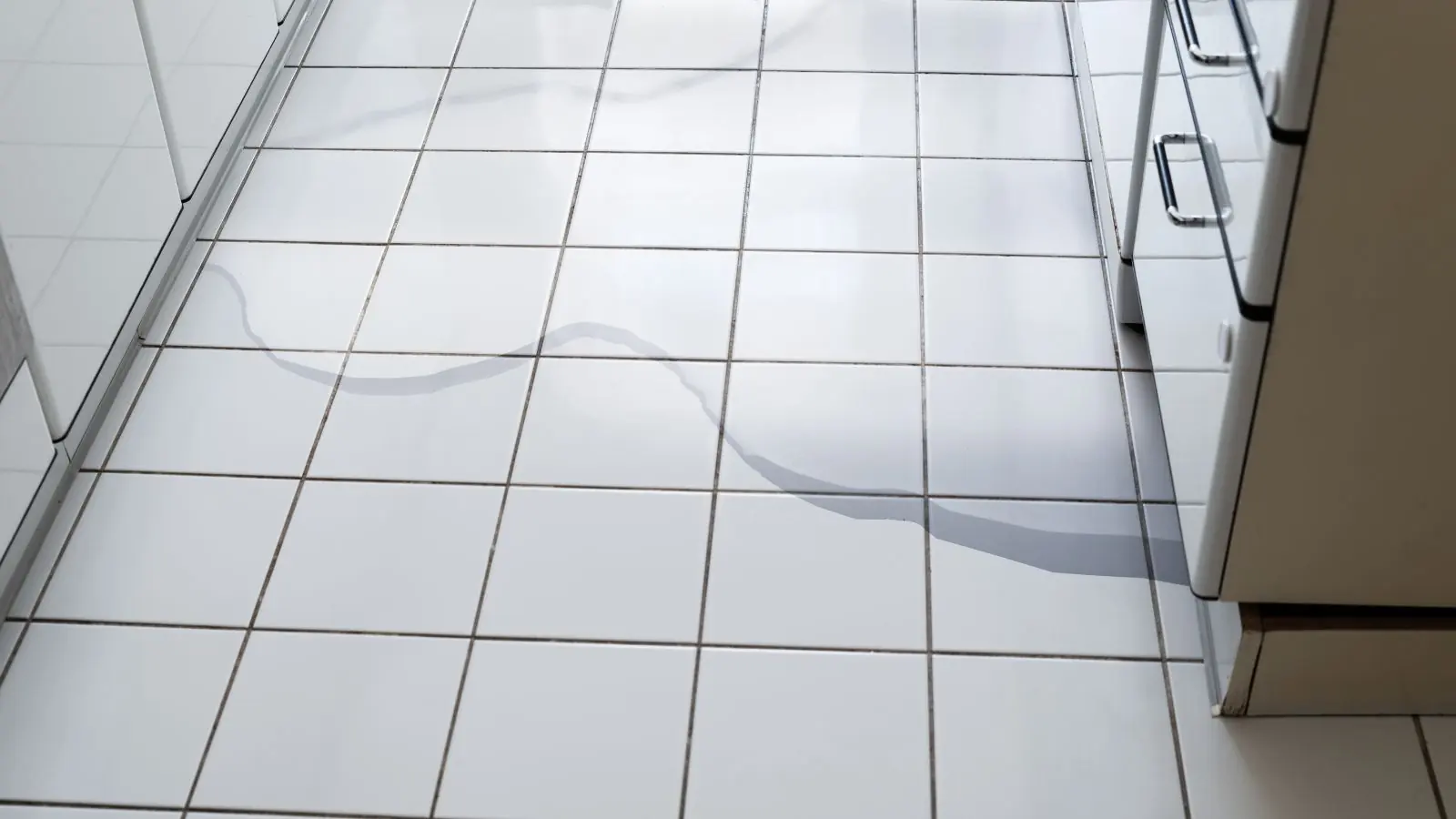
Why the kitchen is the leakiest room in the house
Kitchen water damage restoration is the removal, drying and repair of moisture in cabinets, floors, walls and the cavity beneath a kitchen. With a sink, dishwasher, ice maker and often a nearby washer, kitchens hold more plumbing than any other room. In Libertyville homes, a drip behind a cabinet can run for weeks before the toe kick warps.
Call (847) 368-7353 if you see a stain on the cabinet floor, a lifting plank or a musty smell.
Where kitchen leaks hide
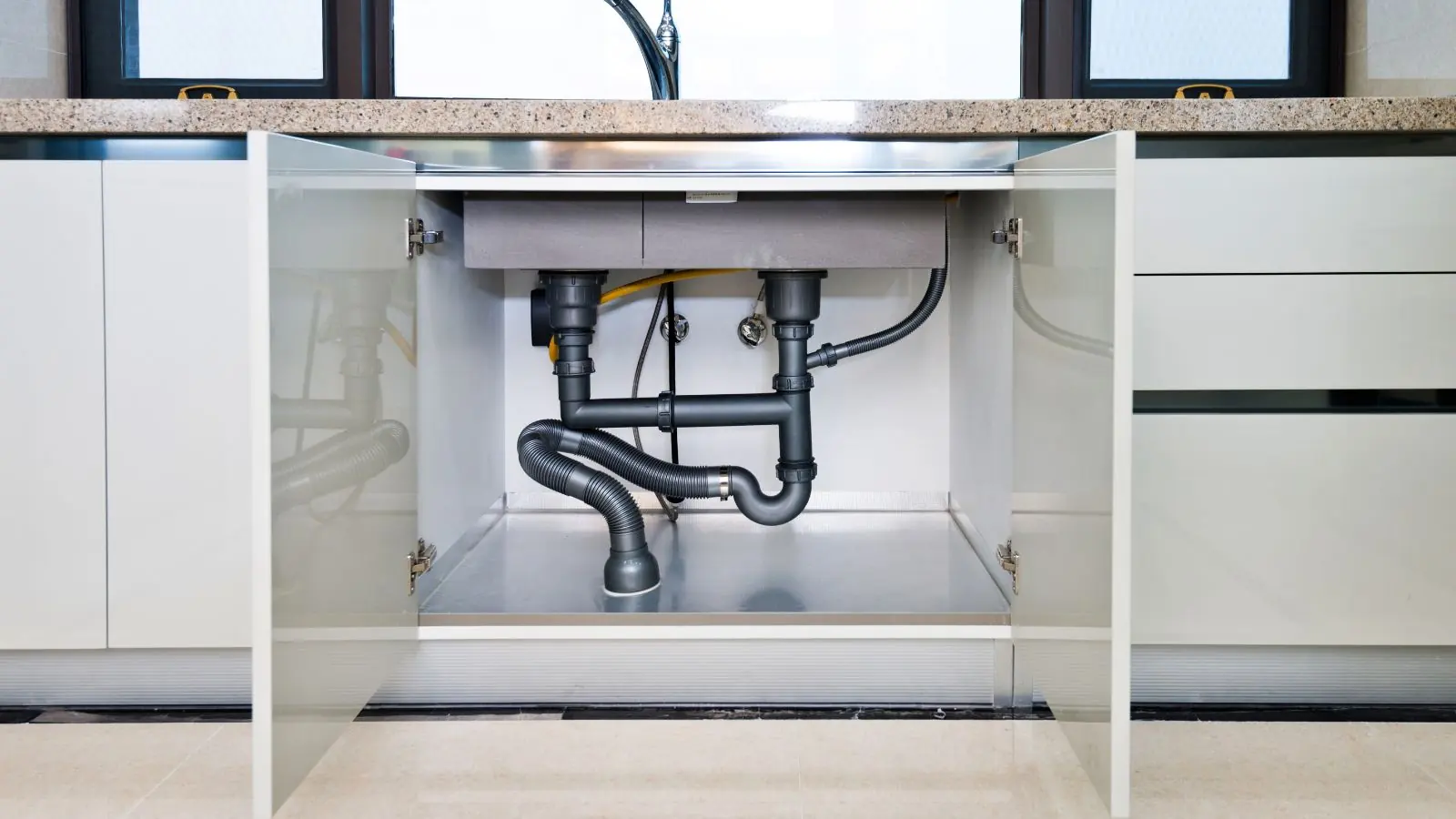
Under the sink
Supply stops, trap joints and disposal seals drip onto a particleboard cabinet floor.
Dishwasher
Inlet valves and door seals leak into the subfloor.
Refrigerator line
A small tube behind the fridge can soak flooring for weeks. See appliance leaks.
Upstairs bath above
A bathroom leak shows as a kitchen ceiling stain.
Early warning signs in the kitchen
- Cupping or lifting at the edge of the floor near the dishwasher.
- Cabinet doors that stick or hinges that loosen.
- Dark staining on the cabinet floor.
- Cold, damp feeling at the toe kick.
- Sink base that smells of mildew.
- Bubbling paint on the wall behind the sink.
Kitchen dry-out sequence
Find and stop the source
A plumber or appliance technician fixes the leak.
Extract and open
Remove toe kicks, drawers and panels so air can circulate.
Dry cabinets and floors
Mats, air movers and a dehumidifier dry the layers beneath.
Decide what to replace
Cabinets, trim and flooring are assessed with moisture readings.
Repair
A rebuild scope covers drywall, trim, floors and cabinets.
Save the cabinets or replace them
| Material | Often saved | Often replaced |
|---|---|---|
| Solid wood cabinets. | Dried promptly. | Warped or delaminated. |
| Particleboard cabinets. | Rarely. | Swollen base or sides. |
| Tile floor. | Dry subfloor. | Loose tile or wet underlayment. |
| Vinyl plank. | Short wet time. | Cupping or swelling. |
| Hardwood. | Dried fast. | Cupped or crowned boards. |
Floor choices are explained further on our hardwood floor page.
Kitchen restoration cost factors
- Cabinet quantity, material and whether the island is wet.
- Flooring type and extent.
- Countertop removal for access.
- Days of drying.
- Matching existing finishes in an open floor plan.
Insurance and kitchen leaks
Sudden leaks are often covered, and slow leaks are often not. Photograph the cabinet floor and the failed part, and keep plumber receipts. We supply moisture logs that show how far the water spread.
A ten minute leak check for your kitchen
Most kitchen leaks announce themselves early if you look. Once a month, open the sink base and touch the supply stops and trap joints. Look at the dishwasher door gasket and the floor in front of it. Pull the fridge out once a year and look at the ice maker line.
- Run a paper towel along every supply line under the sink.
- Check the disposal housing for rust streaks.
- Look for stains on the cabinet floor.
- Run the dishwasher and watch for water at the door.
- Feel the floor near the fridge for soft spots.
Countertops, backsplash and toe kicks
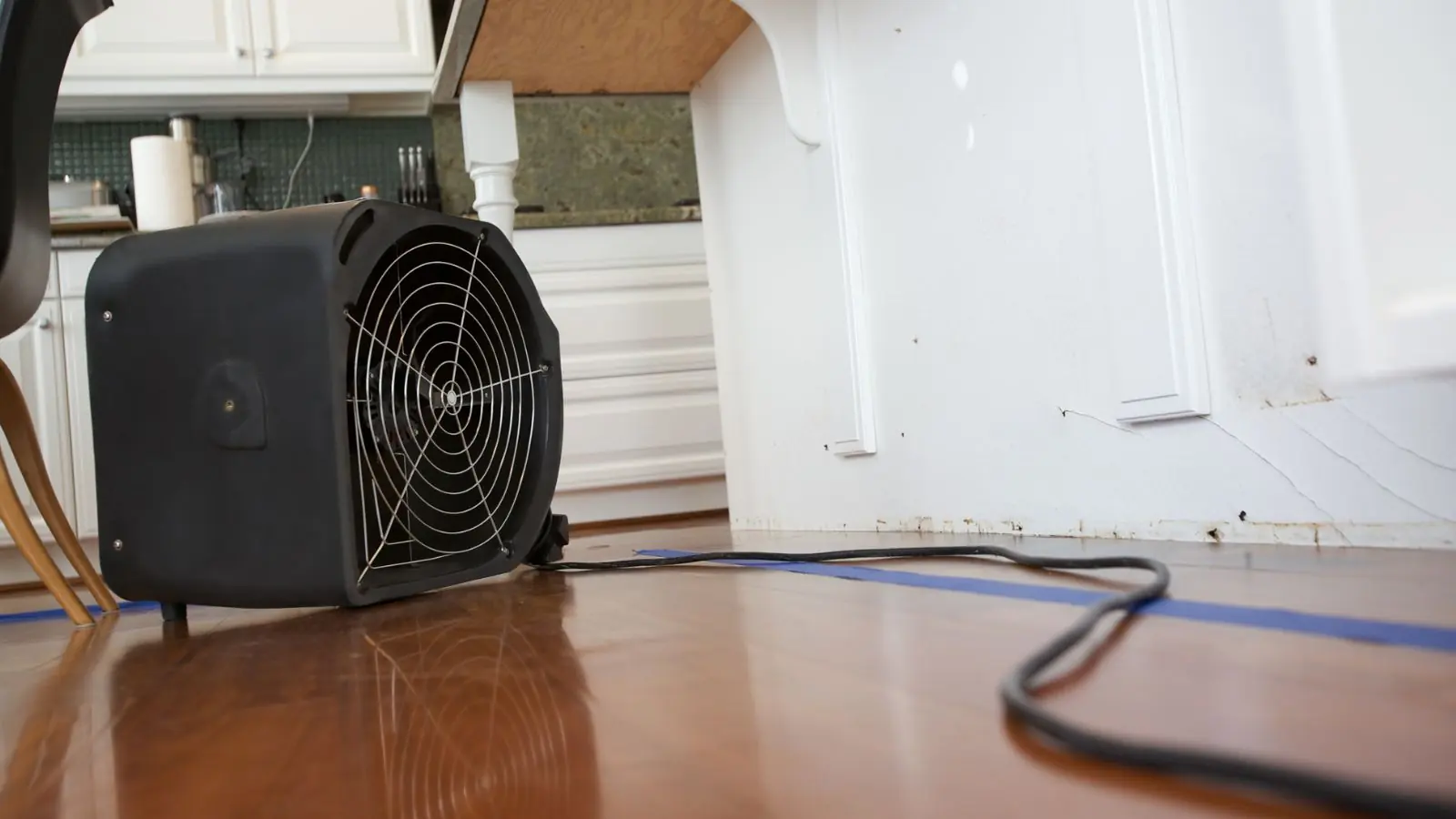
The finish carpentry of a kitchen can hide moisture. Toe kicks trap water against the floor, backsplash seams let splashes run behind the counter, and caulk lines fail slowly. When we dry a kitchen, we pull toe kicks first and look behind them. We remove a countertop only when the wet cabinet below cannot be reached any other way, and we tell you why before we do it.
When the kitchen has to stay usable
Few families can live without a kitchen for long. We plan the dry-out so you keep a working sink and refrigerator where possible. Equipment is placed to leave a path to the fridge. If cabinets must come out, we tell you what is affected and work to restore function in stages.
The standard behind the drying plan
Industry reference: the IICRC S500 standard is the published reference for professional water damage restoration. It defines water categories and drying classes, which is why a good scope names both and why moisture readings, not guesses, decide when drying is finished.
When to treat it as an emergency
Treat the loss as an emergency when water is still entering, when it has touched electrical outlets or appliances, or when the water may be contaminated. Stop the source if it is safe to do so, keep people and pets out of the wet area, and call for help before the materials start to dry out unevenly.
Questions we hear
Can I save my cabinets after a dishwasher leak?
Solid wood often can be dried. Particleboard that swelled usually cannot. We take readings before suggesting replacement.
Does a kitchen leak always mean mold?
Not always, but long wet periods raise the risk. Early drying helps avoid it.
Is the floor under cabinets wet too?
Often yes. We check with a meter under the toe kick and through small ports.
Will countertops have to come off?
Only when needed for access to wet cabinets or plumbing. We try to avoid it.
How fast should I act?
Call as soon as you notice wetness. Cabinets and subfloors degrade quickly.
Can you match my flooring?
We scope a repair that blends with your floor and tell you if a full replacement is advisable.