
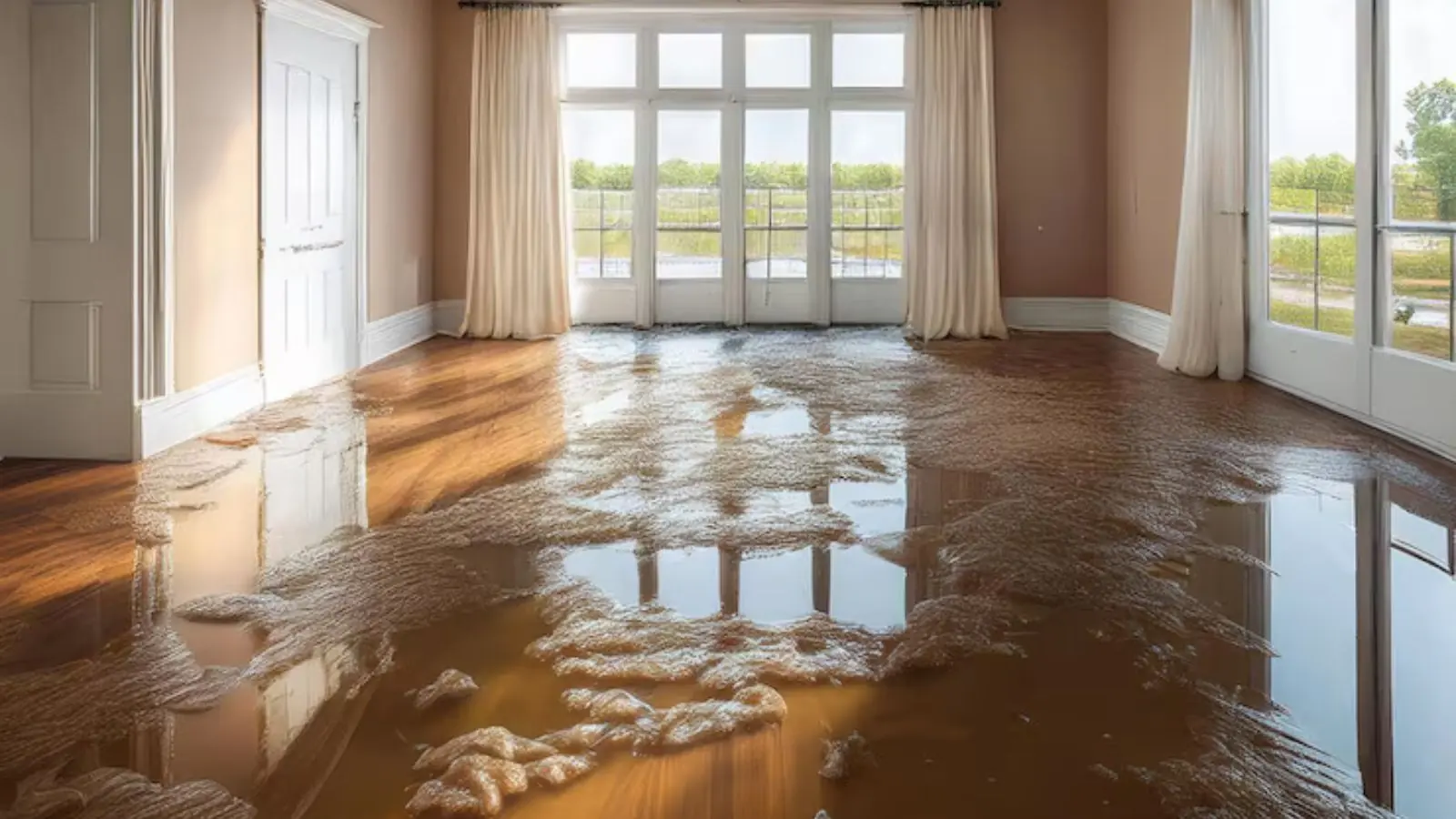
Rising water is the Lincolnshire story
Lincolnshire sits on the Des Plaines River, and the National Weather Service recorded the river at 16.36 feet there on April 19, 2013. On July 14, 2017 it reached a new record of 16.53 feet, and voluntary evacuations followed. When floodwater, a failing pump or a backed-up sewer reaches a Lincolnshire home, call (847) 368-7353.
Water damage restoration in Lincolnshire, IL starts with safety. We then extract, disinfect and dry. Our two most requested services here are flood damage cleanup and sewage backup cleanup.
Near Spring Lake Beach and the river bend
In April 2013 the Daily Herald reported the Spring Lake Beach neighborhood in Lincolnshire submerged by the Des Plaines River. Homes in low areas along the river face repeat risk, and the surrounding streets rely on storm sewers that a village consultant described as old and inadequate in part.
If you live in one of these pockets, plan ahead. A battery backup for the sump pump, floor drain plugs and clear window wells help. When water still arrives, the right first call is the one that gets extraction running. See basement water damage for the next steps.
Three watersheds, three kinds of calls
Lincolnshire is in the Des Plaines River basin and also part of the Indian Creek watershed, and the West Fork of the North Branch of the Chicago River runs through town. Each brings its own flooding pattern.
River crest
Slow rise, long duration, contaminated water. Expect disinfecting and material removal.
Creek overflow
Fast rise after intense rain, shorter duration, mud and debris.
Storm sewer surcharge
Street drains back up into basement floor drains. See sewage backup.
What to do before the crew arrives
- Stay out of water near the panel, outlets or the furnace.
- Do not run fans or vacuums on flood or sewage water.
- Move valuables up and photograph the waterline.
- Note the time the water first entered.
- Call your insurance agent and ask about flood, sewer backup and sump overflow coverage.
Standard homeowners policies often exclude flood. Separate flood insurance usually has a waiting period.
Permits and drainage rules
Lake County administers a Watershed Development Ordinance through its Stormwater Management Commission, and certified communities handle permits for work in their own limits. If your repair involves grading, drainage or work in a floodplain, check with the Village. We tell you when a project looks like it needs permits.
For ongoing business problems along the river, see commercial water damage. For lake-side neighbors, visit Lake Bluff.
Drying after the flood
Once water is out and contaminated materials are removed, structural drying takes over. We record moisture each day, and we release the equipment only when readings meet goal.
Getting a river-side home ready for the next rise
Homes near the Des Plaines River benefit from preparation more than most. Raise appliances, the furnace and electrical panels where you can. Keep sandbags, plastic and a submersible pump ready if your area is prone to rising water. Store valuables in plastic bins on upper shelves.
- Know where your main water, gas and electrical shutoffs are.
- Install a check valve or backwater valve if a plumber recommends it.
- Keep copies of insurance policies and photographs in a safe place.
- Sign up for county and village flood alerts.
Calling from Lincolnshire
Give the person who answers your street, the nearest cross street and the answer to three questions: where is the water coming from, how deep is it and is it clean. That is enough for us to plan the response. We follow up with a short list of things to do before the crew arrives.
Questions we hear
Do you cover every ZIP code in Lincolnshire?
Lincolnshire uses ZIP 60069, and we cover it. Neighboring ZIPs such as 60015 in Deerfield, 60089 in Buffalo Grove and 60048 in Libertyville are reached from the same line.
Do you handle flood emergencies at night or on weekends in Lincolnshire?
Call (847) 368-7353 and describe what is happening. The line tells you what response to expect for your address and conditions, including at night or on weekends.
Is river flooding covered by homeowners insurance?
Typically not. Flood insurance is a separate policy. Ask your agent about sewer backup and sump overflow endorsements as well.
How long will a flooded basement take to dry?
Several days to a week, depending on depth, contamination and concrete. We follow readings.
Do you handle sewage from storm drains?
Yes. We use containment and disinfection protocols.
Can you work with my adjuster?
Yes. We provide photos, logs and a written scope.