
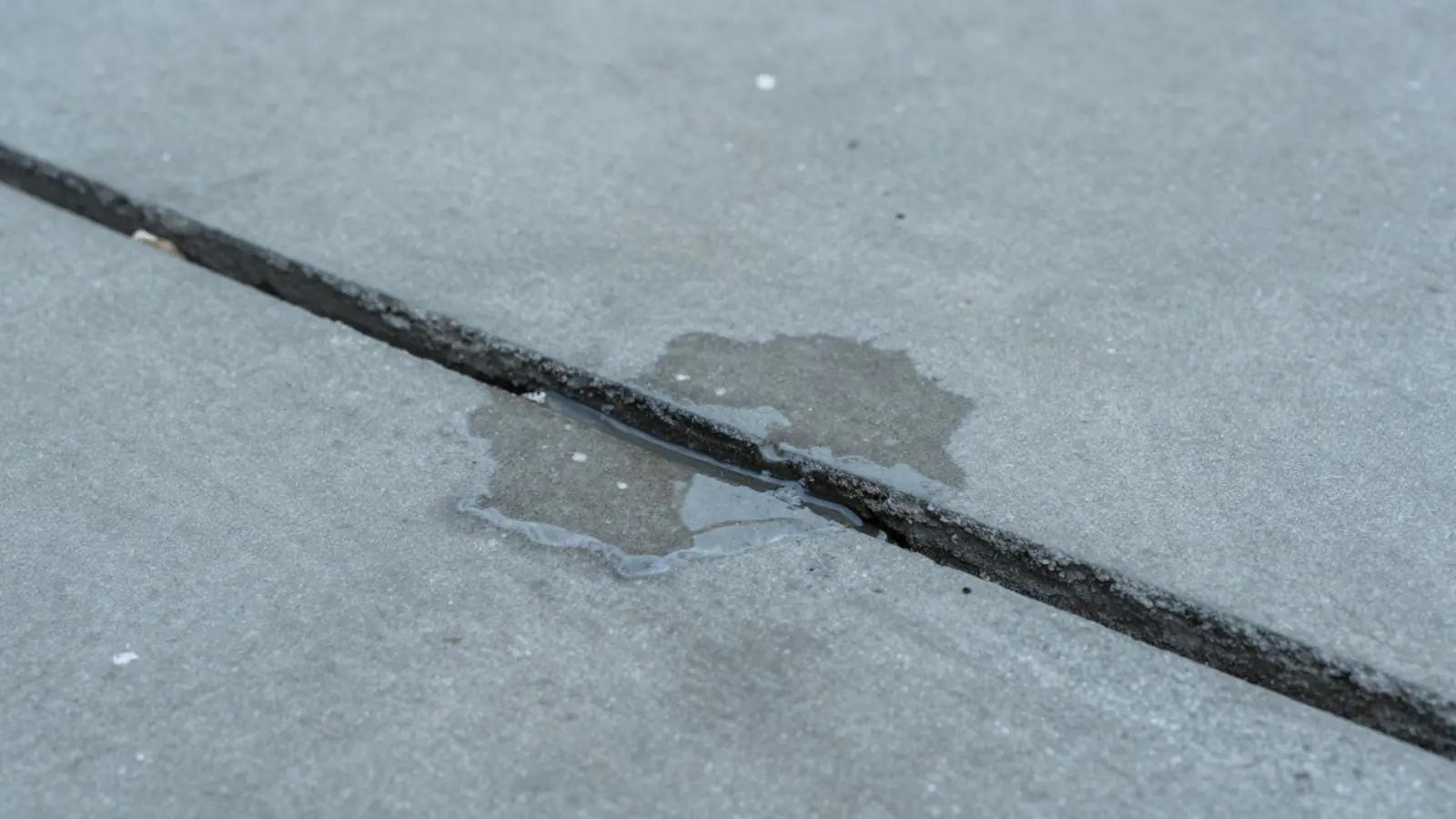
Warm spots, hissing sounds or a high water bill?
If you have a floor that feels warm underfoot, the sound of water running when nothing is on, or a bill that climbs for no reason, a leak in or under the concrete slab is possible. The trade name for the cleanup is slab leak water damage restoration. It means finding where the water went, removing it and drying the slab and the rooms around it.
What a slab leak is and where it can occur
A slab leak is a break in a pressurized line that runs through, under or beside a concrete slab, or water that reaches the slab from another failed pipe. Many Libertyville homes sit over basements, so slab leaks show up more often in garages, additions, finished lower levels and ground-floor slabs poured on grade. We build the response around the mechanism, because we do not claim how common it is here.
Hot water lines, copper corrosion, shifting soil and settling can all stress piping inside a slab. See our burst pipe page for how supply failures are handled above the floor.
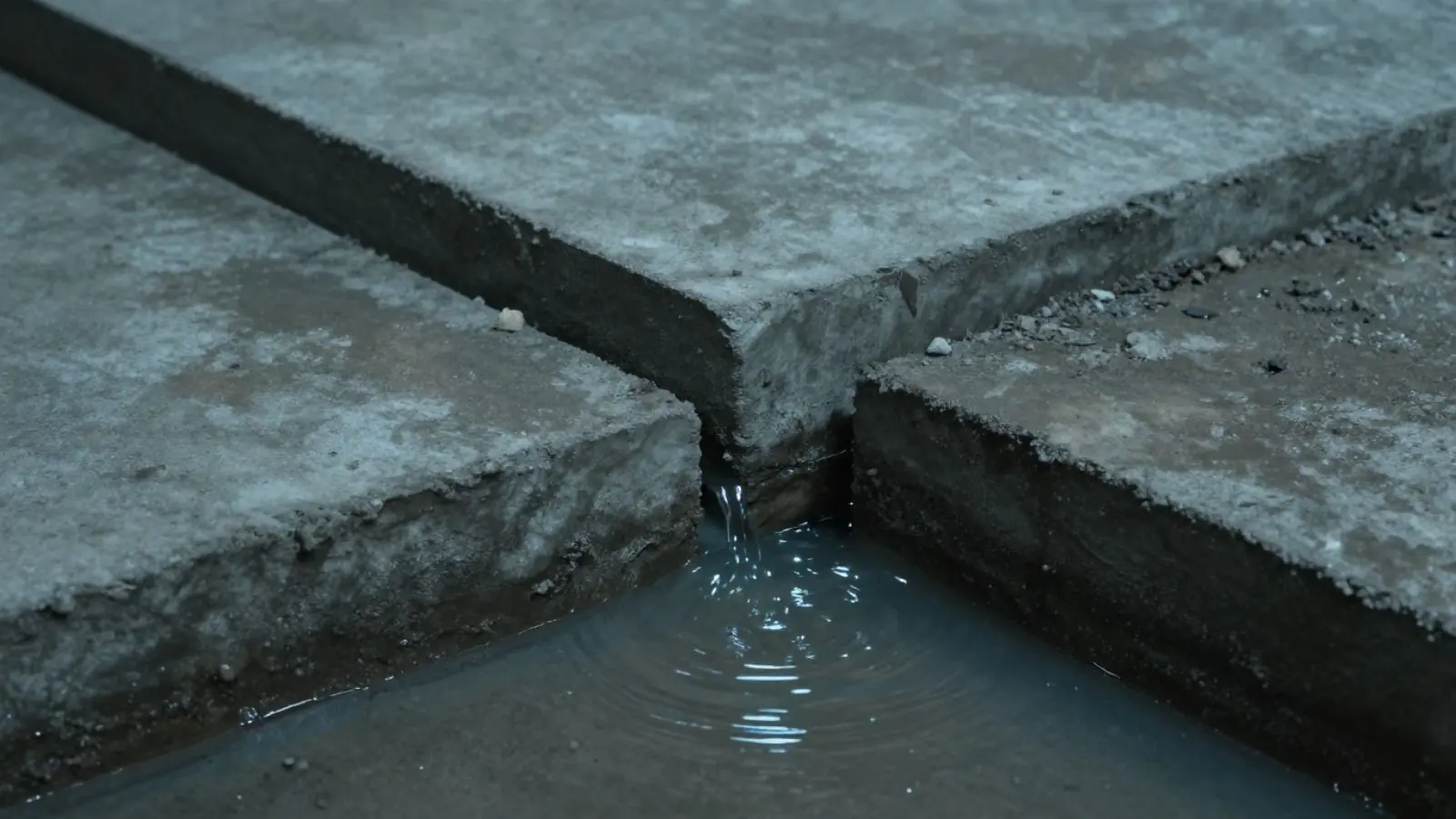
Signs the slab is wet
- Warm patches on tile or concrete.
- Hissing or running water noises at night.
- Damp carpet along a wall with no source above it.
- Cracks in grout or tiles that opened recently.
- Musty smell along baseboards on a slab floor.
- A water meter that moves when everything is shut off.
A pressure test and leak detection by a plumber confirm the line. We follow with moisture mapping to see how far the water spread.
Dry-out for a wet slab
Confirm and shut off
A plumber isolates the line. We help you avoid walking through wet areas near electrical equipment.
Map moisture
Meters and thermal imaging show which rooms and wall bases hold water.
Remove soaked flooring
Carpet, pad and floating floors are lifted so the slab can breathe.
Drive out moisture
Dehumidifiers and air movers, sometimes with floor drying mats, run until the slab and walls hit goal readings.
Support the repair
After the pipe is repaired, we confirm the slab is dry before new flooring is installed.
Ways plumbers fix a slab leak
| Approach | What it involves | Trade-off |
|---|---|---|
| Spot repair through the slab. | Cut concrete over the break and replace the section. | Direct but disturbs the floor. |
| Reroute the line. | Install new pipe in the walls or ceiling. | Avoids the slab, more work. |
| Repipe. | Replace old lines throughout. | Useful if several failures occur. |
| Epoxy lining. | Coat the inside of a pipe. | Not suited to every pipe or break. |
Cost factors for slab leak cleanup
- Area of slab and flooring affected.
- Type of floor covering, since tile and wood respond differently.
- Number of days of drying.
- Whether concrete had to be cut.
- Coordination with plumbing and leak detection visits.
Insurance and hidden leaks
Policies differ on slab leaks, especially when the cause is wear or settling. Ask your agent whether the pipe repair and the resulting damage are treated separately. Keep plumber reports, photos of the break and our moisture logs. A good paper trail helps when a claim depends on what was sudden and what was gradual.
We also cover nearby areas through our Lake Bluff and Lincolnshire pages.
The standard behind the drying plan
Industry reference: the IICRC S500 standard is the published reference for professional water damage restoration. It defines water categories and drying classes, which is why a good scope names both and why moisture readings, not guesses, decide when drying is finished.
What to do before help arrives
These steps apply to most wet-area losses. If you smell gas, see sparking or hear buzzing from wet outlets, leave the area and call emergency services first.
- Turn off power to wet circuits at the breaker only if the panel is dry and you can reach it safely.
- Stay out of rooms with standing water if outlets, cords or appliances are submerged.
- Stop the water source if you can do it safely, then move valuables up and out of the wet area.
- Take dated photos and video before anything is moved.
- Do not use a household vacuum on standing water or run fans through wet electrical cords.
- Keep children and pets out of the wet area until the crew gives guidance.
Questions we hear
What does a slab leak feel like?
Common signs are a warm spot in the floor, the sound of running water, damp carpet or a higher water bill. If you notice one, call a plumber and then call us to check how far the water has spread.
Do you handle slab leak emergencies at night or on weekends in Libertyville?
Call (847) 368-7353 and describe what is happening. The line tells you what response to expect for your address and conditions, including at night or on weekends.
Can you find the leak?
We find the water. A plumber with leak detection equipment locates the broken pipe. We coordinate the sequence so drying starts quickly.
Does a slab leak damage the foundation?
Prolonged leaks can erode soil and affect support. A structural engineer should review cracks or settlement. We focus on moisture and drying.
Will I lose my flooring?
Possibly. Carpet and pad are often removed. Tile may be saved if the slab dries under it. Wood and laminate commonly need replacement.
How long does the slab take to dry?
Concrete can take longer than framing. Expect several days with equipment, and the exact time depends on slab thickness and moisture readings.