
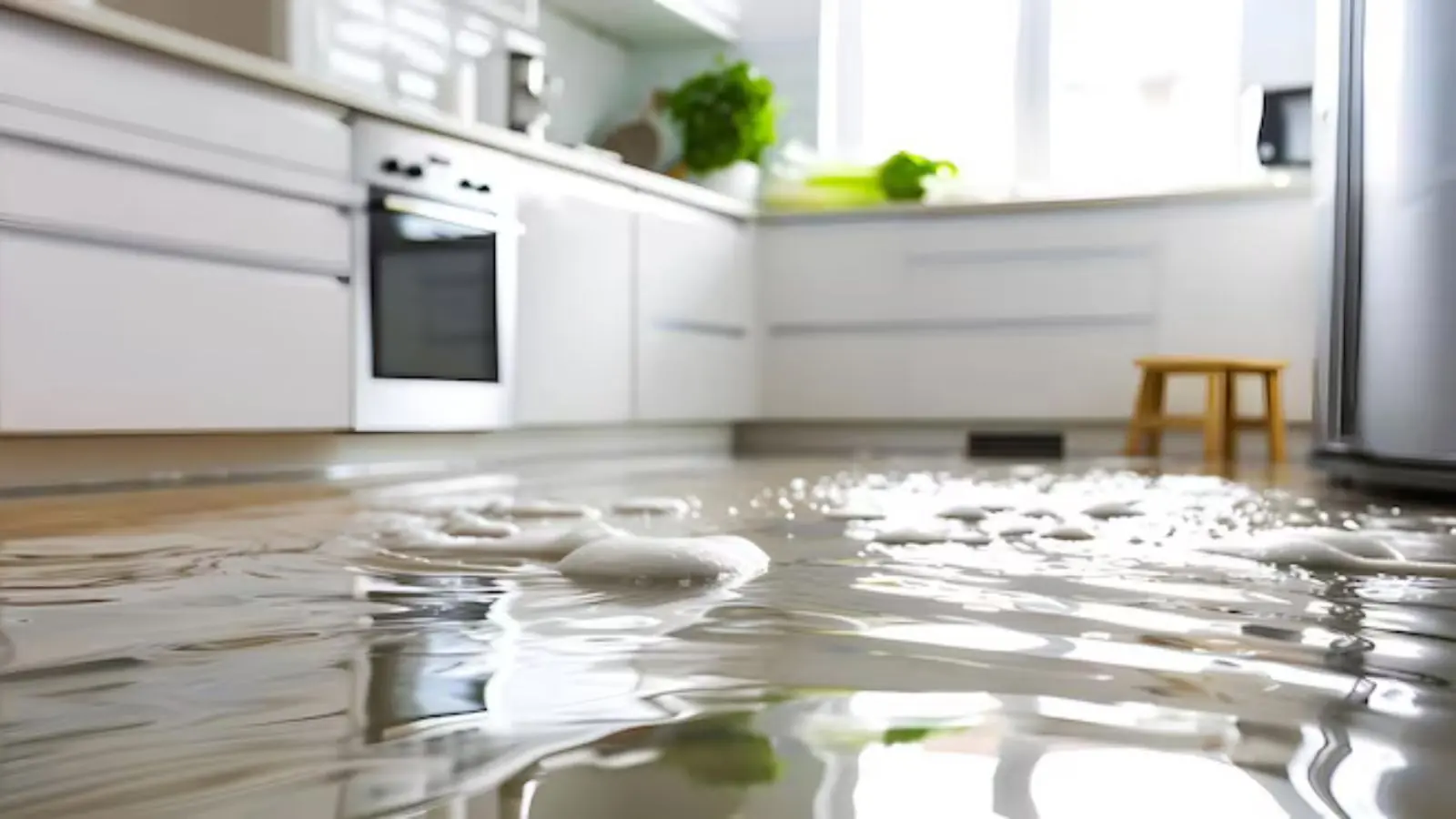
Flooding in a river town
Flood damage cleanup is the removal of overland or rising water from a building, followed by cleaning, disinfecting and drying. Flood water usually carries soil, bacteria and debris, so it is treated as contaminated until proven otherwise. In Libertyville, the Des Plaines River has crested at record levels twice in recent memory, and heavy rain can overwhelm streets and basements well away from the banks. The North Libertyville Estates subdivision sits beside the river behind a levee.
If water is coming in, call (847) 368-7353 first. We guide you on safety, send equipment, and keep records that help with a claim.
What the river and the rainfall have done here
The National Weather Service recorded the Des Plaines River crest in Lincolnshire at 16.36 feet on April 19, 2013, then a new record of 16.53 feet on July 14, 2017. Voluntary evacuations took place in Lincolnshire during the 2017 event. Libertyville High School reopened after being closed by subbasement flooding in 2013.
Those events are reminders that river floods and urban drainage floods are different problems. Neighborhoods along the river see rising water, while streets elsewhere see backed-up storm sewers. Read the notes on Lincolnshire flood response and Lake Bluff for how they differ.
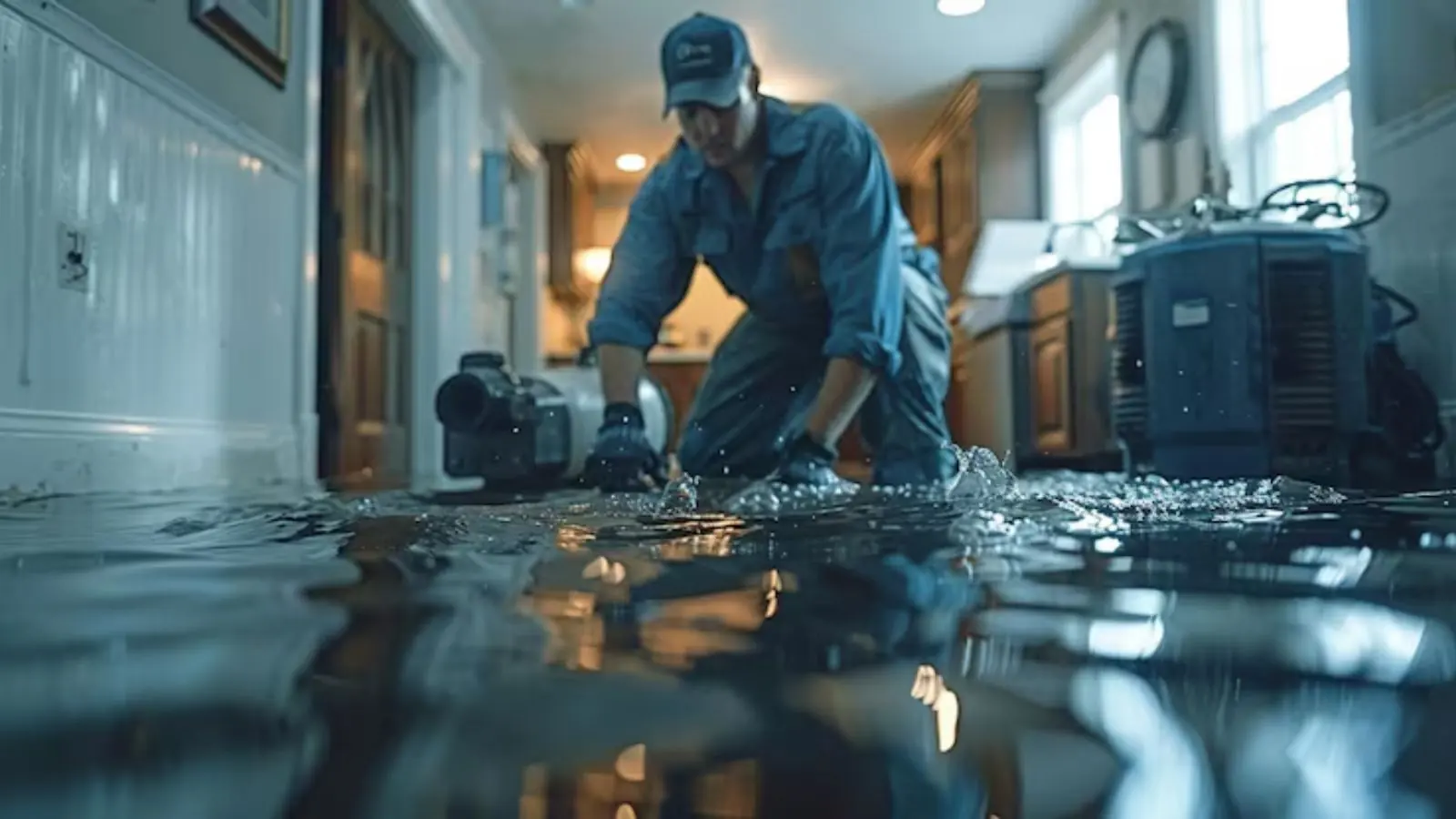
Treat flood water as contaminated
Floodwater picks up sewage, fertilizer, oil and soil. Porous materials that sat in it, including carpet, pad, insulation and particleboard, are usually discarded. Hard surfaces can be cleaned and disinfected. Anyone entering the water should wear boots, gloves and eye protection.
Safety first
Do not wade into water near outlets or the electrical panel. Leave the power off until a qualified electrician says it is safe, and keep children and pets out of the area.
For sewage or drain backups specifically, see our sewage backup cleanup page.
The flood recovery sequence
Stabilize the site
We confirm power is off where needed and bring ventilation and barriers.
Pump and extract
Submersible pumps and extractors remove the bulk. We work from the lowest point outward.
Remove unsalvageable materials
Wet carpet, pad, insulation and swollen cabinetry come out and are bagged.
Clean and disinfect
Hard surfaces are scrubbed and treated with antimicrobial products suited to the contamination.
Dry and verify
Dehumidifiers and air movers run with daily moisture readings until goals are met.
Flood versus water loss from inside
| Factor | Flood water | Interior clean water leak |
|---|---|---|
| Water category. | Usually contaminated. | Often clean at first. |
| Protective gear. | Boots, gloves, eye and respiratory protection. | Standard PPE. |
| Porous materials. | Often removed. | Often dried in place. |
| Cleaning step. | Disinfection required. | Usually optional. |
| Typical call. | Basement or first floor. | Any room with a failed fixture. |
If your problem started with a plumbing failure rather than a rising river, burst pipe water damage may be a better fit.
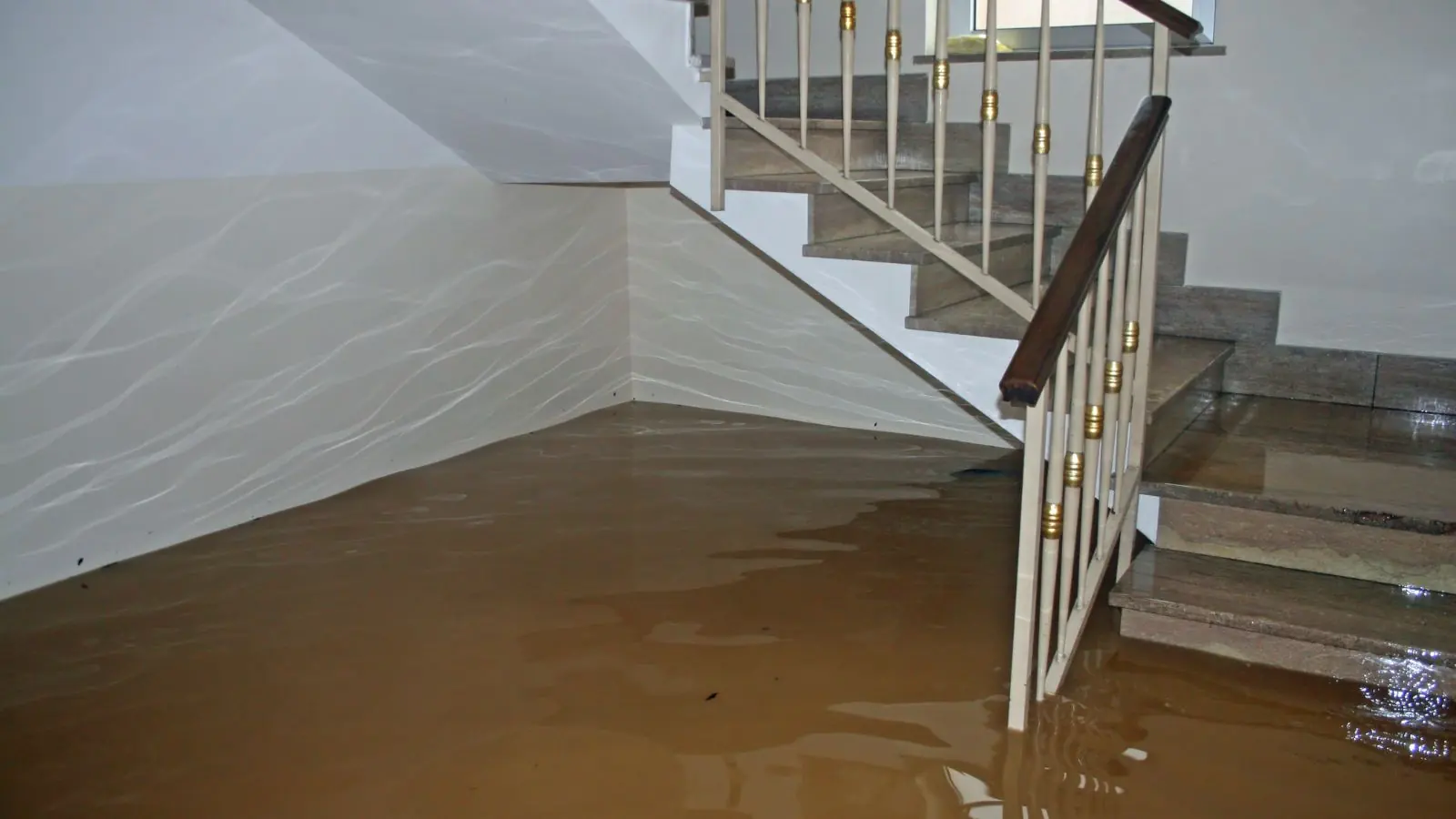
What drives the price of flood cleanup
- Depth, duration and contamination level of the water.
- Square footage of affected flooring and wall height.
- Quantity of contents that must be moved, cleaned or discarded.
- Disinfection and odor control required.
- Drying time needed for concrete and framing.
You receive a written scope that lists each room and each material decision before work begins.
Flood insurance and what to confirm
Standard homeowners policies typically do not cover surface flooding. Flood insurance is a separate policy, and new policies usually have a waiting period, so do not assume you are covered. Ask your agent about sewer backup and sump overflow endorsements as well. We keep dated photographs, moisture logs and receipts to support any claim, and we are happy to talk with your adjuster about our scope.
Questions we hear
Do you handle flood emergencies at night or on weekends in Libertyville?
Call (847) 368-7353 and describe what is happening. The line tells you what response to expect for your address and conditions, including at night or on weekends.
Is flood water the same as sewage?
Not exactly, but both are contaminated. Flood water mixes runoff, soil and sometimes sewage. We treat it with the same caution and discard porous materials that cannot be cleaned.
Can I stay in the house?
It depends on the depth, the electrical status and the amount of contamination. We help you decide, and we will tell you if a stay elsewhere is safer until the area is cleaned.
Will insurance pay for flood cleanup?
Only if your policy includes flood coverage. A standard homeowners policy usually does not. Sewer backup and sump overflow endorsements sometimes cover related losses. Ask your agent before you assume.
What happens to my belongings?
Hard items such as furniture frames, metal and plastic can often be cleaned. Soft goods that sat in contaminated water are commonly discarded. We list what we remove and photograph it for your records.
How soon can the drying start?
As soon as the water is out and the area is safe. In most jobs equipment is running the same day, and readings guide how long it stays.