
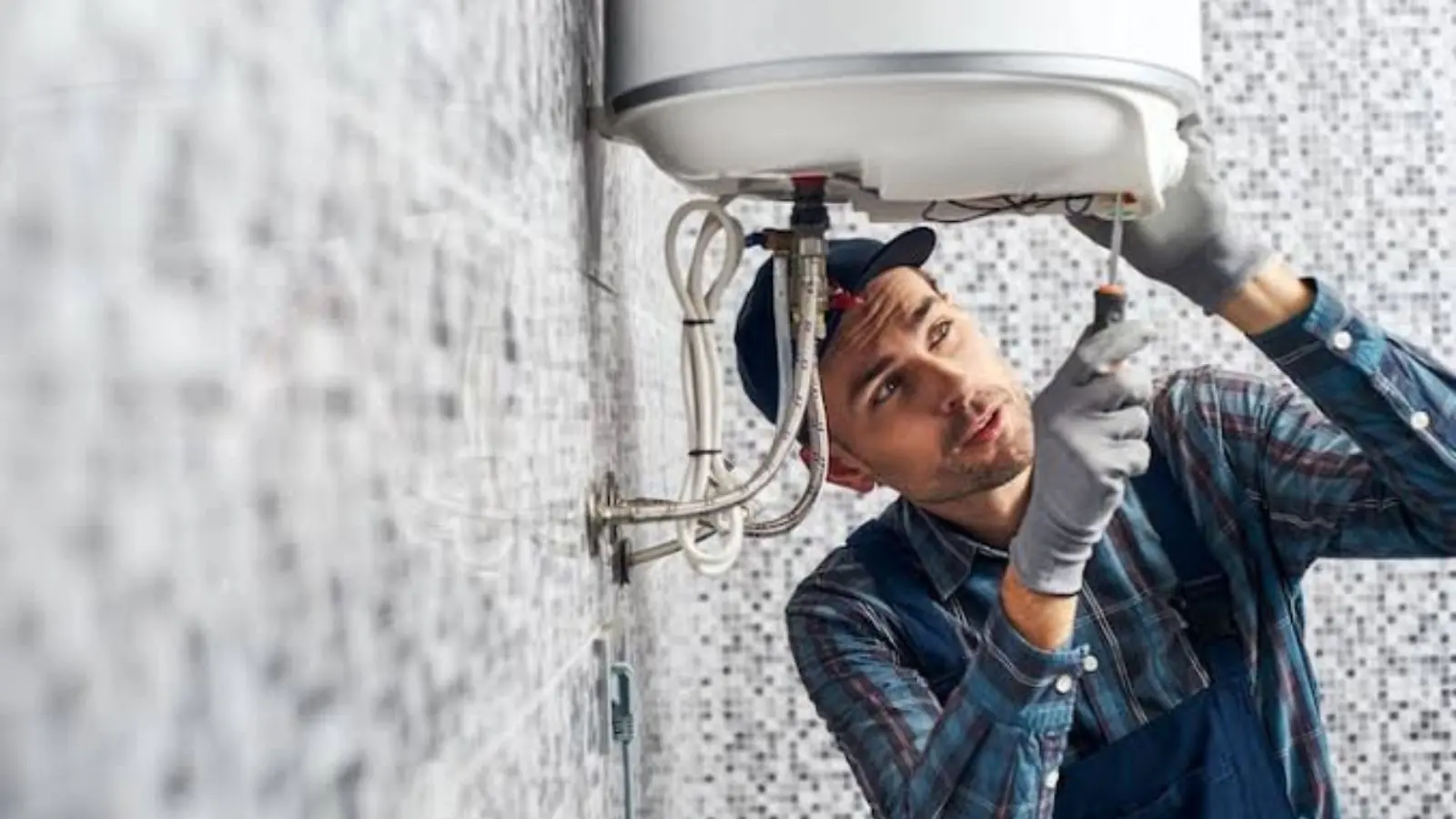
A tank failure floods the room fast
Water heater leak cleanup is the removal and drying of water released by a failed tank, a leaking valve or a loose connection. A standard tank holds dozens of gallons, and when the steel liner rusts through, all of it can empty in minutes. In Libertyville basements and utility closets, that water spreads under walls and into finished rooms before most owners notice.
Call (847) 368-7353 as soon as you see water, and tell us whether the heater is gas or electric so the person who answers can plan the safest approach.
How tanks fail and what the leak looks like
Tanks leak in several distinct ways. Knowing which one you have helps decide whether you need a plumber, a new unit or just a replacement part.
Corroded tank
Rust at the bottom seam or a wet base means the steel liner has failed. The tank is finished and must be replaced.
Relief valve discharge
A dripping pressure relief valve can signal high pressure or temperature. It is a safety device and needs a plumber.
Fitting or union
Loose or corroded connectors at the top drip down the side of the tank. These are often repairable.
Drain valve or sediment
A worn drain valve at the base drips slowly and can stain a floor for months.
If the leak is spreading toward other fixtures, see our burst pipe page for how supply failures are handled.
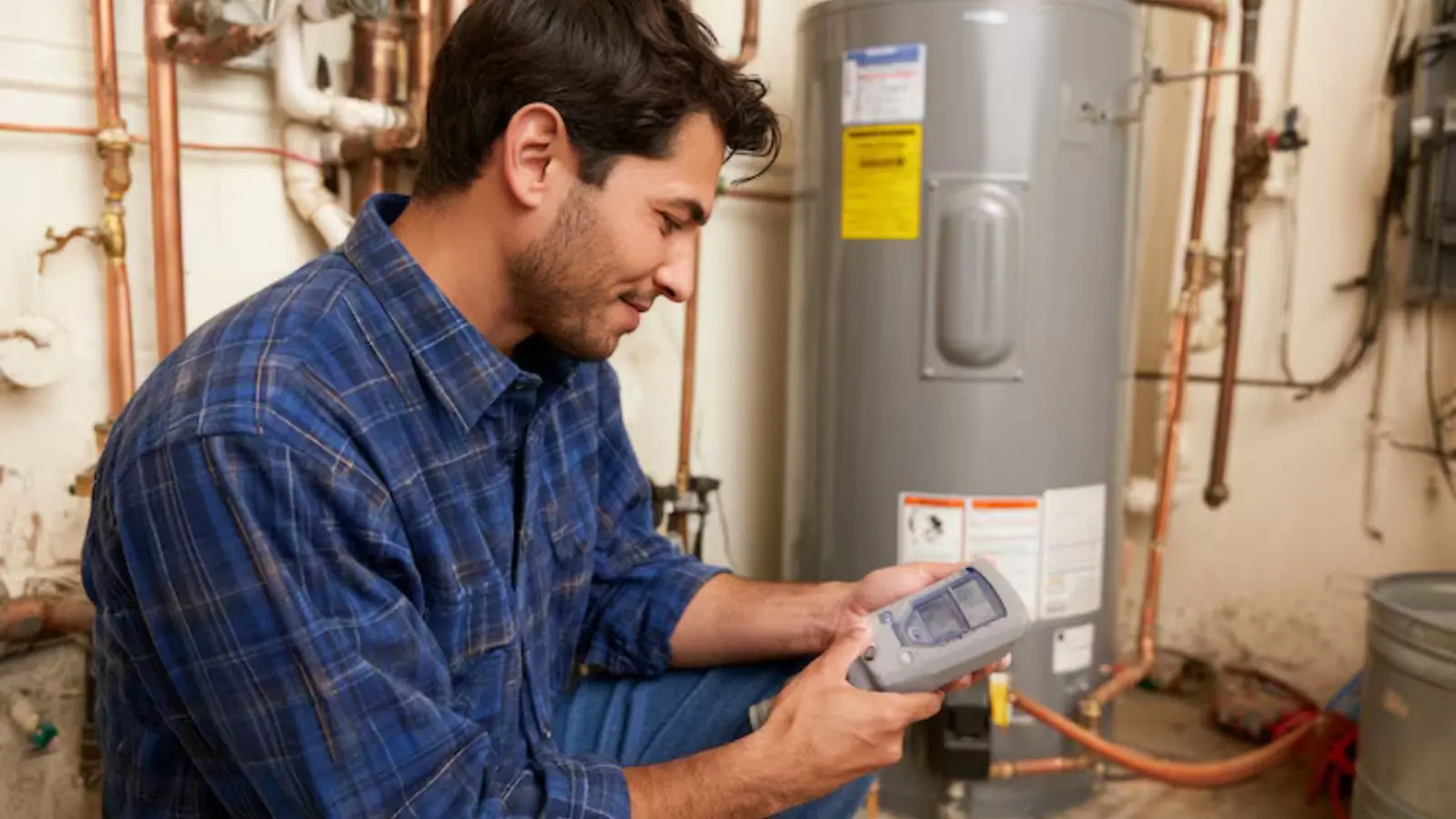
What water in a utility room really threatens
- Furnace controls and blower motors that sit low in the same room.
- Electrical panels, outlets and sump pump power cords.
- Baseboards and the bottom of drywall that wick water upward.
- Stored cardboard boxes, paper goods and photos.
- Finished spaces beside the mechanical room that share a slab or wall.
If water has reached the furnace or panel, do not operate them. We can pause drying around them until a technician confirms they are safe.
Cleanup, step by step
Shut down the heater
Close the inlet, switch off power or gas and confirm the water is no longer flowing.
Extract
Extraction units remove water from the floor drain area and surrounding rooms.
Dry the slab and walls
Concrete holds water, so dehumidifiers and air movers run until readings fall to the dry goal.
Treat and protect
We clean affected surfaces and, if water lingered, apply antimicrobial products.
Support the replacement
Your plumber installs the new tank. We recommend a drain pan and a leak sensor.
Replace the tank or repair it?
| Finding | Typical choice | Why |
|---|---|---|
| Wet base and rust at seam. | Replace. | The inner liner has failed and cannot be patched. |
| Dripping relief valve. | Plumber check. | May mean high pressure or an aging valve. |
| Loose union or fitting. | Repair. | Often a quick tightening or replacement of a connector. |
| Older tank with small leak. | Replace soon. | Corrosion tends to progress. |
Drying does not depend on the repair choice. We start as soon as the water source is stopped, whether the plumber repairs or replaces.
Cost factors
- Gallons released and how far they traveled from the mechanical room.
- Finished rooms that share the floor or wall.
- Drywall or insulation removal required.
- Days of drying equipment on site.
- Whether the replacement tank install is a separate plumber visit.
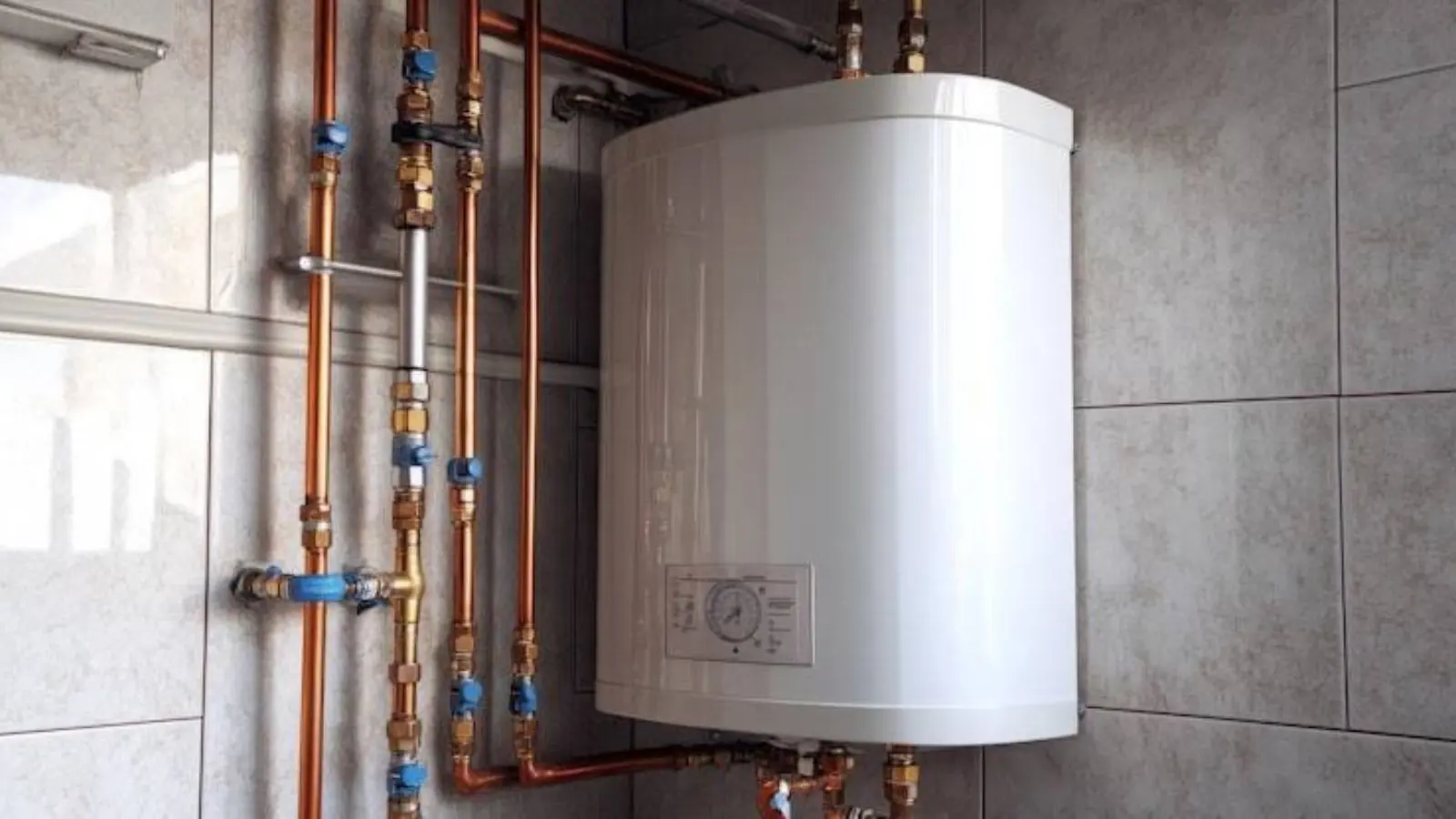
Insurance questions after a tank failure
Sudden tank failures are often covered, while the tank itself is treated as wear and tear. Keep the old unit if possible, record its age from the label and photograph the leak before cleanup. Ask your agent whether the policy excludes slow leaks. Moisture logs show when water was present and what was dried.
What to do before help arrives
These steps apply to most wet-area losses. If you smell gas, see sparking or hear buzzing from wet outlets, leave the area and call emergency services first.
- Turn off power to wet circuits at the breaker only if the panel is dry and you can reach it safely.
- Stay out of rooms with standing water if outlets, cords or appliances are submerged.
- Stop the water source if you can do it safely, then move valuables up and out of the wet area.
- Take dated photos and video before anything is moved.
- Do not use a household vacuum on standing water or run fans through wet electrical cords.
- Keep children and pets out of the wet area until the crew gives guidance.
Questions we hear
Do you handle water heater emergencies at night or on weekends in Libertyville?
Call (847) 368-7353 and describe what is happening. The line tells you what response to expect for your address and conditions, including at night or on weekends.
Do I need to turn off the gas?
If the heater is gas and you can reach the control safely, set it to pilot or off. If you smell gas, leave the house and call the gas utility from outside.
Will the leak harm my furnace?
It can if water reaches the burner or control board. Do not run a furnace that has been under water until a technician checks it.
Does my insurance pay for a new tank?
Usually not. Policies treat worn tanks as maintenance items. The water damage that resulted may be covered, depending on the policy.
How long will the basement take to dry?
Concrete dries slowly. Many jobs need three to five days, and we check readings daily.
Should I add a leak sensor?
A water sensor and a drain pan are low cost and give early warning. They are especially useful if your heater sits near finished space.