
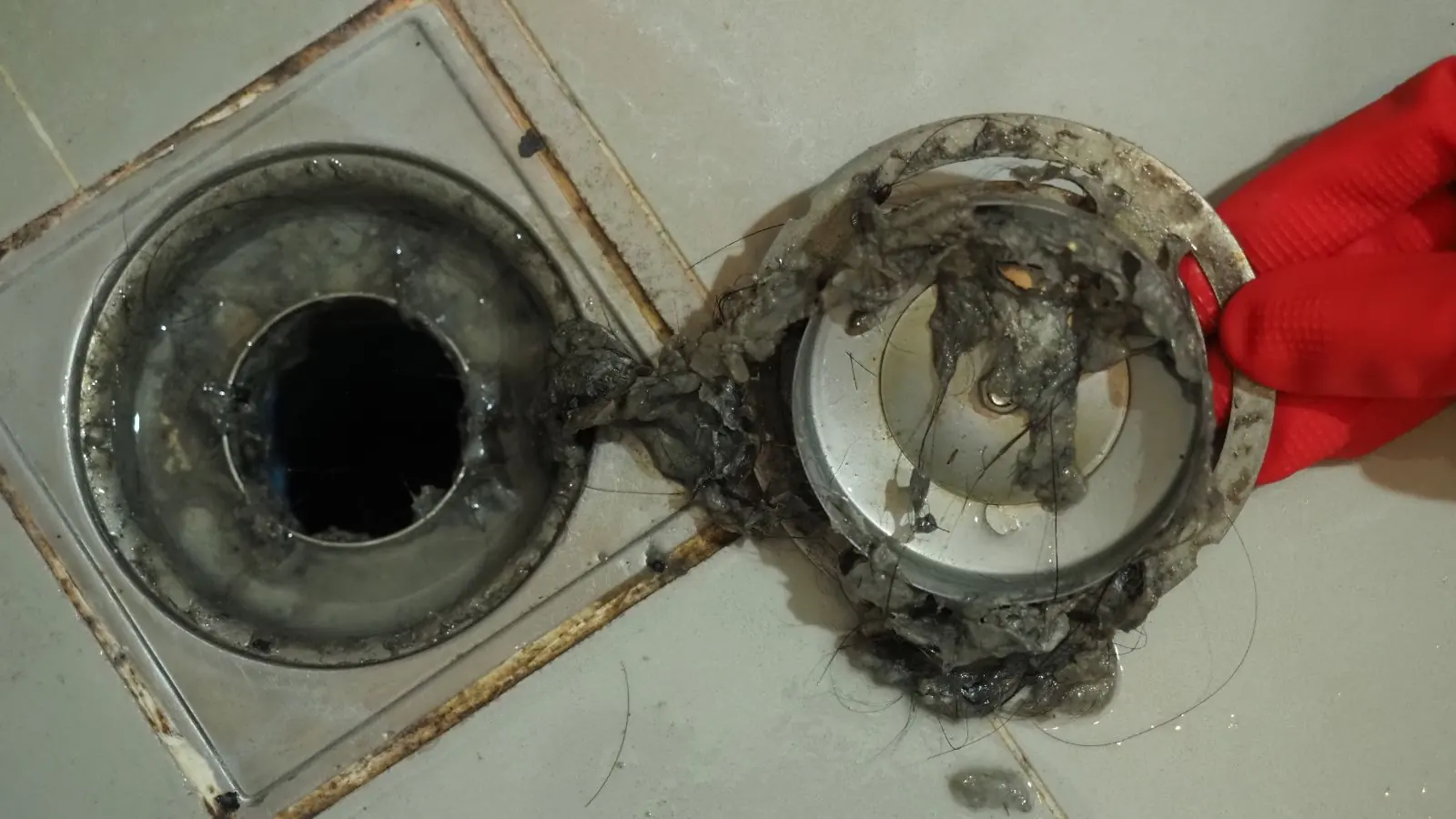
Raw sewage in the house, or a basement drain that is gurgling?
If water or waste is rising from a floor drain, toilet or tub, or if the basement smells like a sewer, you are dealing with a sewer backup. The trade term is Category 3 water. It means the water is grossly contaminated and unsafe to touch. Sewage backup cleanup is the controlled removal, disinfection and drying that follows.
Why backups happen in Lake County towns
Sanitary sewers carry household waste to a treatment plant. In Libertyville, the Village sewer division maintains the sanitary system, including mains and lift stations. Heavy rain can overload leaking lines, and a blockage in the lateral between your house and the main can force waste back into the lowest drain.
Backups also follow tree roots, grease, wipes and collapsed pipes. If the cause is outside your property, notify the Village. If it is inside, a plumber clears the line. Our flood damage page covers surface water events that can overlap with a backup.
Health and safety come first
Sewage carries bacteria and viruses. We wear protective suits, gloves, boots and respiratory protection, and we limit foot traffic. You should leave the area until it has been cleaned and treated.
Do not do this
Do not use household fans, do not run a standard vacuum and do not step in the water barefoot. Those actions can spread contamination.
Children, pets and anyone with a weakened immune system should stay out of the area.
Containment, removal and disinfection
Contain
We seal off the area with plastic and keep air from carrying contamination to clean rooms.
Remove liquid
Pumps and extractors remove sewage. The waste is handled as contaminated.
Remove porous materials
Carpet, pad, drywall and insulation that absorbed sewage are cut out and bagged.
Clean and disinfect
Hard surfaces are cleaned and treated with antimicrobial products suited to the contamination.
Dry and verify
Dehumidifiers and air movers run, and readings confirm the area is ready for repair.
What can and cannot be cleaned
| Material | Typical result | Reason |
|---|---|---|
| Carpet and pad. | Removed. | Porous and cannot be fully disinfected. |
| Drywall touched by sewage. | Removed. | Absorbs contamination. |
| Concrete floor. | Cleaned and treated. | Can be disinfected and dried. |
| Solid wood furniture. | Sometimes cleaned. | Depends on finish and exposure time. |
| Cardboard and paper. | Discarded. | Cannot be sanitized. |
Related drying standards are described on our structural drying page.
What shapes sewage cleanup costs
- Volume of sewage and how far it spread.
- Amount of porous material to remove.
- Level of PPE and containment required.
- Disinfection and odor control.
- Drying time.
Insurance and sewer backups
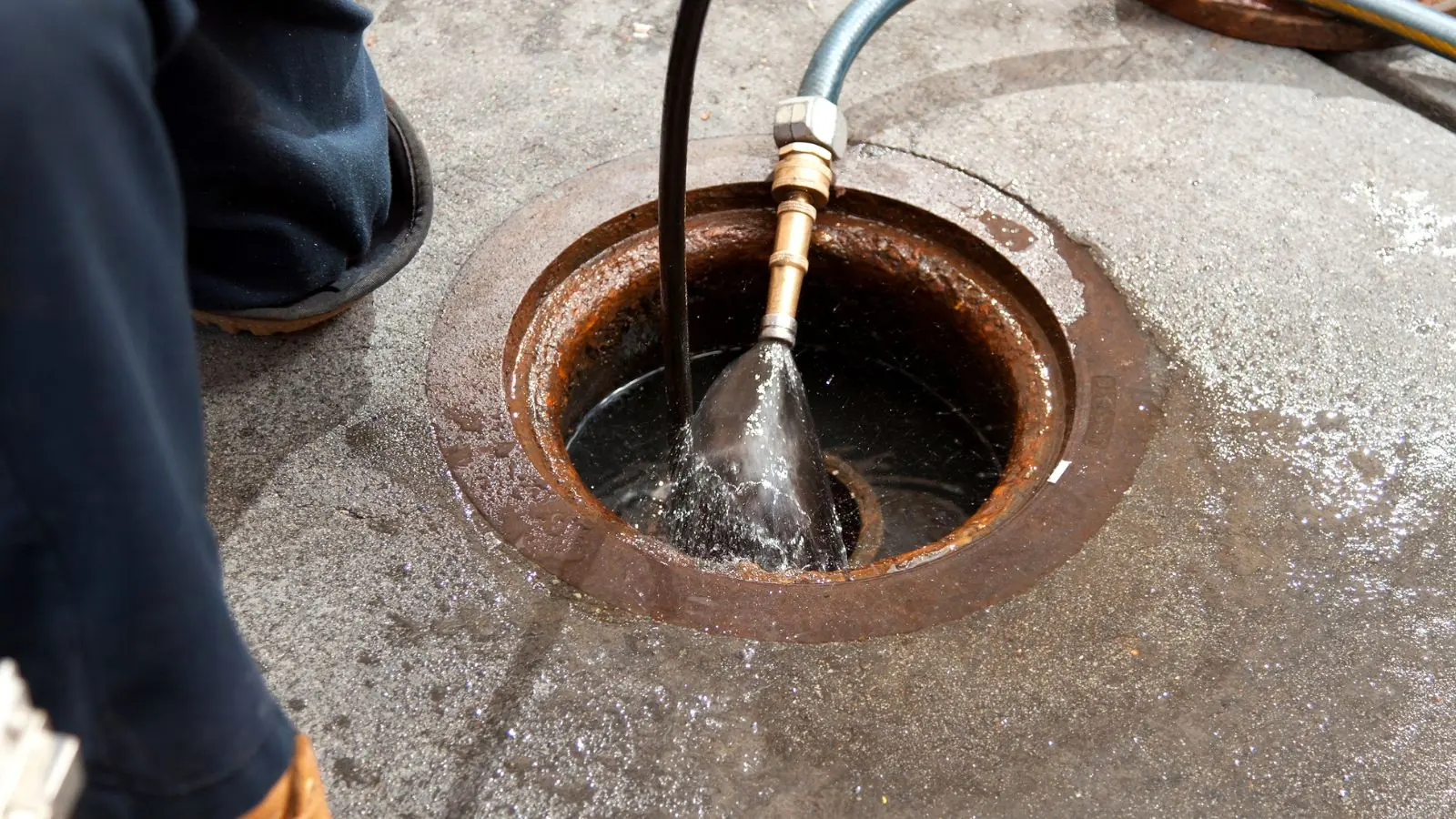
Many homeowners policies exclude sewer or drain backup unless you added an endorsement. Check your declarations page. Report the loss quickly and keep the plumber report. We supply photos, readings and a scope.
After the cleanup: preventing a repeat
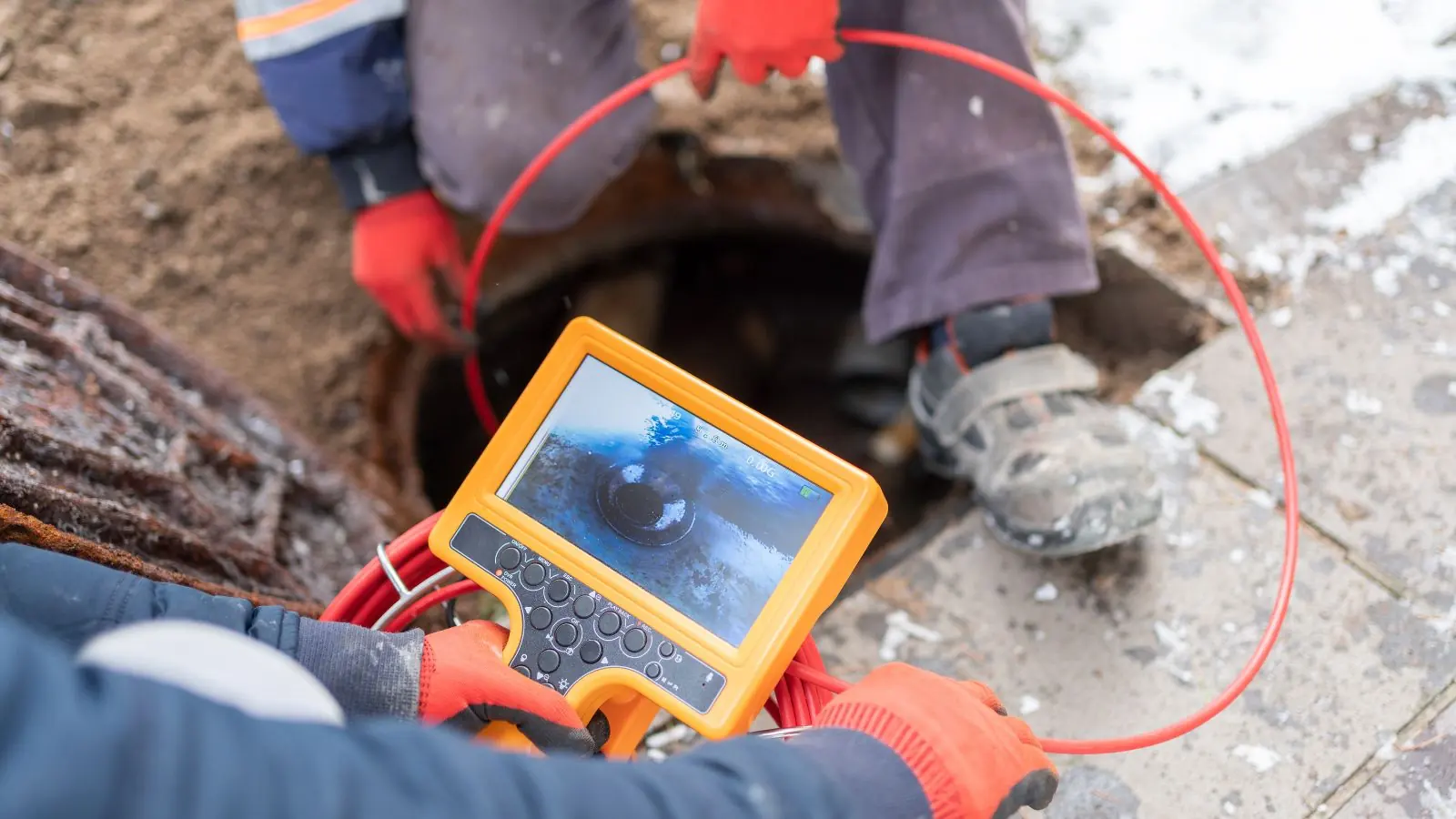
Once the area is clean and dry, talk to a plumber about the cause. A camera inspection of the lateral can show roots, offsets or collapses. A backwater valve may protect the lowest drain from reverse flow, and a plumber can advise whether one fits your home. Avoid flushing wipes or pouring grease, which cause blockages.
Living in the house during a backup cleanup
Most families leave the affected area until it is cleaned, and some leave the house for a night or two. We tell you which rooms are safe, how to keep pets out and how to handle laundry. Wash hands after any contact, keep children away from the work zone and follow the crew instructions about airflow and entry.
Questions we hear
Do you handle sewage backup emergencies at night or on weekends in Libertyville?
Call (847) 368-7353 and describe what is happening. The line tells you what response to expect for your address and conditions, including at night or on weekends.
What if sewage backs up from a basement floor drain?
Stop using water in the house, keep everyone out of the basement and call us. We contain, remove and disinfect, and your plumber finds the blockage.
Is sewage backup the same as flooding?
They overlap, but sewage is Category 3 water, which carries a higher health risk. We use stricter protocols and remove more porous material.
Can I clean it myself?
We advise against it. Sewage contains pathogens, and the right protective gear and disinfection steps are needed to avoid spreading them.
How will you handle the smell?
Removing contaminated materials and disinfecting the surfaces take care of most odor. Air scrubbing may follow.
Does insurance cover this?
Only if your policy includes a sewer or drain backup endorsement. Ask your agent before assuming.