
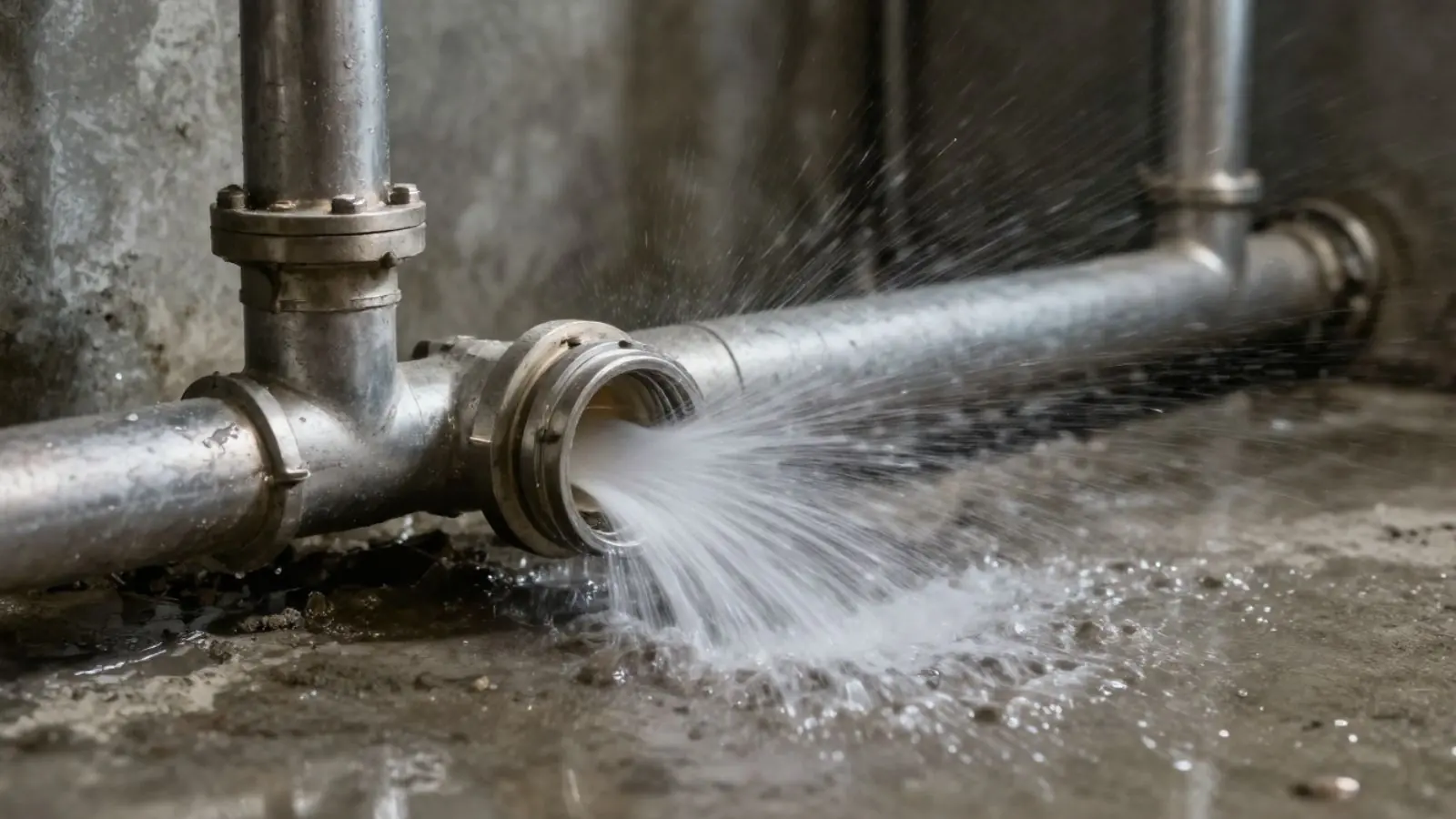
The leak starts when the ice melts
Frozen pipe water damage happens when ice expands inside a supply line, splits the pipe and then releases water as the temperature rises. In northern Illinois winters, a split can sit hidden for hours or days until a furnace cycle or a warmer afternoon turns ice back into flowing water. Emergency response means finding the break, isolating the line and drying everything it soaked.
If you have a trickle, a stain or a faucet that stopped running, call (847) 368-7353 before you start thawing. We can help you plan the thaw so the pipe does not release all its water at once.
Where freezing hits Libertyville homes
Pipes freeze where heat and insulation fail. Exterior walls, garage ceilings, uninsulated crawl spaces, unheated mudrooms and rooms above porches are the usual spots. Hose bibs with attached hoses, sprinkler lines and kitchen sinks on outside walls are repeat offenders.
A furnace failure during a cold snap can freeze a house from the outside in. After such an event, check the water heater room and the basement ceiling as well as the visible fixtures. For a leak that started at the tank, see water heater leak cleanup.
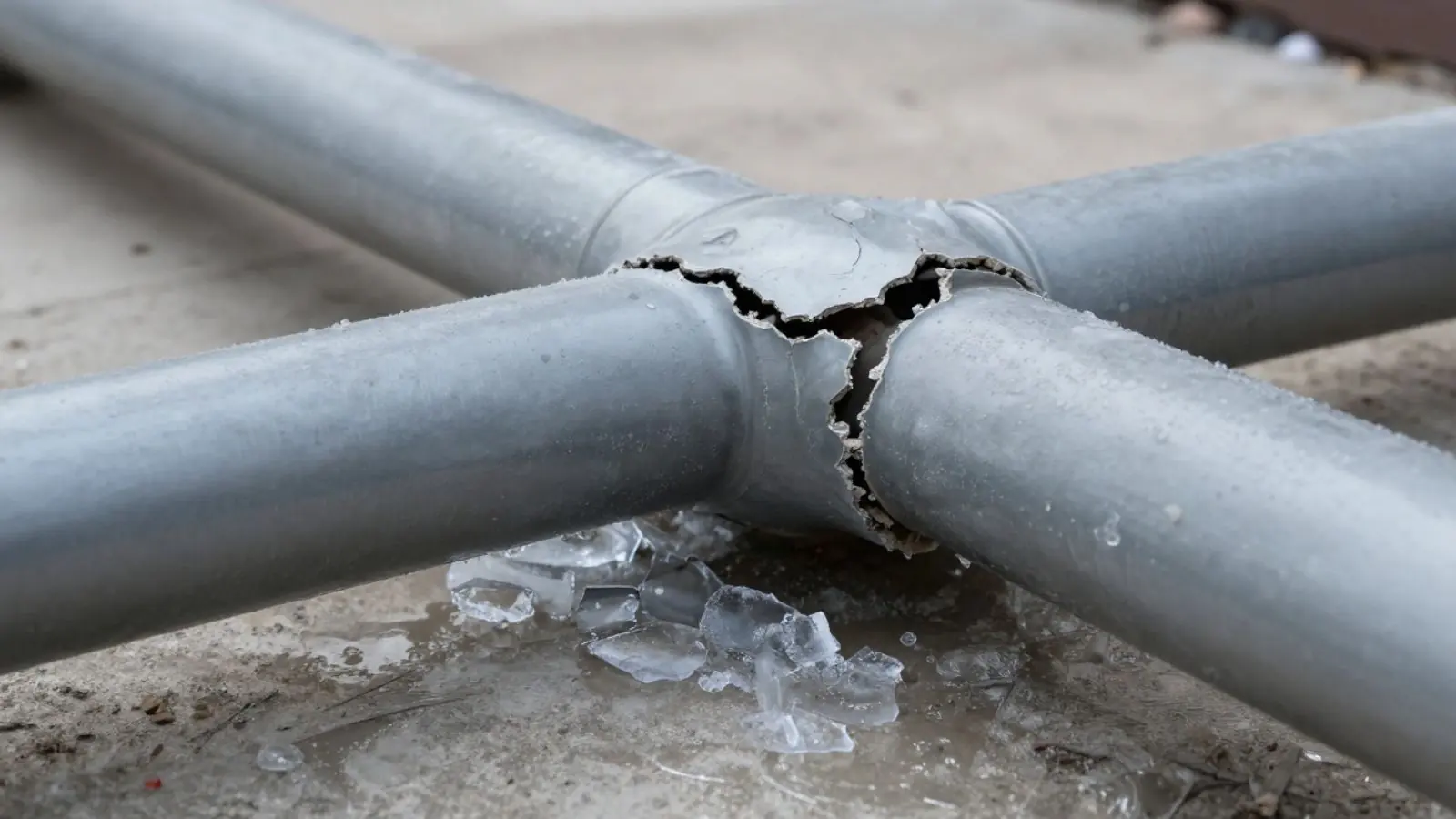
Warning signs before and after the thaw
- No water or only a trickle from a faucet in cold weather.
- Frost on exposed pipe or a bulge in the line.
- A sound of dripping or hissing inside a wall after temperatures rise.
- Wet drywall along an exterior wall or under a sink.
- Ceiling stains below a bathroom or attic run.
- Rattling or banging when water is turned on.
If you can see water already, treat it as a burst pipe and call right away.
How we respond after a freeze break
Map the damage
We locate the break and trace the water with moisture meters and thermal imaging.
Extract
Standing water is removed from floors, and wet pad and loose insulation are bagged.
Open cold cavities
Wall and ceiling sections are opened where the freeze split sits, so air and heat can reach them.
Dry gradually
Dehumidifiers and air movers run while the structure is warmed, avoiding rapid temperature swings that can crack finishes.
Verify and report
Final readings are logged and a repair scope is written for the plumber and the rebuild.
Thaw safely or call first?
Some thawing is safe. Some is not. Here is how the choices compare.
| Option | Why people use it | Watch out for |
|---|---|---|
| Hair dryer on low. | Gentle heat on exposed pipe. | Never leave it unattended near water or cords. |
| Warm towels. | Slow thaw with little risk. | Takes time and works only on reachable pipe. |
| Raise house temperature. | Safe for pipes in heated walls. | May reveal a split by releasing water. |
| Open flame or torch. | Used by mistake in a hurry. | Fire risk and pipe damage, never recommended. |
| Call a plumber and a restorer. | Controls the thaw and prepares for water. | Needs a wait, but limits secondary damage. |
Cost drivers for frozen pipe cleanup
- Number of rooms or floors the thaw water traveled through.
- Whether the break was in an exterior wall, an attic run or a finished ceiling.
- Extent of insulation and drywall that must be removed.
- Days of drying equipment required while the house stays cold.
- Whether the same event damaged multiple pipes.
A written scope lists every room and equipment piece before work starts.
Insurance and frozen pipes
Many policies cover sudden freeze damage but expect you to have kept the home heated. Document thermostat settings, furnace repairs and any power outages. Take photos of the split pipe before the plumber removes it, and tell your insurer the day it happens. Our moisture logs and photographs help show what the thaw soaked. For recurring winter claims, see our notes on structural drying for how we prove dry standards.
Questions we hear
Do you handle frozen pipe emergencies at night or on weekends in Libertyville?
Call (847) 368-7353 and describe what is happening. The line tells you what response to expect for your address and conditions, including at night or on weekends.
Should I thaw a frozen pipe myself?
Only if the pipe is accessible and you are prepared to shut the main first. Use gentle heat such as a hair dryer or warm towels, never an open flame. If you see a crack or any leak, stop and call.
Why did my pipe not leak until it warmed up?
Ice plugs a split pipe. Once it melts, the opening is free and water flows under full pressure. That is why thaw leaks often appear while the owner is away or asleep.
How do I prevent freezing in the future?
Insulate exposed lines, seal gaps around penetrations, disconnect hoses before winter and keep cabinet doors open on cold nights. A plumber can also reroute lines out of exterior walls.
Is a frozen pipe covered by homeowners insurance?
Often, when the damage is sudden and the home was heated. Policies vary, so read the freeze and water damage language and call your agent early.
How long does a cold weather dry-out take?
Cold slows evaporation, so expect a bit longer than in summer. Most jobs run three to six days, and we check readings daily before removing equipment.