
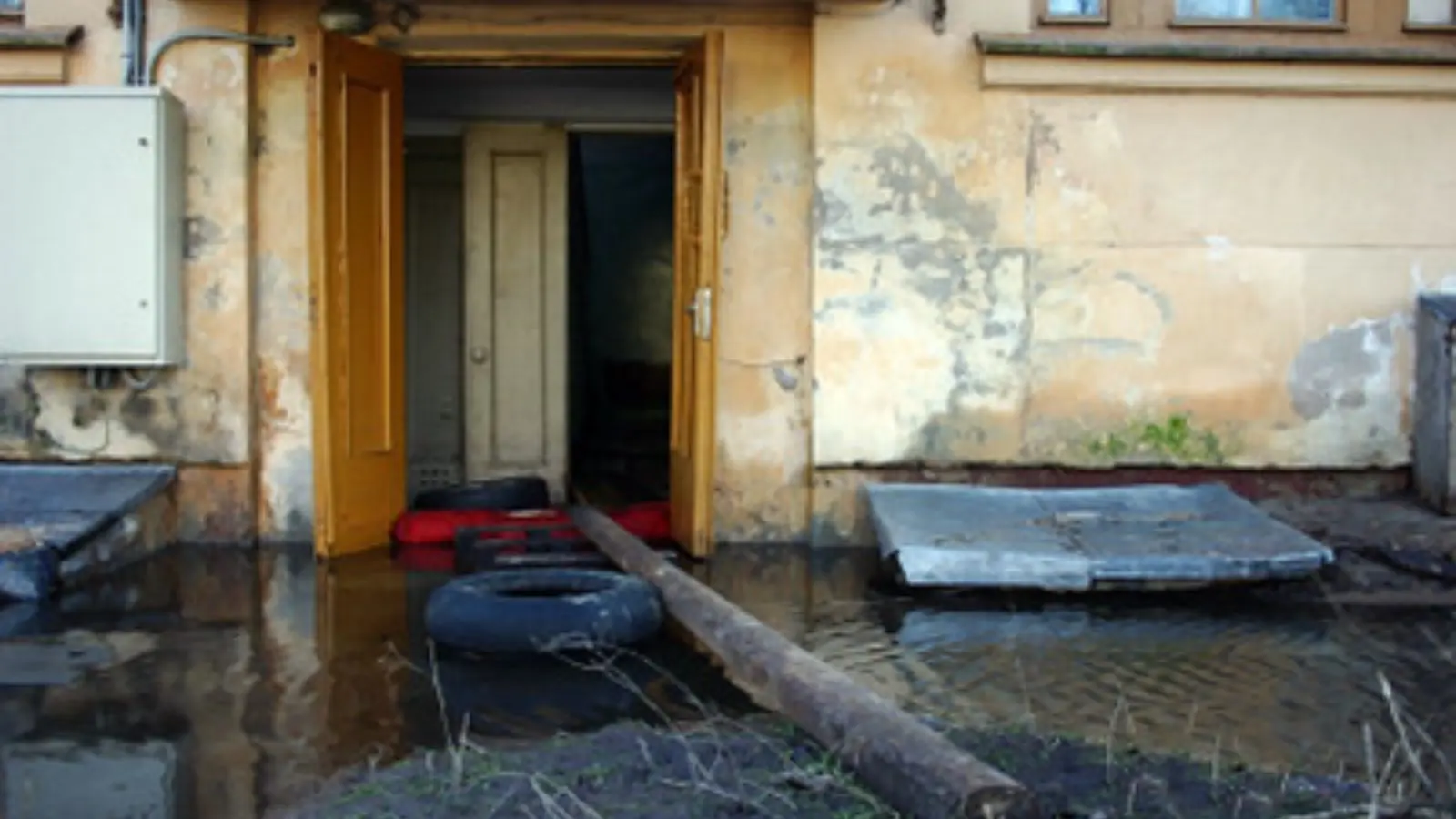
Water damage help downtown and in the Heritage Area
Downtown Libertyville is the village center around Milwaukee Avenue, Cook Avenue, Church Street and Brainerd Avenue. The Heritage Area near Cook Avenue mixes single-family homes and townhomes with older buildings, and Visit Lake County describes it as a place to stroll past turn-of-the-century buildings.
If water gets into a home, a shop or an upstairs apartment here, call (847) 368-7353 and describe the building and the water. A crew can then plan extraction and drying with the building in mind.
A historic district with homes and businesses
The Village of Libertyville reports that the Downtown Libertyville Historic District was listed on the National Register of Historic Places in April 2025. It is also the Village's first locally designated historic district. The Village Historic Preservation Commission works on historic buildings and districts.
The National Register nomination describes a mix of commercial, governmental, recreational and institutional buildings, and the district includes streets that face Lake Street, Cook Avenue, Church Street and Brainerd Avenue. Real estate directory data for the Heritage Area lists homes from a wide range of building years.
Age alone does not tell you whether a building will have water damage, so this page makes no claim about how often it happens. What it does mean is that interiors may include plaster, old hardwood and other finishes that need careful handling.
Flood-zone status
Neighborhood-specific FEMA flood-zone status not verified.
Search a specific address in the FEMA Flood Map Service Center to see how that property is mapped.
Protecting older finishes while you dry
Ask a restoration crew to photograph and measure plaster, trim, floors and built-in features before any are removed. Some can be dried in place. Others have to come out, and a record helps with repairs and with your insurer.
If your building sits inside the historic district, ask the Village whether any approval is needed before changing exterior features during repairs. Emergency drying inside normally has no such question, but rebuilding can.
First steps for a home or storefront
- Stay out of standing water if outlets, cords, appliances or the panel could be touching it.
- Do not switch breakers while standing in or near water. Call the utility or an electrician if the panel is wet.
- Close the main water valve only if you can reach it without walking through water.
- Keep children and pets out of the wet area.
- Photograph the water line, the damaged items and the source before anything is moved.
- Move stock, records or valuables above the water line only if the floor is safe.
For a shop, tell the person who answers what the business does, what must stay protected and when it needs to reopen.
Extraction and drying in an older building
After standing water is removed, moisture meters and thermal imaging help find water in walls, under floors and above ceilings. Dehumidifiers and air movers are placed so air reaches wet cavities without stripping more finish than necessary.
Multi-story and mixed-use buildings add a step. Water moves downward, so ask whether the units and rooms below the source were checked.
Insurance and records
Coverage depends on the cause of the loss and on your policy. For a business, check whether a commercial property policy or the landlord's policy responds, and who must report the loss. Keep dated photographs, readings and a written scope of work.
Related services
- Commercial water damage restoration for storefronts and offices.
- Burst pipe water damage
- Ceiling water damage repair for leaks from the floor above.
- Structural drying and dehumidification
Questions we hear
What counts as downtown Libertyville?
This page uses the village center around Milwaukee Avenue, Cook Avenue, Church Street and Brainerd Avenue. The Village publishes a map of the historic district boundary.
Does the historic listing change emergency drying?
Emergency drying inside a building usually raises no approval question. Exterior changes during rebuilding may, so ask the Village Historic Preservation Commission before repairs.
Can plaster walls be dried instead of replaced?
Sometimes. It depends on how long they stayed wet and whether the water was clean. Moisture readings and a visual check decide.
A pipe broke in the apartment above my shop. Who handles it?
Stop the water if you can do so safely, photograph the damage and tell your insurer and the building owner. Cleanup and the repair of the pipe are separate jobs.
Do you work in both homes and businesses downtown?
Call and describe the building. The person who answers confirms whether the job type fits what the service area can handle.