
The short version
- The water type decides the answer: clean, gray or contaminated.
- Hard goods clean up well and soft goods in contaminated water usually go.
- Photograph and list items before you discard them.
- Cardboard, mattresses and upholstery in flood water should be thrown away.
- Irreplaceable items can be set aside for a specialist.
Start with the type of water
Everyone wants to save what they can, and a lot is savable. The deciding factor is the water that touched it. Restoration professionals use three categories. Category 1 is clean water from a supply line. Category 2 is gray water, such as washing machine discharge. Category 3 is grossly contaminated water, including sewage and river floodwater.
The same couch can be dried after a clean pipe leak and discarded after a sewage backup. Ask yourself where the water came from before you decide anything else. If you are unsure, call (847) 368-7353 and we help you classify it.
A sorting guide by material
| Item | Clean water | Contaminated water |
|---|---|---|
| Solid wood furniture. | Dry and keep. | Clean if the finish is intact, otherwise discard. |
| Upholstered furniture. | Often dried or cleaned. | Discard. |
| Mattresses and pillows. | Often discard if soaked. | Discard. |
| Books and papers. | Freeze or dry quickly. | Discard unless irreplaceable and professionally treated. |
| Clothing and linens. | Wash. | Wash hot or discard. |
| Plastic, glass and metal. | Clean and keep. | Wash and disinfect. |
| Cardboard boxes. | Discard once wet. | Discard. |
| Appliances. | Have a technician check. | Discard if the water reached the motor or controls. |
Treat this as a starting point. A professional contents cleaning team can often save more than you expect.
Building materials, by water type
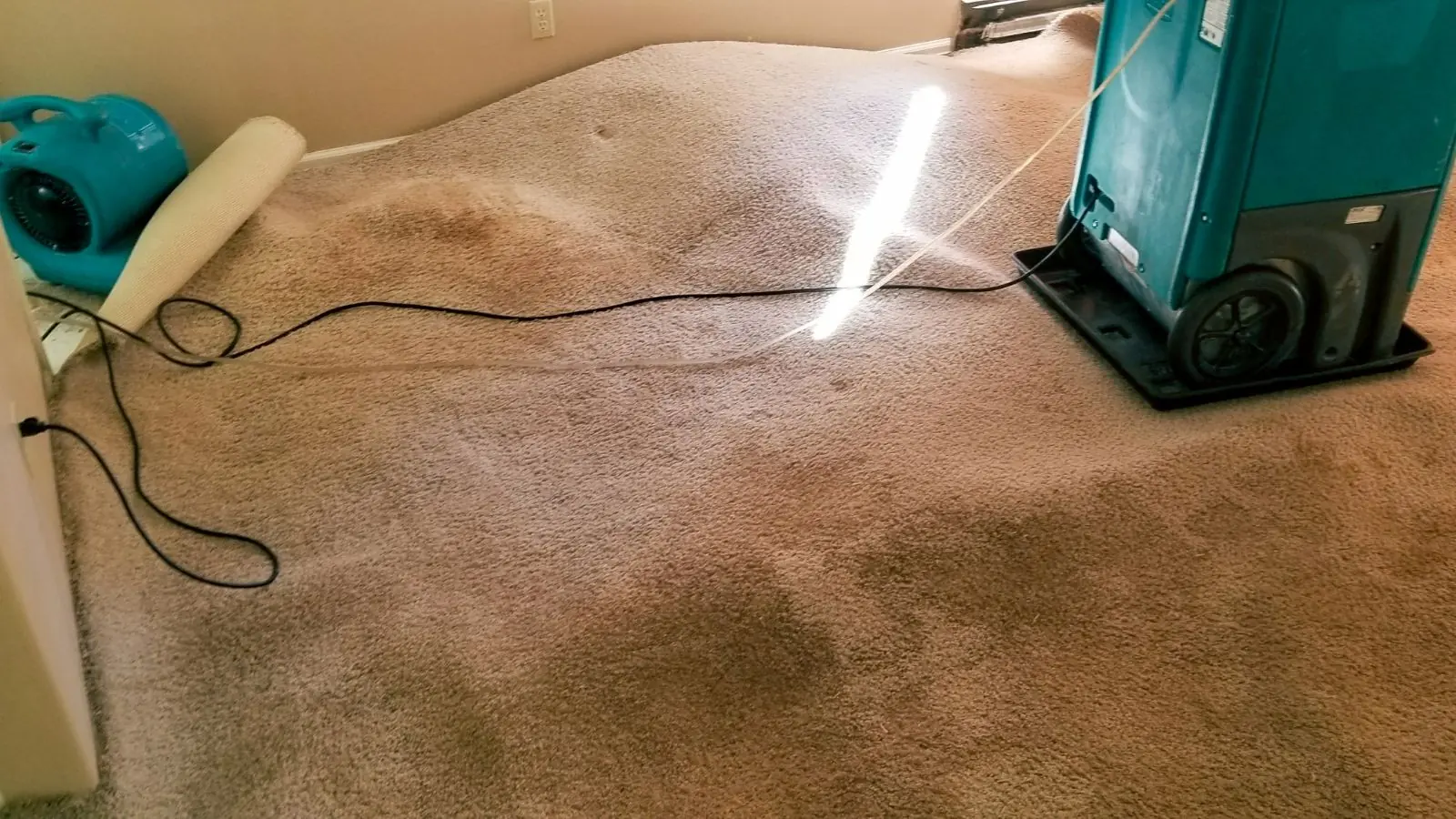
Carpet and pad
Clean-water carpet can often be dried. Pad is usually replaced. Contaminated carpet is discarded.
Drywall and insulation
Wet insulation is usually replaced. Drywall that stayed wet or touched contaminated water comes out.
Hardwood
Can sometimes be dried if the water was clean and the response was fast.
Cabinets
Solid wood may dry. Particleboard that swelled does not recover.
Our carpet page and hardwood page go into the details for floors.
Document before you discard
Throwing things out is easier when you have a record. Photograph every item before it goes into a bag. List it in a notebook or spreadsheet with its approximate age and value. Keep small samples of flooring or fabric if the adjuster might need to see them.
- Photograph or video items in place before moving.
- Write the item name, brand, age and estimated value.
- Keep receipts if you have them.
- Hold large items for the adjuster if you can safely store them.
- Dispose of anything unsafe immediately and photograph it first.
In Libertyville: river floodwater is treated as contaminated
The National Weather Service recorded the Des Plaines River at 16.36 feet in Lincolnshire on April 19, 2013 and at a record 16.53 feet on July 14, 2017. Water from a river rise like those is overland flood water. It carries soil, runoff and sometimes sewage, so soft goods that sat in it are normally discarded.
If your home is near the river corridor in Lincolnshire or in Libertyville itself, assume river water is contaminated until proven otherwise. A stormwater surcharge in a sewer can create the same condition inside a basement. For how contaminated spaces are handled, see sewage backup cleanup.
When to ask for help sorting
If you are overwhelmed, ask the restoration crew. They can pack out contents, clean what is savable and log what is discarded. You get a clear list and a cleaner house.
Cleaning methods that work and ones that do not
Washable items can often be saved. Launder clothing and linens in hot water with detergent after clean water exposure. Wash hard surfaces with a detergent solution, rinse and let them dry fully. Disinfect only when needed, and follow label directions.
Do not mix cleaners, and do not use bleach on porous materials. Avoid cleaning a space that is still wet, because moisture and cleaning agents together can leave residue. For electronics, see the guidance in our other articles and do not power items on until a technician checks them.
When in doubt about an irreplaceable item, set it aside and ask a conservator or a contents restoration specialist. A short delay is better than a mistake you cannot reverse.
Keeping the paperwork for discarded items
Make a list as you sort. Write what the item was, its approximate age and its value. Take a photograph before it goes into a bag. If the adjuster wants to see an item, set it aside in a garage or on a porch. Most policies pay based on a documented list, so the list is worth the effort.
Our carpet water damage page and kitchen water damage page describe how we log materials removed from the building itself.
A simple way to sort when you are tired and stressed
Sort in three piles. The first pile is items that are dry or only splashed and can be wiped and kept. The second pile is items worth a closer look, such as framed art, books and small appliances. The third pile is anything soaked by contaminated water that is porous or cannot be fully cleaned.
Photograph the third pile before it leaves the house, and list each item with its approximate age and cost. Your insurer may ask for that list, and it is far easier to build it while the items are still in front of you.
Food, medicine and household chemicals
Food that touched flood water or sewage should be thrown away. That includes anything in packaging that cannot be sanitized, such as cardboard, foil pouches and screw caps. Cans can be saved if they are washed and disinfected, but swollen or damaged cans should go. When a refrigerator loses power, food safety guidelines apply, so check the temperature before you decide.
Medicines, cosmetics and personal care items exposed to flood water should be discarded. Ask a pharmacist about prescriptions that you cannot afford to lose. Household chemicals that leaked or floated need careful handling. Do not mix them, and call your local household hazardous waste program for disposal guidance.
Children's toys, pet bedding and soft items need the same attention as other soft goods. Hard plastic toys can be washed and disinfected. Stuffed animals that touched contaminated water usually go.
Local questions
Can a mattress be saved after a clean leak?
Rarely if soaked. A damp edge may dry, but a soaked mattress holds water and odor. Replace it if in doubt.
Should I throw out wet cardboard storage boxes?
Yes. Cardboard wicks water, grows mold and cannot be cleaned. Move contents to plastic bins.
Are family photos always lost?
Not always. Freezing them quickly buys time, and a conservator can often dry them. Do not peel stuck photos apart.
What about wet electronics?
Do not power them on. Unplug them, keep them off, and have a technician check them before use.
Will the Village pick up water-damaged items?
Check your waste hauler or the Village public works department for bulk and flood debris rules before curbside placement.