
The short version
- A scope should read like a room by room checklist you can walk through.
- Look for the water category, the drying plan, removals, repairs and exclusions.
- Changes should be written, priced and approved before work is done.
- Photos attached to the scope settle most disputes.
- Ask your village which permits apply before the rebuild starts.
What a scope of work really is
A scope of work is the document that lists what the contractor will do, where, with what and for how much. After a water loss, it is usually the basis for the insurance estimate, the contract and the final invoice. If it is vague, disputes follow. If it is specific, everyone knows what to expect.
Good scopes read like a room by room checklist. You can walk through the house with the document and see each item. If you cannot, ask for more detail before you sign.
A sample structure to look for
| Part | What you should see | Why it matters |
|---|---|---|
| Site description. | Address, rooms, floor, water source. | Defines the job. |
| Water category and class. | Clean, gray or contaminated, and evaporation load. | Drives protection and drying. |
| Mitigation tasks. | Extraction, removal, protection. | Shows early work. |
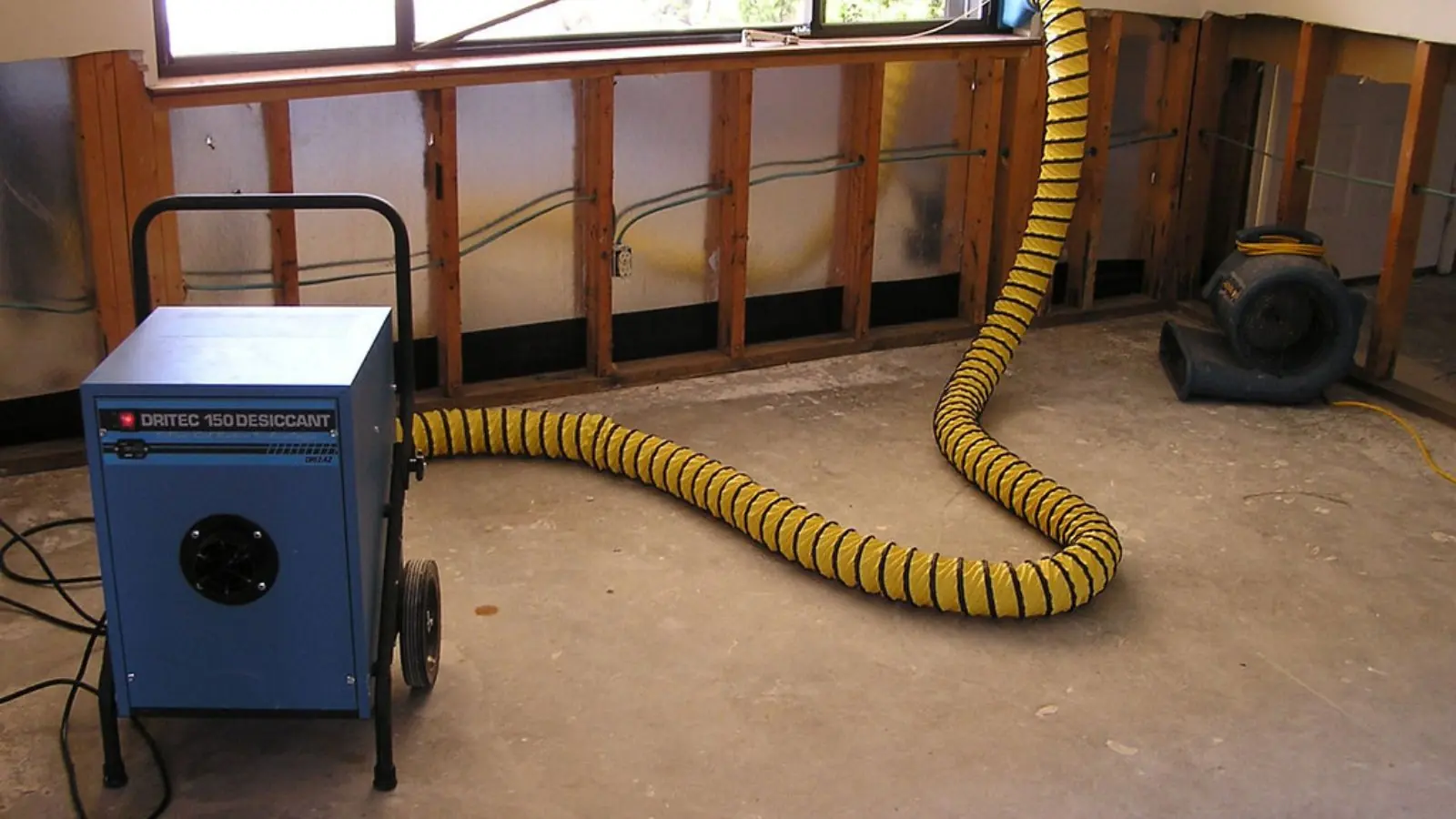
| Drying plan. | Equipment count, days and monitoring. | Shows what drying means. |
| Removal list. | Materials to be removed by room. | Clarifies what is gone. |
| Repair list. | Drywall, paint, flooring, trim. | Shows rebuild expectations. |
| Exclusions. | What is not covered. | Avoids misunderstandings. |
Read the exclusions closely. They show what you may need another trade for, such as plumbing, roofing or electrical.
Questions to ask about the scope
- What readings justify each removal?
- How many dehumidifiers and air movers, and for how many days?
- Who handles permits, if any are needed?
- What happens if the drying goal is not met in the planned time?
- Is rebuild included, and if so, what grade of materials?
- How will changes be approved and priced?
We discuss these topics on the phone at (847) 368-7353. Our wall and drywall repair page explains how cut lines and drying decisions are made.
Scope creep, and how to handle it
Scopes change when new damage is found. A moisture reading in a wall bay that looked dry yesterday, a hidden leak or an old pad that fell apart are all examples. The question is not whether a change is allowed but how it is handled.
- The contractor tells you before doing additional work.
- The change is written and priced.
- You approve it, or you have a chance to ask questions.
- The drying log shows why the extra work is needed.
In Lake County: scopes that touch drainage or permits
The Lake County Watershed Development Ordinance regulates new development, some home additions and redevelopment. County guidance says that if you plan to develop in a certified community, you obtain a permit application from the municipality, and that a certified community may include the watershed permit within its own building permit procedures, so you should check with the community.
A water damage scope that includes regrading, a new sump discharge or work in a floodplain should note who handles permits. Lake Bluff has also adopted its own amendments to the international residential code, so rebuild items there may follow local requirements.
Ask your village before work begins. Our service pages for Lake Bluff and Lincolnshire note local points.
Keep the scope with your claim file
Save the original, every revision and the final. Match them to the invoices and the drying log. If you sell the home later, a buyer or inspector may ask for the records. A clear paper trail also helps if a problem appears after the repair.
A room by room example of how a scope reads
Take a finished basement with a burst pipe. A readable scope lists the laundry room, the family room and the hallway as separate sections. Under each room it lists the materials affected, such as carpet, pad, lower drywall, baseboard and insulation. It says what will be removed, what will be dried and what will be replaced.
It also lists the equipment and days for drying, the cleaning steps and the documentation. At the bottom it lists items that are not included, such as plumbing repair or painting beyond the repaired areas. When you can read it that way, you can check it against the damage you see.
Why photographs belong in the scope
A scope with photographs is stronger than a scope without. Photos of the damage show why an item is removed. Photos of the removal show it was done. Photos of the finished work show it was completed. Ask your contractor to attach photographs to the scope or to the final report.
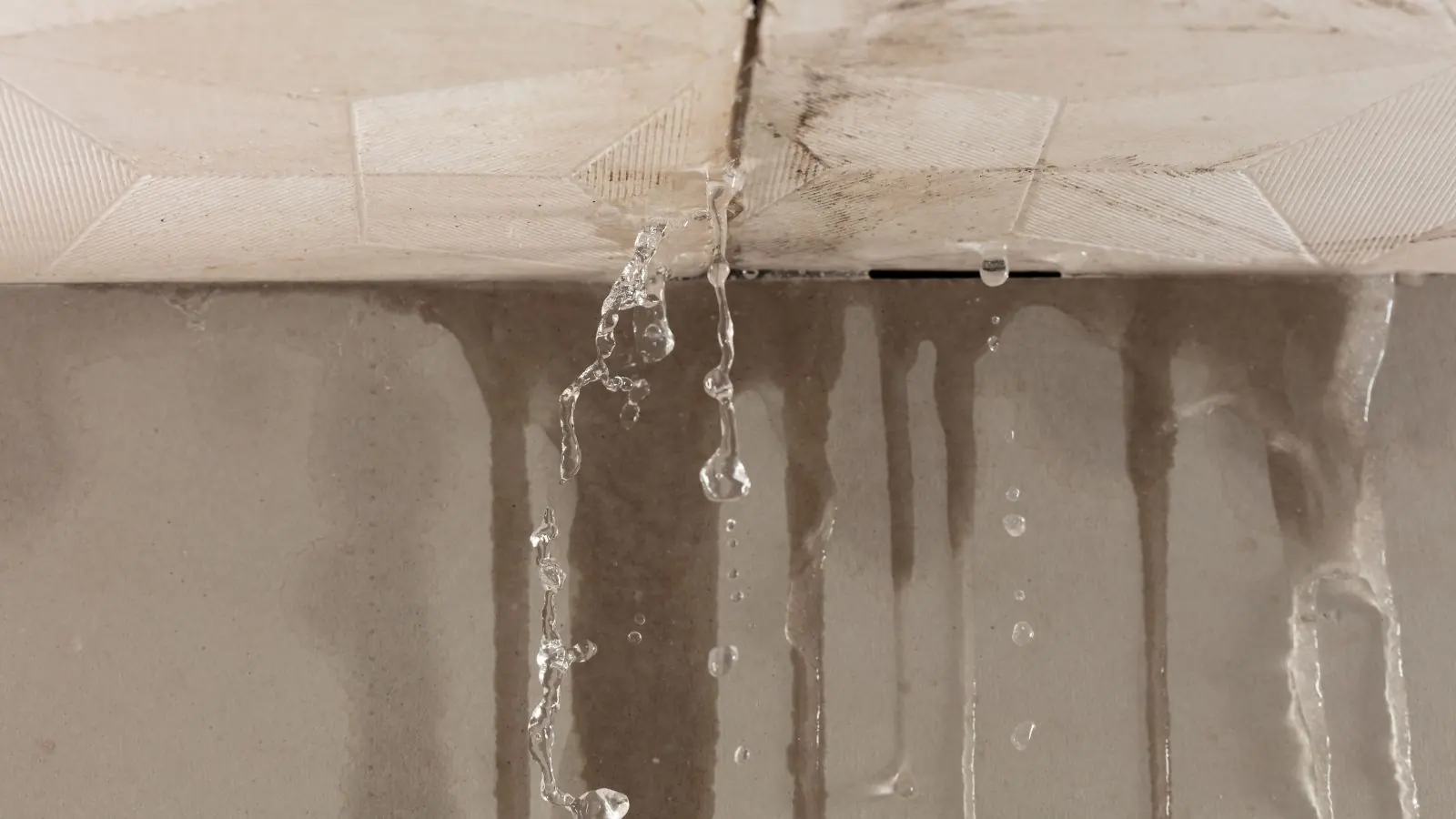
This helps with insurance too. An adjuster can check a line against a picture, and a dispute becomes easier to resolve. For wall and ceiling items specifically, our ceiling water damage repair page shows how those line items are described.
Questions to ask when you read a scope line by line
Read each line and ask what it covers, where it applies and how it will be verified. A line that says "dry structure" should name the rooms, the equipment and the reading that tells the crew drying is done. A line that says "remove damaged materials" should say which materials and why they cannot be dried in place.
Ask what is not included. Many disputes start with an item that one side assumed was in the scope and the other side never priced. Painting, trim, flooring and contents cleaning are common examples. If something is excluded on purpose, the scope should say so in plain words.
Finally, ask how changes are handled. Hidden moisture sometimes turns up behind a wall once it is opened. A good scope explains who approves added work, how it is priced and how it is recorded, so the final invoice has no surprises.
The industry reference behind a scope
For reference, the IICRC S500 standard is the published industry guide for professional water damage restoration. It defines water categories and drying classes, so a clear estimate or scope should name both and tie the drying phase to moisture readings.
Signing, changes and the final walkthrough
Do not sign a scope you have not read. Take a few minutes to go through it room by room, and mark questions. Ask the contractor to explain any line you do not understand. If a contractor will not wait while you read, that is useful information too.
During the job, expect changes to be written down. At the end, do a walkthrough with the contractor and compare the work with the scope. Note anything unfinished and agree on a date. Keep the final version of the scope with the invoice and the drying log. If a problem appears months later, those papers settle most questions quickly. Our structural drying page shows what the final log contains.
Local questions
Is a scope the same as an estimate?
They are related. The scope lists the work, and the estimate puts a cost on it. In practice they are often one document.
Can I ask for changes to the scope?
Yes. You can add, remove or change items, but removing drying steps can leave moisture behind.
Do I need a separate scope for plumbing?
Often yes. The plumber repairs the pipe under a separate agreement.
What if my adjuster has a different scope?
Compare line by line and ask for the reasons behind differences.
Does Lake Bluff have local code changes that affect rebuilding?
The Village has adopted amendments to the international residential code. Ask the Village building department what applies to your repair.