
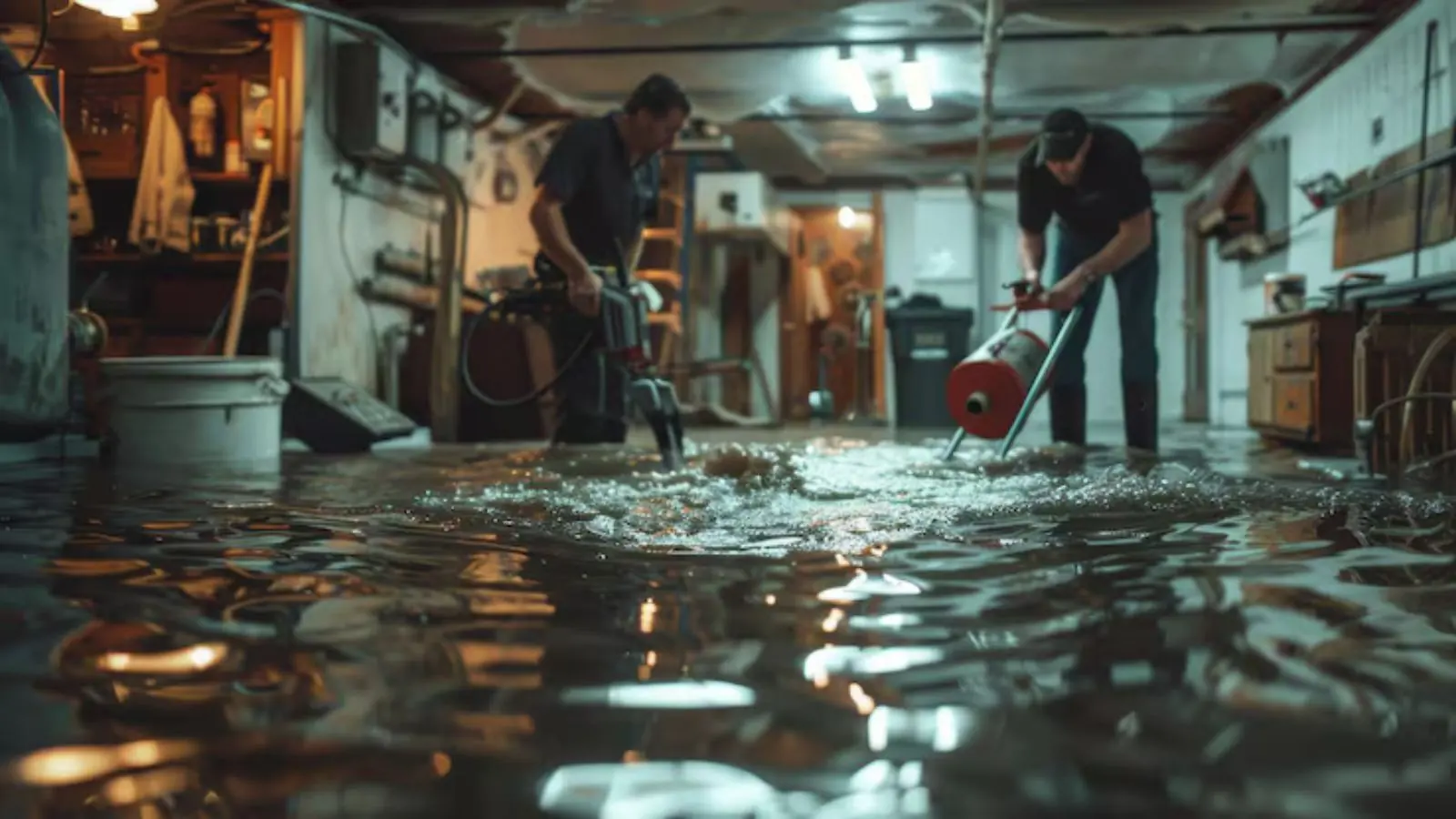
The short version
- An estimate is a projection from what the crew can see on day one.
- Drying days, water type and removal decide most of the cost.
- Compare scopes line by line, not just totals.
- Ask how changes are approved and priced before work starts.
- A range is fine when the assumptions behind it are explained.
What an estimate is and what it is not
A water damage restoration estimate is a written projection of the work and cost based on what a crew can see at the time. It is not a promise that nothing will change. Water hides in walls and under floors, and the final scope can grow or shrink as readings come in. A good estimate says so and explains how changes are handled.
This page explains what is in a typical estimate, the factors that move the number and how to compare two estimates without being misled by totals. We do not publish prices on this site, because water damage varies too much for a fair single number. Call (847) 368-7353 to talk about your loss.
The parts of a typical estimate
| Section | What it covers | Question to ask |
|---|---|---|
| Emergency services. | Water shutoff help, extraction, protection. | Is this billed by time or by the job? |
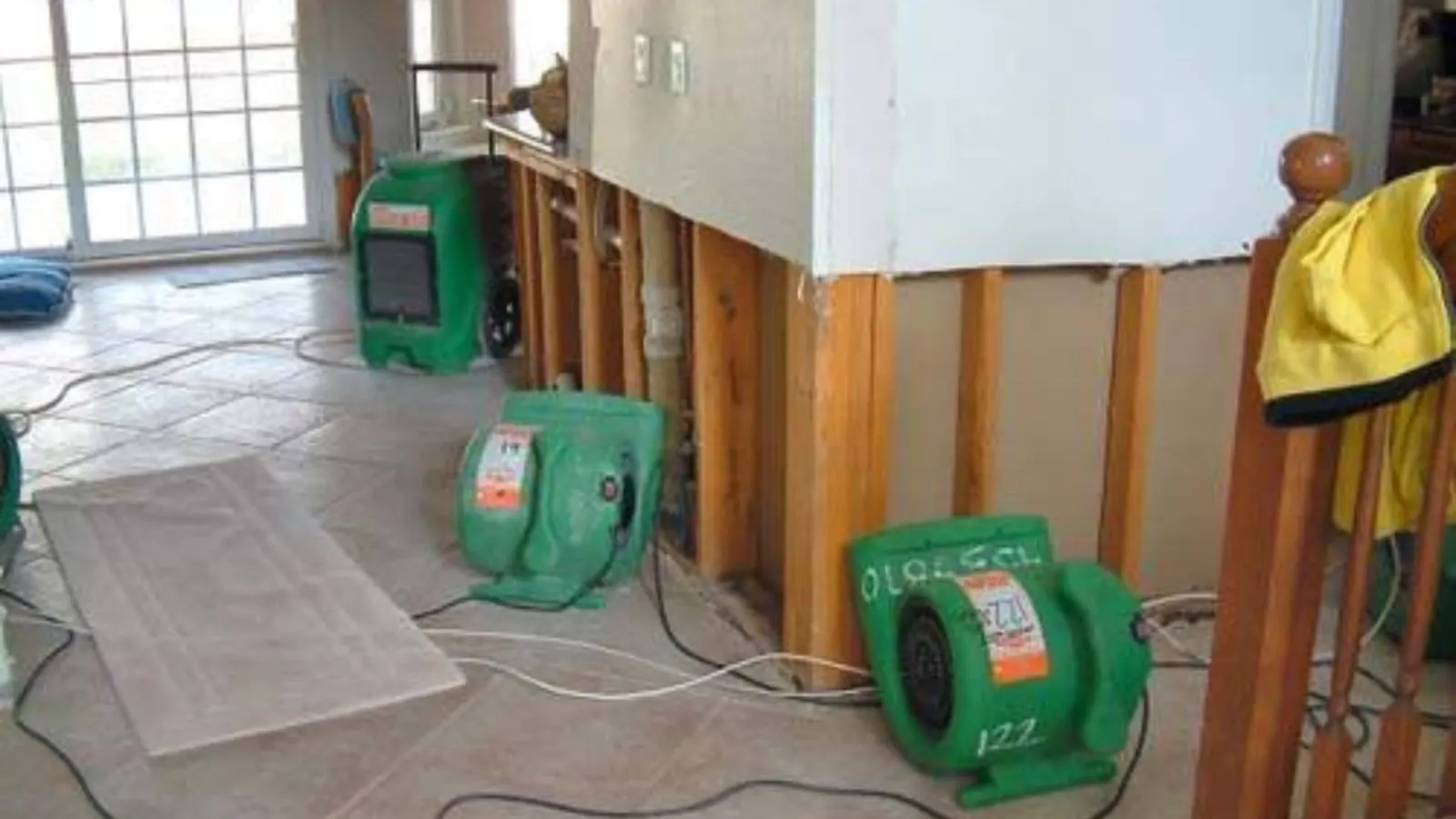
| Drying. | Equipment, days and monitoring. | How many units and how many days? |
| Removal. | Materials taken out, such as pad or drywall. | Why must each item be removed? |
| Cleaning. | Antimicrobial and contents cleaning. | Which surfaces and how many rooms? |
| Repair. | Drywall, paint, flooring, trim. | Is this included or separate? |
| Documentation. | Photos, logs, reports. | What will I receive? |
What moves the number
- The size of the area and the number of floors affected.
- The water category, since contaminated water adds protection, removal and disinfection.
- How long the materials stayed wet before drying began.
- The kinds of materials: hardwood, plaster and concrete dry slowly.
- Equipment days required.
- Access, parking and the time of day the crew is called.
- Whether contents need to be moved or cleaned.
Most of these are visible on day one, but not all. Moisture mapping tells the rest. See our water extraction page for how the first visit is structured.
How to compare two estimates
Totals alone mislead. Two companies can reach similar numbers with very different scopes. One may remove less drywall but dry longer. Another may include repair that the first leaves out. Put the scopes side by side and compare line by line.
List the phases
Mitigation, drying, removal, cleaning, repair.
Compare equipment and days
More equipment for fewer days or fewer units for longer.
Check what is removed
Ask why each item is removed and what readings support it.
Check what is missing
Look for repairs, cleaning or documentation left out.
Ask about changes
How are scope changes approved and priced?
Insurance and the estimate
If you file a claim, the insurer will write its own estimate. The numbers will rarely match line for line. Ask the adjuster to explain differences and share the drying log. A well documented estimate makes a supplement request easier if the scope grows.
Remember that your insurer may not cover every item. Policies exclude certain causes, and deductibles apply. Our structural drying page shows how logs back up the work.
In Libertyville: a hidden leak can show up on your water bill
The Village of Libertyville water division monitors and records water use and responds to questions about water usage. If your bill jumps for no clear reason, a hidden leak may be running, and that is a reason to check for moisture before you price any repair.
Use the Village water and sewer billing department to review your account history, and call a restoration crew if you find signs of moisture. In Lincolnshire and Lake Bluff, contact your own village for account questions.
A pattern of high usage plus musty smell or stains is a good reason to ask for a slab leak or wall moisture check.
Why estimates and invoices sometimes differ
It is normal for the final invoice to differ from the first estimate. Drying time depends on how fast the readings drop. Hidden damage appears when walls are opened. A job that dries in three days costs less than one that needs six. A fair company explains these changes as they happen, not after the fact.
Ask whether the estimate is a fixed price or a time and materials approach. Fixed prices give certainty but may include a cushion. Time and materials approaches track actual work but can move. Neither is wrong, and the key is that the method is clear before work starts.
A simple worksheet to compare bids
- Total for emergency services and extraction.
- Number of dehumidifiers, air movers and days planned.
- List of materials to be removed, by room.
- Cleaning and contents handling.
- Repair and rebuild items, and who does them.
- Payment schedule and any deposit.
- Documentation you will receive.
Fill the same list for each company. The differences usually show up in drying days and in what is left out. Our water extraction page explains which costs are tied to the first visit.
The industry reference behind a fair estimate
For reference, the IICRC S500 standard is the published industry guide for professional water damage restoration. It defines water categories and drying classes, so a clear estimate or scope should name both and tie the drying phase to moisture readings.
When the first number is a range
Some companies give a range at first and tighten it as readings come in. That can be honest, especially when the loss is large or the hidden damage is unknown. A range is more useful when it comes with an explanation: what sits at the low end, what pushes it to the high end and when you will know.
Ask for the assumptions behind the range. If it assumes the drywall can be dried in place, it will rise if the board must be removed. If it assumes five days of equipment, it will change if readings stay high. When the assumptions are clear, the final number is rarely a surprise.
Local questions
Can you give me a price over the phone?
We can explain the process and the cost factors. A real number needs readings and a look at the damage, since water hides.
Why did the estimate change after drying began?
Readings often reveal wet areas that were not visible. A good company explains the change and gets your approval before adding work.
Is the lowest estimate the best?
Not necessarily. Compare scope, equipment and documentation, not just the total.
Do I pay before the work is done?
Terms vary. Ask for the payment schedule in writing and keep copies.
How does the Village of Libertyville handle leak-related bill questions?
The Village water division responds to usage questions, and the billing department handles accounts. Contact them with your account details.