
The short version
- Mold needs moisture, food and time, and wet drywall supplies all three.
- Risk climbs after the first two or three days of dampness.
- Surface dryness hides wet cavities, so measure moisture.
- Illinois registration rules for mold companies are not yet in effect.
- Fast extraction and drying prevent most mold.
Why a leak turns into mold
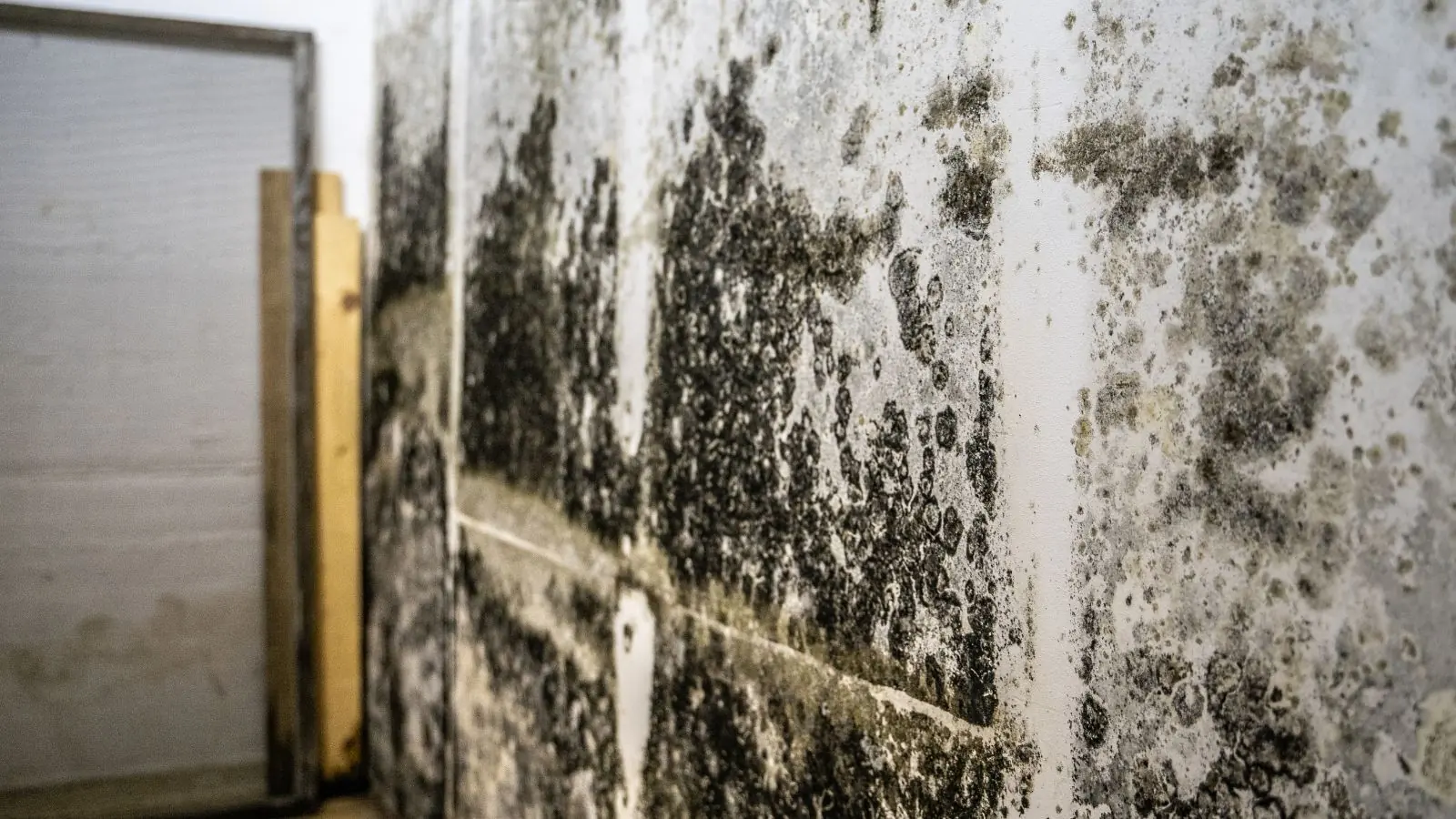
Mold spores are everywhere in indoor and outdoor air. What they need to grow is moisture, a food source and time. After a water event in a Libertyville home, drywall paper, wood framing, carpet pad and cardboard supply the food, and wet conditions supply the moisture. If the materials stay damp, growth can start within a couple of days.
That is why restoration crews dry quickly and measure moisture, rather than relying on how a surface looks or feels. Surface dryness often hides wet cavities. Our structural drying page explains the process in detail.
A rough timeline of what happens when materials stay wet
| Time wet | What is happening | What to do |
|---|---|---|
| First day. | Materials absorb water, odor may begin. | Extract and start drying immediately. |
| Days 2 and 3. | Risk rises in porous materials like pad and drywall paper. | Keep dehumidifiers running and verify readings. |
| Days 4 to 7. | Visible growth may appear in damp, undisturbed areas. | Remove materials that cannot dry, consider containment. |
| Beyond a week. | Growth can spread into cavities and framing. | Plan remediation and fix the moisture source. |
These are general patterns, not guarantees. Temperature, humidity and material type change the pace.
Where mold hides after a leak
- Behind baseboards and cabinet toe kicks.
- Inside wall cavities beside a leaking pipe.
- Under carpet pad and on the back of carpet.
- On the top of ceiling drywall after a roof leak.
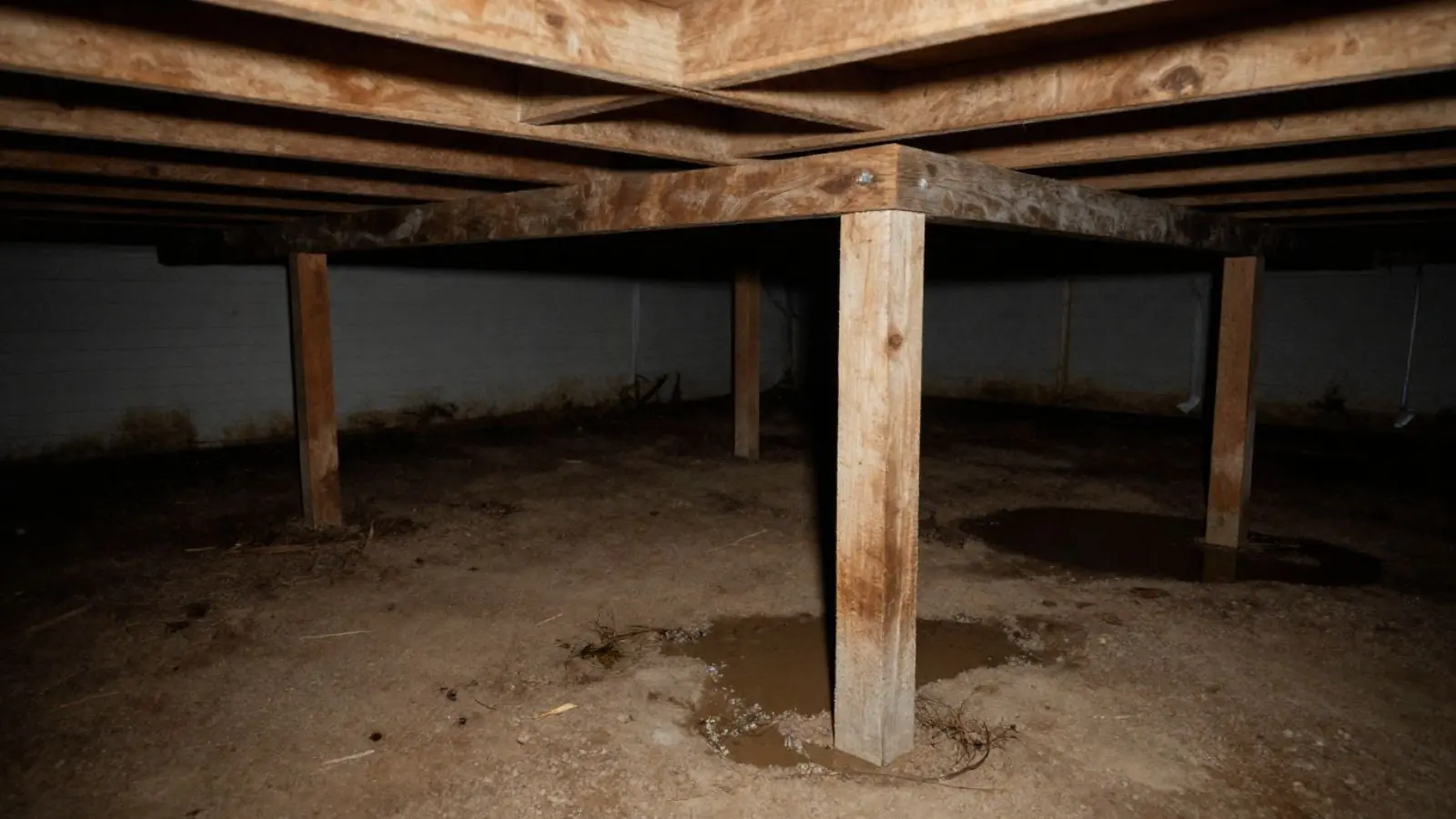
- In basement corners where cold walls meet damp concrete.
- Along the underside of subfloors above a crawl space.
A musty smell without visible growth is a clue. Check for hidden moisture before deciding what to do.
What to do and what to avoid
Do fix the water first
Stop the leak, extract and dry. Without that, any cleanup fails.
Do not paint over stains
Paint traps moisture and hides the problem.
Do limit disturbance
Scrubbing or sanding moldy material can release spores into the air.
Do call for an assessment
A trained crew can map moisture and decide whether containment is needed.
We make no health claims about mold on this site. If you have health concerns, speak with a doctor. Our focus is the building. Read the mold remediation page to see how we contain and clean.
In Illinois: where the rules stand now
Illinois has a Mold Remediation Registration Act, updated by Public Act 103-0893. The Illinois Department of Public Health states that its rules for registration were proposed in the Illinois Register on October 17, 2025, and that registration requirements are not in effect until those rules are adopted. Until then, mold remediation professionals are not required to register with the Department.
Because rules can change, check the IDPH website for current status before you hire anyone. In the meantime, ask a company how it contains work areas, how it follows IICRC S520 and how it verifies that moisture has returned to normal.
If your home is in Lake Bluff or Lincolnshire, the same state guidance applies.
After drying: confirm before you rebuild
Do not close up walls until readings confirm that studs and sheathing are dry. Closing a damp cavity is the most common way mold returns. Ask your restoration company for the final moisture log and keep it with your claim file.
If you find growth, stop and get a plan. Remediation is a controlled process with containment, removal of porous materials, HEPA cleaning and verification. For wall repairs after removal, see wall and drywall water damage repair.
Humidity, condensation and the quiet causes
Not all mold follows a leak. Indoor humidity above roughly 60 percent can support growth on cold surfaces, even without a pipe failing. In Libertyville that often shows up in summer basements, bathrooms without a good fan and closets on exterior walls. Condensation on cold water pipes drips onto joists and stays damp.
The fixes are mundane but effective. Run a dehumidifier in the basement through humid months, vent bathrooms outdoors and keep furniture an inch or two from cold walls. Check the dehumidifier drain and empty the bucket if it fills. A hygrometer costs little and tells you whether the room is under control.
Cleaning up small spots versus calling a professional
For a very small area of surface growth on a hard, non porous surface, many homeowners wipe it with a detergent solution while wearing a respirator and gloves. Anything on drywall, insulation, carpet or ceiling tile is different, because porous materials trap growth below the surface.
Call a professional if the area is larger than a few square feet, if it keeps returning, if you smell mold without seeing it or if the cause was contaminated water. A trained crew can set containment and remove material without spreading dust. Read our mold remediation page for how that process works.
Signs it is time to call instead of waiting
Waiting can feel reasonable when a stain looks small. A few signs argue against it. A musty smell that comes back after airing out the room suggests hidden moisture. A stain that grows or darkens means the source is still active. Paint that blisters or wallpaper that lifts points to a wet wall. A ceiling that sags says water is trapped above.
- Odor that returns within a day of cleaning.
- Spots that spread along a wall or ceiling.
- Warped baseboards or flooring near an exterior wall.
- Condensation on windows and cold pipes in a closed room.
- A history of a leak in the same spot.
Call (847) 368-7353 and describe what you see. If the answer is a few days of dehumidifier time, we say so. If the wall needs to be opened, we explain why. Our water extraction page covers the case where water is still standing.
Local questions
Does every Libertyville water leak lead to mold?
No. Quick extraction and drying prevent most mold. Problems arise when materials stay damp for days or when water is trapped in cavities.
Can I clean mold with bleach?
Bleach does not penetrate porous materials and does not fix the moisture problem. Removal and drying are the reliable fixes.
Do I need mold testing?
Not always. Testing is sometimes used when growth is suspected but unseen, or for clearance after remediation. A moisture assessment is often more useful.
Is a mold remediation company licensed in Illinois?
IDPH states that registration is not required until its rules are adopted. Check its website for the current status.
How do I stop mold from returning in my basement?
Control moisture. Fix leaks, keep humidity down, maintain the sump pump and grade water away from the foundation.