
The short version
- Fix the moisture first. Mold cleaned from a wet wall comes back.
- Concrete can often be cleaned, but drywall and insulation usually must be removed.
- Never dry-scrub or sand mold, since it sends spores through the house.
- Patches larger than a few square feet deserve a professional with containment.
- Keep indoor humidity near 50 percent with a dehumidifier.
Why basement walls grow mold more than other rooms
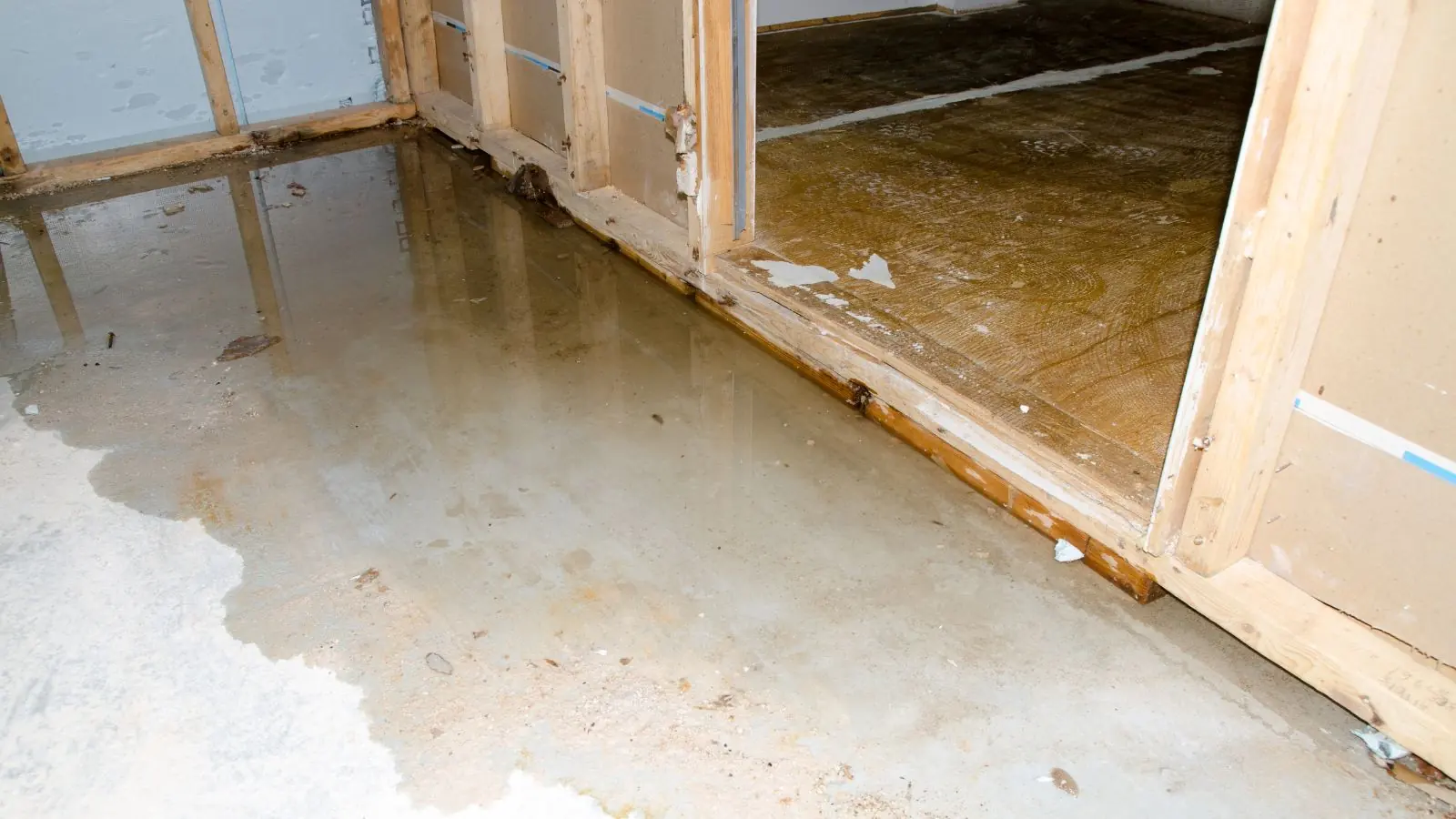
Basement walls sit against soil, stay cool and often see humidity rise in summer. When warm air meets a cold wall, condensation forms, and any dust or paper on the surface becomes food. Add a past leak or a seep along the floor joint, and mold can appear in corners and behind stored items.
Before you scrub anything, find out whether the wall is still wet. Mold cleaned from a wet wall comes back. A moisture meter, a thermal camera or even a plastic sheet taped to the wall overnight can show whether moisture is moving through.
Match the method to the wall surface
| Surface | Typical response | Notes |
|---|---|---|
| Painted poured concrete. | Clean and dry. | Non porous, usually easiest to clean. |
| Concrete block. | Clean and dry, sometimes repeat. | Porous in places, may need extra drying. |
| Drywall on studs. | Cut out affected board. | Paper face feeds growth. |
| Wood framing. | Clean, sand or treat as directed. | Solid wood can often be saved. |
| Paneling. | Remove. | Back side often hides growth. |
| Insulation. | Remove. | Cannot be cleaned. |
If the wall is drywall, the cut line matters. Our wall and drywall repair page explains how far past the damage to cut.
A careful sequence for small areas
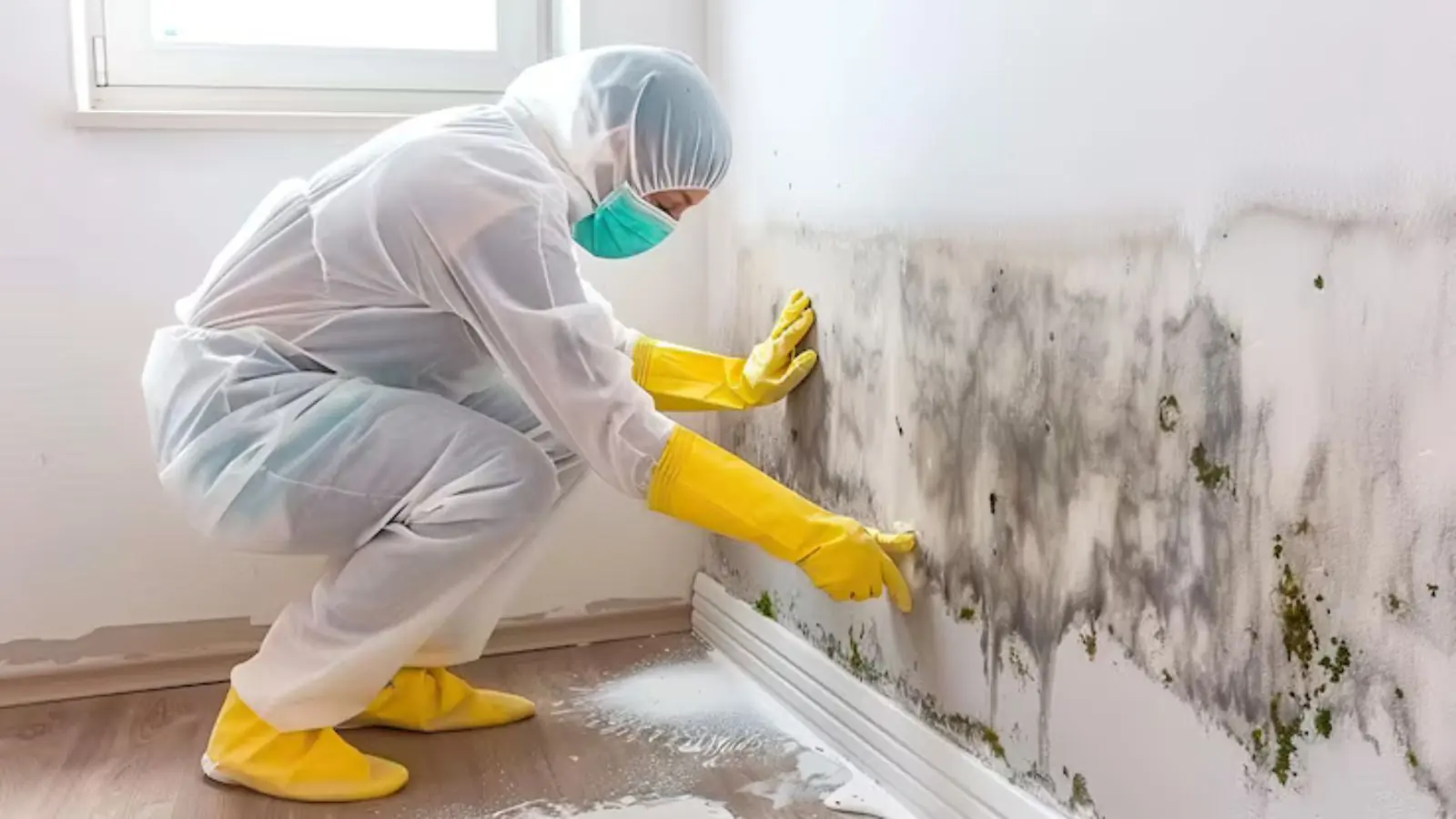
For a very small area of surface growth on a hard, sealed wall, some homeowners clean it themselves. Use a respirator, eye protection and gloves. Avoid dry scrubbing, which throws spores into the air. Damp wipe with a detergent solution, then dry the wall and keep humidity below about 50 percent.
If the patch is larger than a few square feet, if it is on drywall or if it returns after cleaning, stop and call a professional. The reason is not complexity but containment. Disturbing a large area spreads dust through the house.
- Fix the moisture source before cleaning.
- Seal off the work area with plastic and tape.
- Run a dehumidifier and keep air moving out of the work area.
- Bag removed material before carrying it through the house.
- Wipe horizontal surfaces and vacuum with a HEPA vacuum.
What professional remediation adds
A crew sets up containment with negative air, removes porous materials, cleans framing and surfaces with HEPA vacuums and damp wiping, and verifies that moisture has returned to normal. They also advise on repairs. The process follows IICRC S520 as a reference. See our mold remediation page for the full sequence.
Remediation does not replace moisture control. If the basement still seeps after rain, you need drainage, sealing or a sump improvement from the right trades.
In Libertyville: water enters basements from outside as well as inside
The Village of Libertyville maintains a master stormwater plan that lists flood-reduction projects. They include new storm sewer along Rockland Road and a new main line along Glendale Road to the Des Plaines River. The Village has also been evaluating a stormwater utility fee to fund projects and maintenance. These are public projects that affect drainage in specific areas.
If your basement walls stay wet after heavy rain, check with the Village about drainage in your neighborhood. Fixing the problem at the source helps more than any wall cleaning.
Basement problems exist across nearby towns too. Our pages for Lincolnshire and Lake Bluff describe local conditions in each place.
Prevent regrowth after cleanup
- Keep indoor humidity at or below roughly 50 percent with a dehumidifier.
- Extend downspouts away from the foundation.
- Keep window wells clear and covered.
- Check the sump pump and add a battery backup.
- Leave a gap between stored boxes and exterior walls.
- Check weekly for new stains or odor.
Common mistakes when treating basement mold
- Painting over growth with a sealer, which traps moisture and hides the problem.
- Using bleach on drywall or block, which does not reach below the surface.
- Running a fan that blows spores across the house.
- Skipping the moisture fix and cleaning only the surface.
- Closing a stud bay before it has dried.
Each of these makes the problem return. Cleaning is the last step in the process, not the first.
Finding the moisture source behind a basement wall
Basement moisture usually comes from one of four places: groundwater seeping through the wall or floor joint, a plumbing leak, condensation on cold surfaces or humid air from outside. Each has a different test. Seepage shows after rain. Plumbing leaks show on the water meter. Condensation forms on cold pipes and the lower wall. Humid air shows on a hygrometer.
Once you know the source, you can pick the fix. Seepage points to drainage and sealing, a leak points to a plumber, and condensation points to dehumidification and insulation. If the wall has already been wet, our structural drying page shows how we confirm it is dry before closing it up.
Ventilation, gear and cleanup after a small job
If you decide to clean a small patch on a hard surface, treat the work seriously. Wear an N95 or better respirator, goggles that seal and disposable gloves. Wear clothing you can wash right away or throw out. Open a window or run a fan that exhausts outdoors, and keep the air flowing out of the work area, not into the house.
When you finish, bag rags and sponges before you leave the area. Wipe surfaces with a clean damp cloth. Run the dehumidifier until the room is under control. If the patch comes back within a few weeks, stop cleaning and look for the moisture behind it. It is a sign that something else is wrong.
Our mold remediation page explains what a professional adds when the problem outgrows a DIY job.
Local questions
Is white powder on my basement wall mold?
Often it is efflorescence, a mineral deposit left when water moves through concrete. It signals moisture. Mold usually looks fuzzy or dark.
Can I paint over mold on a basement wall?
Painting does not fix mold and traps moisture. Remove growth and dry the wall first.
How do I know if the wall is still wet?
Use a moisture meter, or tape a square of plastic to the wall for a day and look for condensation behind it.
Do Libertyville homes need a permit to remove drywall for mold?
Cleanup rarely needs one, but rebuilding walls or changing electrical or plumbing may. Check with the Village building department.
Does a sump pump stop basement mold?
It helps by keeping groundwater down. Humidity, leaks and condensation can still feed mold, so ventilate and dehumidify.