
The short version
- Closing the main and leaving the heat on solves most away-from-home risks.
- Test the sump pump and clear gutters before you leave.
- Leak sensors help only when someone gets the alert and can act.
- Give a neighbor the shutoff location and our emergency number.
- Tell your insurer about long absences in case the policy has vacancy rules.
Why an empty house floods more expensively
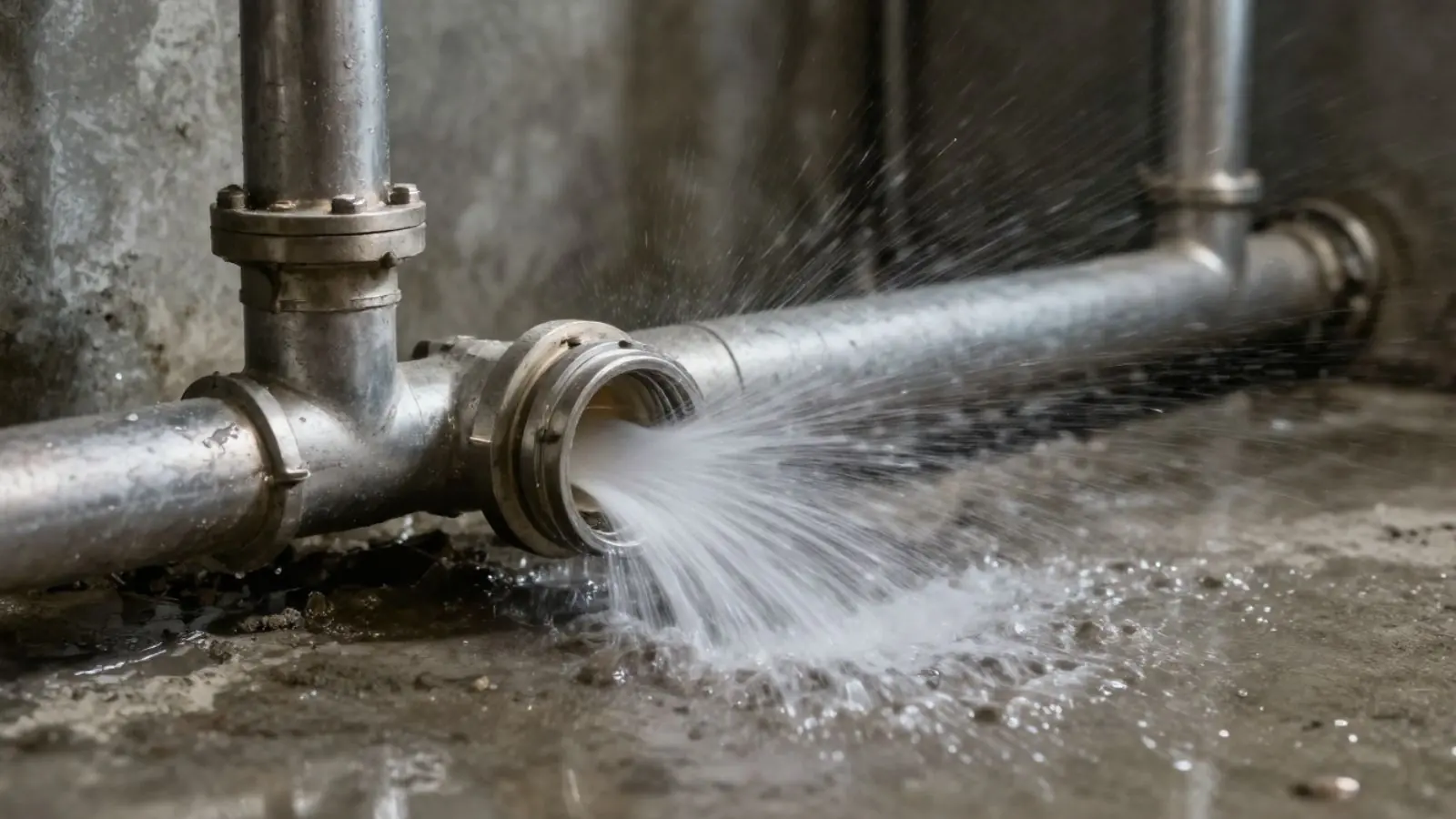
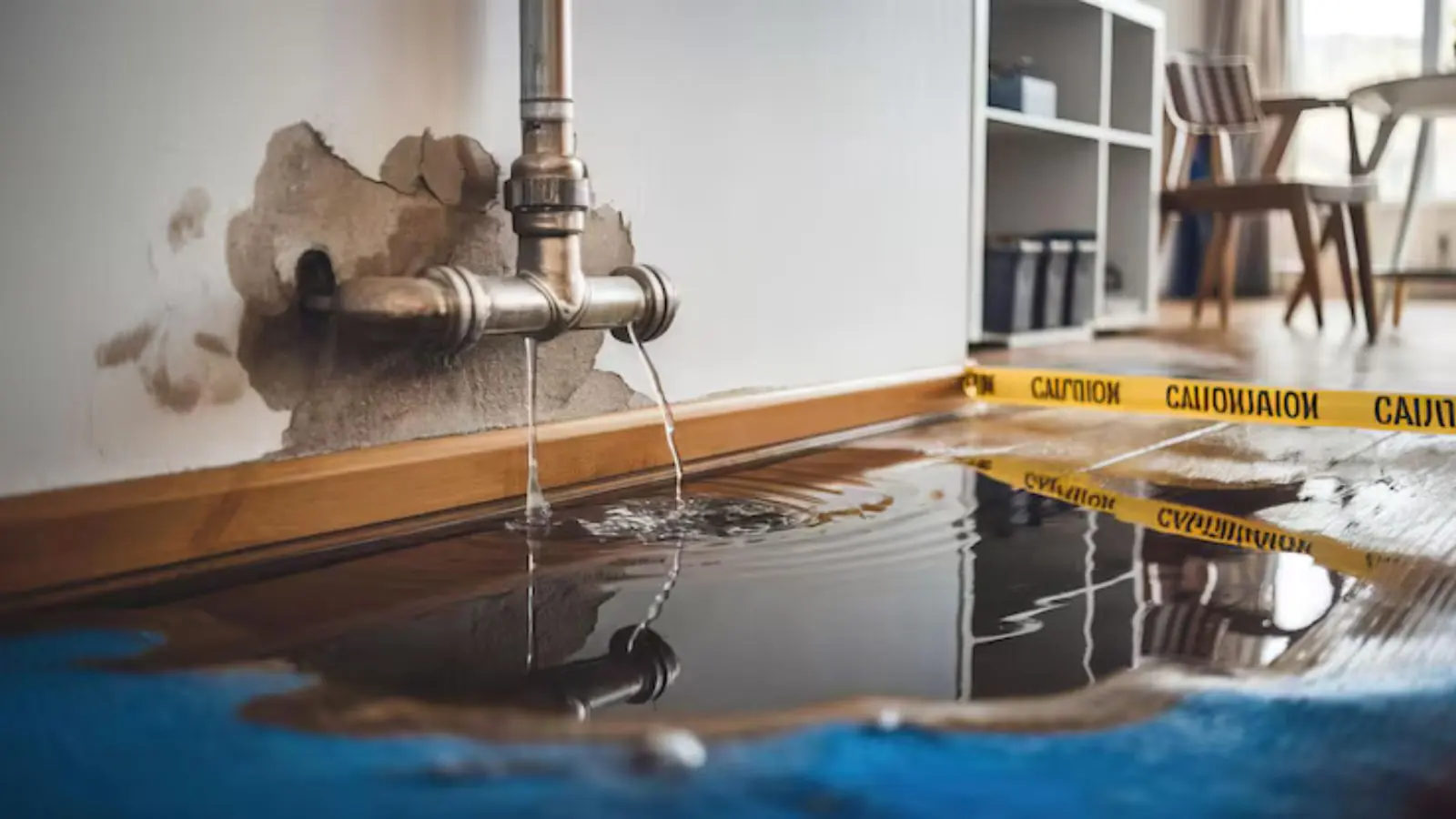
A pipe that fails while you are home costs a mop and a plumber. The same failure in an empty house can run for days, soak multiple floors and rot structure from the inside. The damage grows with time, not with the size of the break. That is the whole argument for prevention when you travel.
Water damage while away usually comes from a short list of sources: supply lines, the water heater, appliance hoses, frozen pipes in winter, sump failures after storms and roof leaks. Each has a simple check. This guide puts them in order.
If you return to a wet house, shut the main, stay clear of wet outlets and call (847) 368-7353. Our burst pipe page explains the first hours.
The pre-trip walkthrough
- Look under every sink, behind the toilet and at the washer hoses for drips or corrosion.
- Check the water heater base and the relief valve line for moisture.
- Test the sump pump by pouring a bucket of water into the pit.
- Clear gutters and extend downspouts away from the foundation.
- Look at the ceilings for stains, especially below bathrooms.
- Make sure window wells are clear and covered.
Take five minutes with a flashlight. Small drips found now are cheap fixes. The same drips found after two weeks away are not.
Shutoffs, sensors and smart devices
| Tool | What it does | Limit |
|---|---|---|
| Main water shutoff by hand. | Stops every supply line at once. | Does not protect a sump or roof leak. |
| Leak sensors. | Alert you when water reaches the floor. | Need Wi-Fi or a hub and batteries. |
| Automatic shutoff valve. | Closes the main when a sensor trips. | Needs professional installation. |
| Braided stainless hoses. | Resist bursts better than rubber. | Still age and need inspection. |
| Sump pump battery backup. | Keeps the pump running in an outage. | Battery life is limited. |
For trips longer than a few days, closing the main and draining the lines is the cheapest option. Leave heat running in winter. See frozen pipe water damage for cold weather risk.
Season by season while you are away
Winter
Keep the thermostat at a safe minimum, open cabinet doors on exterior walls and have someone check the house.
Spring
Snowmelt and rain test sump pumps. Verify power and float movement before you leave.
Summer
Air conditioners produce condensate. Check drain lines and pans before you go. See AC leak water damage.
Fall
Clear leaves from gutters so rain does not back up under shingles.
In Libertyville: your water supply can be interrupted by the agency, not just by you
Libertyville has received Lake Michigan water through the Central Lake County Joint Action Water Agency since May 1992. The Village has posted conservation notices when the agency scheduled repair to its transmission line, and during those shutdowns the Village supplies water from reserve storage and emergency backup wells.
Planned shutoffs and pressure changes can surprise a house with old fittings. When you travel, sign up for Village notices so you hear about planned work, and ask a neighbor to check your home after any supply disruption.
Neighboring towns on the same supply, including Lake Bluff, post their own notices.
Who checks the house while you are gone
A trusted neighbor or house sitter is the best sensor you can buy. Give them clear instructions: where the main shutoff is, where the sump pump power is, and who to call. Include our emergency number in the note so the first call is fast.
- A key or code, and a map to the main shutoff.
- Your insurance agent and policy number.
- A plumber you trust.
- The restoration line, (847) 368-7353.
- A reminder to photograph before moving anything.
Longer absences: snowbird months and extended trips
If the house will sit for weeks or months, the checklist grows. Drain the system or shut the main and open a low faucet. Turn the water heater to vacation mode or off. Empty the refrigerator ice maker line and unplug small appliances. Ask a neighbor or a house sitter to walk through weekly, run water briefly and check ceilings and basement floors.
Keep the thermostat at a safe minimum in cold months. Check that the furnace is working before you go, since a failed furnace in January is one of the most expensive ways to return to a wet house.
Tell your insurer about long absences. Some policies limit coverage for vacancy or require that the home be inspected at set intervals. Read the language, and ask your agent what is required.
What a quick return should look like
When you come home, do a short walkthrough before you unpack. Smell the air, look at ceilings and floors and check under sinks. If you find water, shut the main, photograph the damage and call a crew. A fast response in the first hour usually reduces the final bill more than any other single step. Our water extraction page describes how we handle that first call.
Gutters, grading and the outside of the house
Exterior water gets in through the same path every time. Gutters that overflow dump water at the foundation, and grading that slopes toward the house sends it into window wells and cracks. Before you leave for the season, walk the outside of the house. Check that downspouts discharge several feet from the wall, that soil is higher near the foundation than a few feet away and that window wells are clear.
These jobs are easier on a dry afternoon than on a stormy one, and they cost far less than a flooded basement. If you find a drainage problem that you cannot fix yourself, a landscaper or a waterproofing contractor can help.
Local questions
Should I shut off the main when I leave town for a week?
It is a low cost step that protects against every supply line failure at once. Leave heat on in winter, and make sure the sump pump has power.
Do leak sensors really help?
They can, if you get the alert and someone can act on it. Pair them with a shutoff valve for the best result.
Does the Village of Libertyville notify residents about water outages?
Yes. The Village posts notices and offers a way to subscribe to e-news. Planned supply work from the water agency is announced there.
What if I come home to a wet house?
Shut the water at the main, stay clear of wet outlets and photograph the damage. Then call a restoration crew.
Is a winter vacation riskier than a summer one?
Freeze breaks are the largest winter risk. In summer, appliance and air conditioner leaks are bigger concerns.