
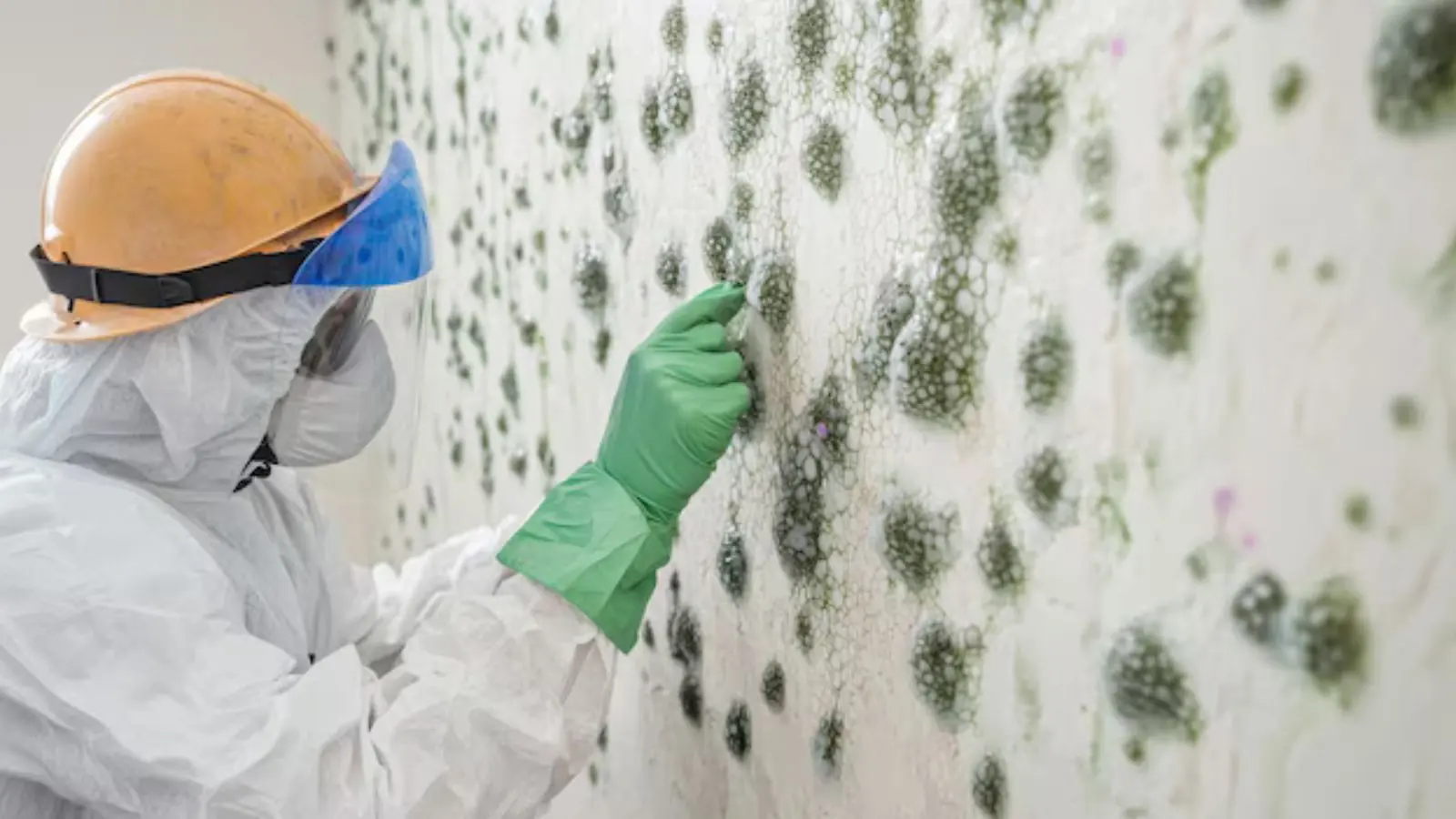
The short version
- Mold coverage usually follows the cause of the water, and many policies cap it.
- Look for the words fungi, wet rot and sublimit on the declarations page.
- Fast drying and a clear timeline make a mold claim stronger.
- Illinois does not yet require mold remediation companies to register with the state.
- Fix the moisture source first, whatever the insurer decides.
Coverage for mold is usually coverage for its cause
Many homeowners assume that mold has its own insurance category. In practice, mold coverage usually depends on the event that caused the moisture. If a covered pipe break wet your walls and mold followed, the policy may pay for some of the remediation. If a slow leak or a long-standing humidity problem caused it, coverage is often excluded.
Some policies exclude mold entirely. Others offer a limited sublimit, which is a cap on what the insurer pays for mold, separate from the main limit. We are not insurance professionals, so confirm the details with your agent. This guide gives you questions to ask.
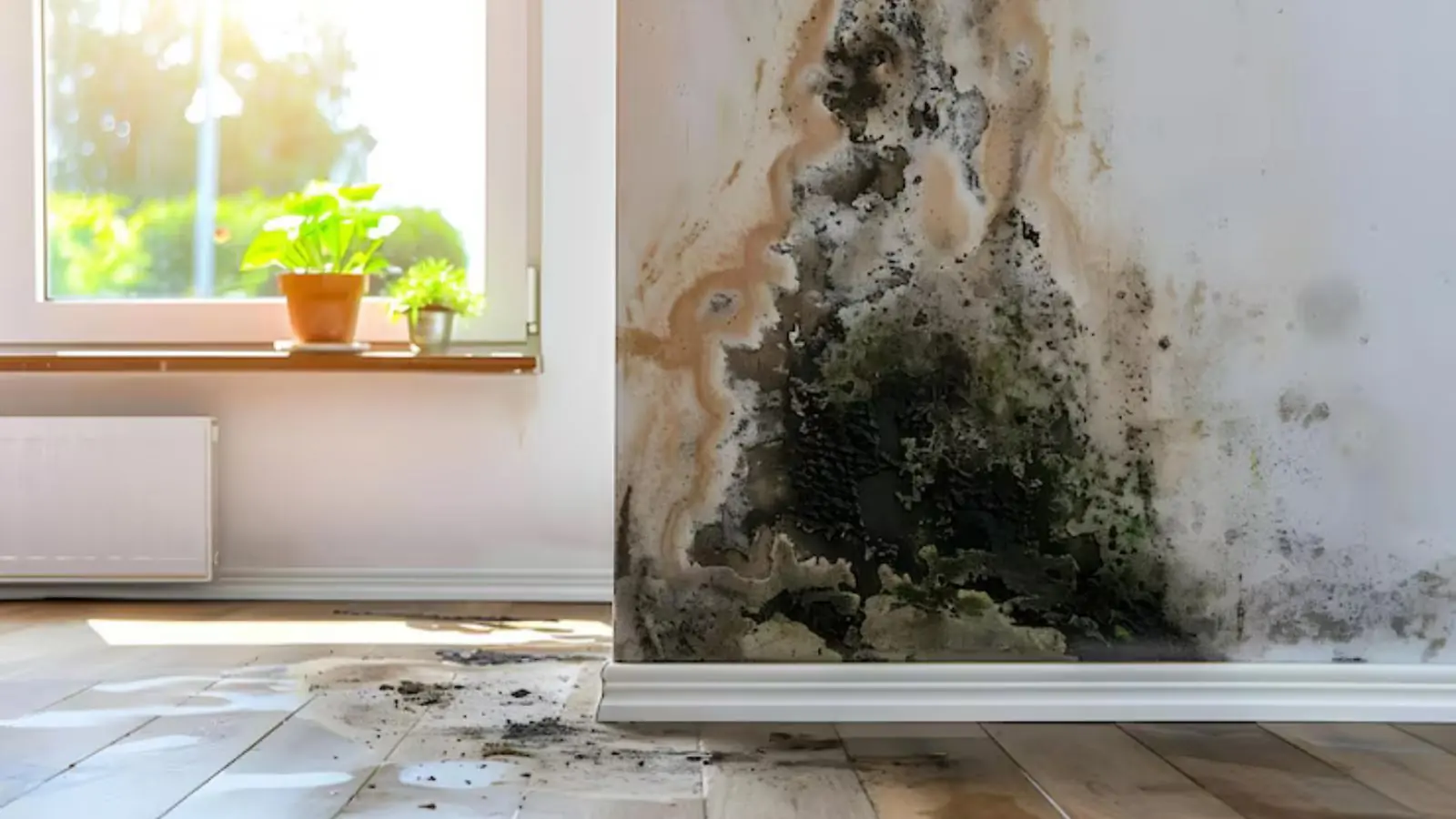
What the policy language often looks like
| Term | What it usually means | Question to ask |
|---|---|---|
| Mold exclusion. | The policy does not pay for mold damage. | Are there exceptions when a covered peril caused it? |
| Fungi or wet rot limit. | A capped amount for mold and rot. | What is the dollar cap and does it include testing? |
| Ensuing loss. | Damage that follows a covered event. | Does mold count as an ensuing loss? |
| Maintenance exclusion. | Gradual damage from lack of upkeep. | How do you decide what was gradual? |
| Endorsement for mold. | Optional added coverage. | Can I add it and what does it cost? |
Why speed affects the claim
Insurers pay attention to how fast the water was dried. If a covered event occurred and the structure was dried promptly, mold is less likely, and a claim is easier to justify. If days or weeks passed before drying, the insurer may argue that the mold resulted from delay.
That is a reason to call a crew right away and keep the drying log. Start with structural drying for how moisture readings are recorded.
Documents that help a mold claim
- Photographs of the original water event and the date of the loss.
- Moisture logs showing drying progress and final readings.
- Photographs of mold growth, taken before cleanup.
- The remediation scope with each material and area listed.
- Third party testing results, if testing was done.
- Invoices for remediation and rebuild.
Ask the adjuster whether the policy requires specific steps such as testing or notice. Request the answer in writing.
In Illinois: state rules on remediation companies
Illinois enacted the Mold Remediation Registration Act, amended by Public Act 103-0893. The Illinois Department of Public Health says that registration requirements will not take effect until it adopts pending rules, and that until adoption, mold remediation professionals are not required to register. The Department published proposed rules in the Illinois Register on October 17, 2025.
That means you cannot rely on a state registry yet to vet a mold company. Ask for scope details, containment methods and references to the standards they follow, and check the IDPH site for updates.
We serve Libertyville and nearby towns including Lake Bluff and Lincolnshire.
What to do if mold is denied
If the insurer denies the mold portion, ask for the reason in writing and the policy section it relies on. Compare it with your photographs and logs. You can ask whether an appeal process exists, and you can talk with the Illinois Department of Insurance or an attorney if you believe the decision was wrong.
In many cases, the practical path is to complete the drying and remediation anyway so the home is safe, and to continue the claim conversation separately.
Reading the declarations page for mold language
The declarations page lists your limits, deductibles and endorsements. Look for words such as fungi, wet rot, dry rot and bacteria. If you see a sublimit, note the dollar amount. If you see an exclusion, look for exceptions that mention a covered water event.
Policies change at renewal, and a new endorsement or exclusion can slip in. Read the renewal documents each year, not just the premium. If a term confuses you, ask the agent to explain in writing.
Paying for mold work when coverage is limited
If coverage is limited or denied, you still have choices. Prioritize fixing the moisture source and removing contaminated materials, since those protect the structure. Ask for a phased scope so you can complete the essential work first. Compare more than one scope, and ask each company to explain the reason for each line.
If the original water event was covered, keep the claim open and submit supplements as new information arrives. Document the link between the water event and the mold with photographs, readings and dates. Our wall and drywall repair page explains how rebuild items are listed after removal.
Build the timeline that links the water and the mold
Insurers want to know the sequence: the water event, the response, the drying and the discovery of mold. Write that timeline in your own words, with dates. Attach the photographs and logs that match each date. If there was a delay, explain it, such as a delayed discovery inside a wall.
A clear timeline is the most persuasive tool in a mold claim, because it answers the question the insurer is already asking. If the story has gaps, say so honestly. A credible account with gaps is better than a polished one that falls apart.
Mold and the sale of a home
If you plan to sell, mold history can come up. Illinois sellers generally disclose known material defects, and a past water event is something a buyer will ask about. Keep the remediation scope, the clearance documents and the repair invoices together. A buyer who sees proof that the problem was fixed properly is less likely to walk away.
We are not lawyers, so talk to your real estate agent or attorney about disclosure rules. From our side, we provide the records. For the rebuild, see our wall and drywall repair page.
Local questions
Is mold covered if a burst pipe caused it?
Often some coverage applies, subject to sublimits and exclusions. Prompt drying helps support the claim.
Is mold covered after a basement seep?
Less likely. Seepage and groundwater are commonly excluded unless you have an endorsement.
Does Illinois require mold testing for a claim?
Not as a general rule. Your policy may ask for documentation, and testing is sometimes used for clearance after remediation.
Can I add mold coverage to my policy?
Sometimes. Ask your agent about endorsements and caps.
Should I wait for the adjuster before cleaning mold?
Photograph first, then protect the home. Waiting for weeks lets the problem grow. Ask the adjuster for timing guidance.