
The short version
- Small clean spills on hard floors are a fair DIY job, and the rest usually are not.
- Water hides in pad, subfloors and wall bottoms, so surface dryness is not proof.
- A dehumidifier and a moisture reading matter more than the number of fans.
- Gray water, sewage and flood water are never a DIY drying job.
- If the room still smells musty after two days, get a moisture check.
When doing it yourself makes sense
You can dry a small, clean water spill yourself. If a glass of water hit a hard floor, or a sink overflowed for a minute onto tile, a towel and a fan will do. The same is true for a small amount of clean water on a short pile carpet that you catch within an hour.
The limit is not effort but what you cannot see. Water moves into pad, subfloors, baseboards and wall bottoms. If you cannot be sure where it went, you cannot be sure it is gone. That is when measurement and equipment pay for themselves.
A quick decision guide
| Situation | Likely fit | Why |
|---|---|---|
| One cup on hard flooring. | DIY. | No absorption into layers. |
| Small clean spill on carpet, caught fast. | DIY with care. | Extract, fan and watch for odor. |
| Clean leak lasting more than an hour. | Professional. | Water reaches pad and subfloor. |
| Water in walls or ceiling. | Professional. | Cavities need directed drying. |
| Gray water from an appliance. | Professional. | Contamination risk. |
| Sewage or flood water. | Professional. | Health and disposal concerns. |
| Hardwood that is cupping. | Professional. | Rapid or wrong drying cracks boards. |
Not sure which row fits? Call (847) 368-7353 and describe the water. We say so honestly if it is a DIY job.
What DIY drying needs to work
- A way to remove bulk water, such as a wet vacuum or towels.
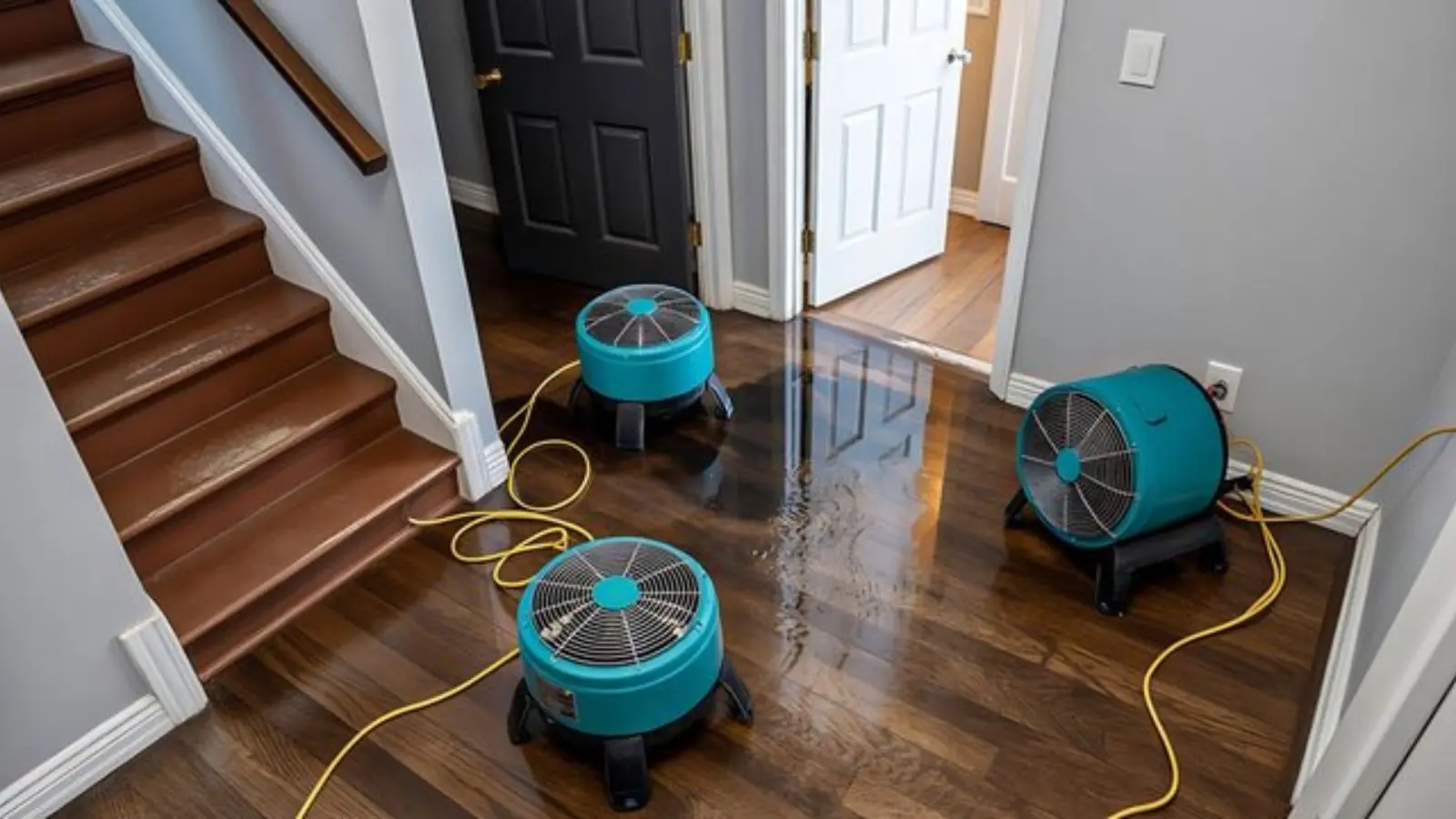
- Airflow across the surface, from box fans or air movers.
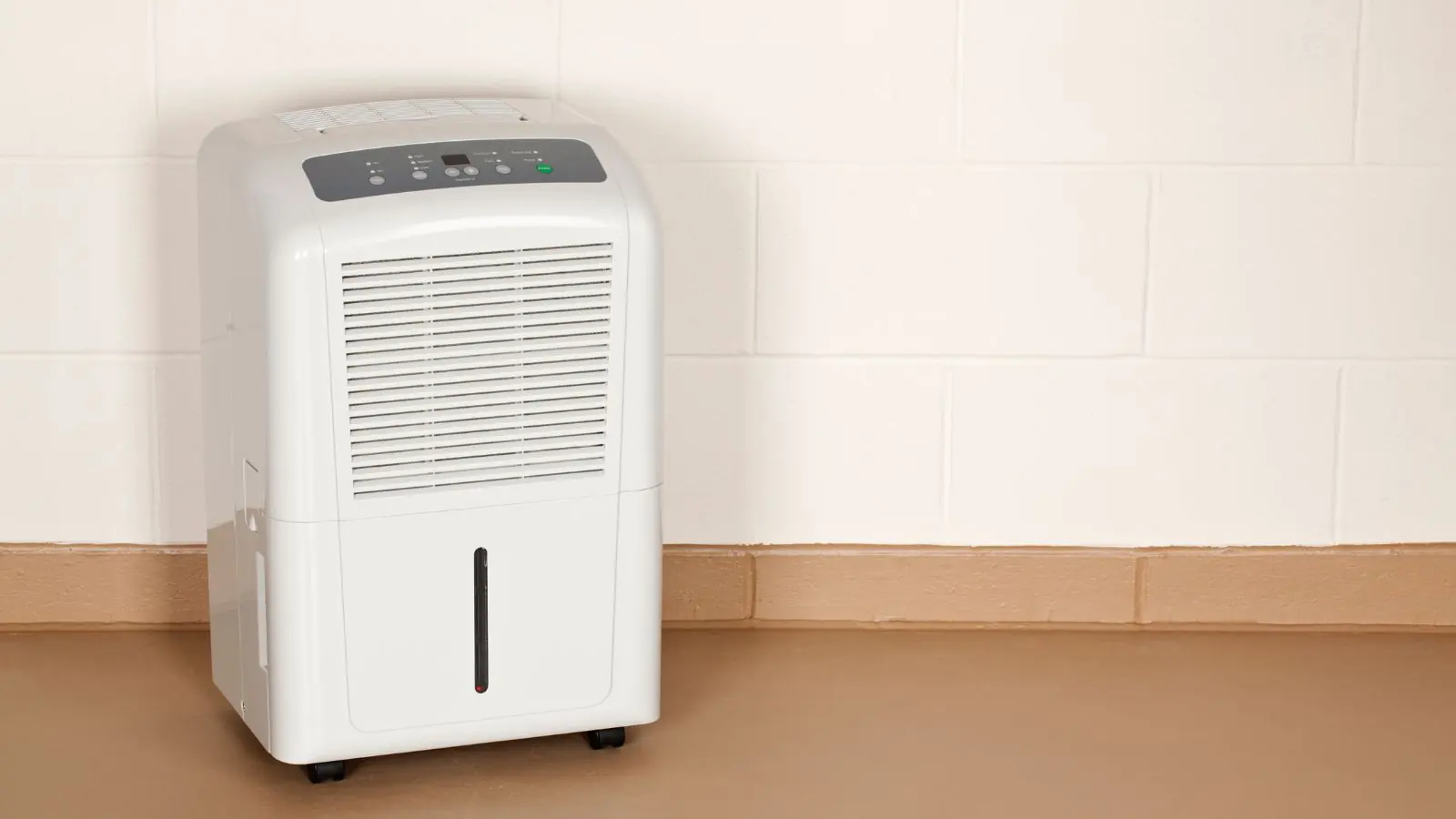
- A dehumidifier large enough for the room.
- A hygrometer to track humidity.
- Patience, since drying takes days, not hours.
- A moisture meter if you want to confirm results.
Household fans alone can raise humidity and push moisture into other rooms. A dehumidifier is part of the system, not an optional extra. A closed room with a dehumidifier and a fan dries faster than an open one with windows cracked on a humid day.
What professionals add
Measurement
Moisture meters and thermal cameras show where water is, including places you cannot see.
Capacity
LGR dehumidifiers and axial air movers move far more air and pull more water than home units.
Targeted drying
Wall cavity systems and floor mats dry layers that fans never touch.
Documentation
Daily logs prove the structure reached a dry standard and support your claim.
See our water extraction page for the first step of a professional job.
Hidden costs of drying badly
The common DIY mistakes are stopping too soon, trusting the surface and ignoring the pad. A carpet that feels dry on top can hold a gallon of water below. Drywall that looks fine can wick moisture up a foot. When materials stay damp for days, mold and odor follow, and the repair gets bigger.
Compare the cost of a few days of rental equipment with the cost of removing and rebuilding a moldy wall. For small losses, the DIY route can win. For anything in walls, subfloors or contaminated water, the professional route is often cheaper in the end.
In Libertyville: why contaminated water changes the answer
The Village of Libertyville Sewer Division maintains the sanitary sewer system, including lift stations and the scheduled cleaning of manholes and mains. When a main surcharges, water can back up through lower-level drains in homes connected to it.
Water that comes from a drain or from the river corridor is not a DIY job. The National Weather Service recorded record crests on the Des Plaines River in April 2013 and July 2017, and flood water mixes runoff and sewage. See sewage backup cleanup and flood damage cleanup.
The same advice holds in Lincolnshire and Lake Bluff.
A realistic DIY drying routine for a small clean spill
Remove the water
Use towels or a wet vacuum to take up as much water as you can.
Lift what you can
Raise furniture legs off carpet and pull baseboard shoe molding if the carpet is wet at the edge.
Set airflow
Aim one or two fans across the surface and keep the room closed.
Add a dehumidifier
Run it in the same room and empty it often.
Check daily
Feel the carpet and baseboards, smell for odor and watch the humidity reading.
If the carpet still feels cold or damp after two days, or if you smell mustiness, stop and get a moisture check. Drywall and subfloors may be holding water that fans cannot reach.
Safety points that apply to every DIY job
Never run electrical equipment while standing in water. Use a ground fault circuit interrupter outlet or a properly rated extension cord, and keep cords out of puddles. Wear gloves if there is any chance of contamination. Do not mix cleaning chemicals, since combinations such as bleach and ammonia release dangerous gases.
Know your limits. If the job grows, a professional can step in. The earlier you call, the more the crew can save. For active leaks, see our burst pipe page for the safe first steps.
How to tell whether DIY drying actually worked
Feel is not enough. Surfaces dry first, and the layers beneath lag. A moisture meter gives you a number to compare with an unaffected area of the same material. If the carpet reads like the dry carpet in the next room and the baseboard reads like a dry baseboard, you are close.
Without a meter, use the nose and the weather. If you smell mustiness, keep drying. If the humidity in the room is higher than the rest of the house, keep drying. If a patch of drywall feels cooler than its neighbors, it may still hold water. A cheap hygrometer and a patient week often tell the story. If doubt remains, call us for a moisture check at (847) 368-7353.
Local questions
How long should I run fans after a small leak?
Run them until the area feels dry and a moisture meter agrees. Many small jobs need two or three days. Odor means it is not done.
Can I rent equipment in the Libertyville area?
Yes, many rental shops carry dehumidifiers and air movers. Ask for guidance on how many units your space needs.
Will a household dehumidifier dry my basement after a flood?
It helps but is usually too small. A flooded basement needs more capacity and airflow than a household unit provides.
Is it OK to dry a ceiling myself?
If it is bulging or stained, no. Wet drywall and insulation can fail, and cavities need directed airflow.
Can DIY drying hurt my insurance claim?
It can if you skip documentation or leave damage to grow. Photograph first, keep receipts and consider a professional log.